In the high-stakes world of modern manufacturing, particularly within the automotive, aerospace, and energy sectors, the integrity of every weld is paramount. Traditional inspection methods, often reliant on post-process evaluation or manual sampling, are increasingly inadequate for today's demands of zero-defect production and real-time quality assurance. This is where Laser Weld Monitoring (LWM) sensors have emerged as a transformative technology, providing unparalleled insight into the welding process as it happens.
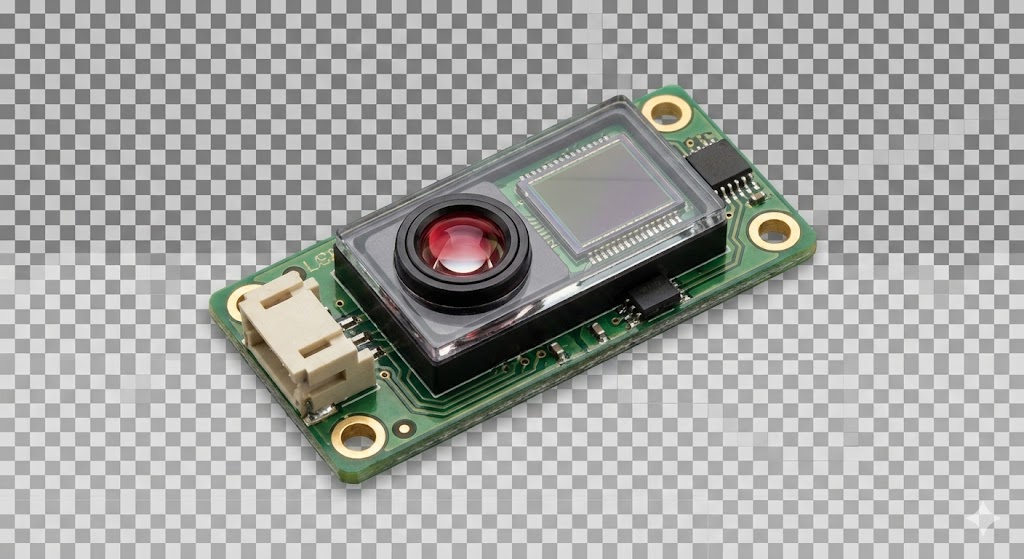
At its core, a laser weld monitor is a sophisticated optical sensor system. It typically employs a laser source, such as a low-power laser diode, to project a structured line or pattern of light onto the weld seam ahead of, or directly onto, the welding point. A high-speed camera or photodiode array then captures the reflection of this laser light from the workpiece surface. By analyzing the deformation, scattering, or intensity changes of this reflected laser line in real-time, the system can deduce critical parameters about the weld joint and the process itself.
The primary function of these sensors is defect detection and process control. They excel at identifying issues such as gaps in the joint fit-up, misalignment of parts, variations in weld penetration, and the presence of contaminants like oil or rust before the welding arc even strikes. By detecting these anomalies upstream, the system can alert operators or even command the welding robot to adjust parameters like power, speed, or trajectory on-the-fly, preventing a bad weld from occurring. During the weld, the sensor monitors the dynamic behavior of the molten weld pool and the keyhole in processes like laser welding, tracking stability and detecting instabilities that could lead to porosity, spatter, or undercut.
The advantages of implementing laser weld monitoring are substantial. First and foremost is the shift from reactive to proactive quality control. Instead of scrapping entire batches after costly non-destructive testing, manufacturers can correct issues in real-time, drastically reducing waste and rework. This leads to significant cost savings and improved overall equipment effectiveness (OEE). Secondly, it enables comprehensive data collection and traceability. Every weld can be logged with a complete dataset of monitored parameters, creating a digital twin for each joint. This is invaluable for audit trails, process optimization, and predictive maintenance strategies. Furthermore, these systems enhance automation robustness, allowing robotic welding cells to handle greater part variability without human intervention.
Modern LWM systems are integrated with powerful software algorithms, including machine learning. These algorithms can be trained to recognize complex patterns associated with specific defect types, moving beyond simple threshold alarms to intelligent classification. Integration with factory-wide Manufacturing Execution Systems (MES) or the Industrial Internet of Things (IIoT) platforms is also becoming standard, allowing weld quality data to flow seamlessly into broader production analytics.
When selecting a laser weld monitoring sensor, engineers must consider several key specifications. The choice of laser wavelength (often red or blue) is critical for optimal performance on different materials; blue lasers, for instance, offer better performance on hot, glowing metals. The sensor's field of view, resolution, and sampling rate must match the welding speed and required detail. Robustness is non-negotiable—the sensor and its optics must withstand extreme environments filled with spatter, smoke, and intense arc glare, often requiring integrated air-knife or protective window cleaning systems.
Looking ahead, the evolution of laser weld monitoring is geared towards greater intelligence and miniaturization. The integration of multi-sensor data fusion, combining laser triangulation with spectroscopic analysis or thermal imaging, promises a more holistic view of the weld process. As algorithms grow smarter, the goal of fully autonomous self-correcting welding systems moves closer to reality.
In conclusion, laser weld monitoring sensors are no longer a luxury but a necessity for any manufacturer striving for excellence in welded product quality, operational efficiency, and competitive advantage. By shedding light—literally—on the once-opaque welding process, they provide the clarity and control needed to manufacture with confidence in an increasingly demanding industrial landscape.