Cylindrical proximity sensors are a cornerstone of modern industrial automation, offering reliable, non-contact detection of metallic and, in some cases, non-metallic objects. Their robust, tubular design makes them exceptionally suited for harsh environments where durability and precision are paramount. This article delves into their operational principles, key types, selection criteria, and typical applications.
At their core, cylindrical proximity sensors function by emitting an electromagnetic field or a beam of light and detecting changes in that field or the return signal. The most common types are inductive and capacitive sensors. Inductive proximity sensors are the workhorses for metal detection. They contain a coil at the tip, energized by an oscillator to generate a high-frequency electromagnetic field. When a conductive metal object enters this field, eddy currents are induced on the object's surface. This causes a load on the oscillator, which is detected by a threshold circuit, subsequently triggering a solid-state switch to change the output state. These sensors are ideal for detecting ferrous metals like steel and iron, with some models tuned for non-ferrous metals like aluminum or copper.
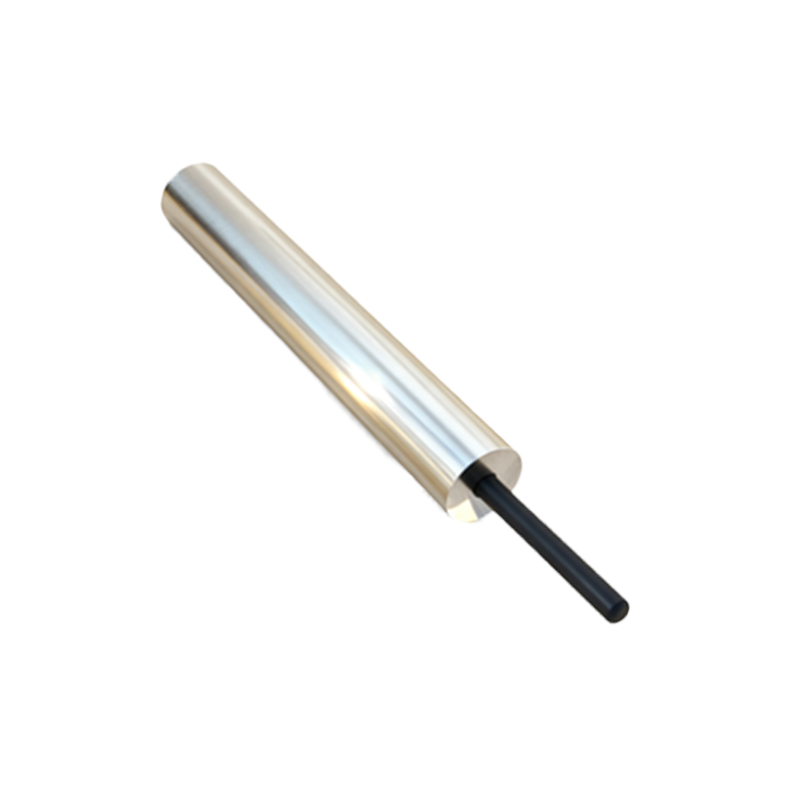
Capacitive proximity sensors, on the other hand, can detect both metallic and non-metallic materials, including liquids, plastics, glass, and wood. They function by generating an electrostatic field. Any object that enters this field alters the capacitance of the sensor's circuit, triggering the output. This versatility makes them perfect for applications like level detection in tanks or detecting filled packages on a conveyor.
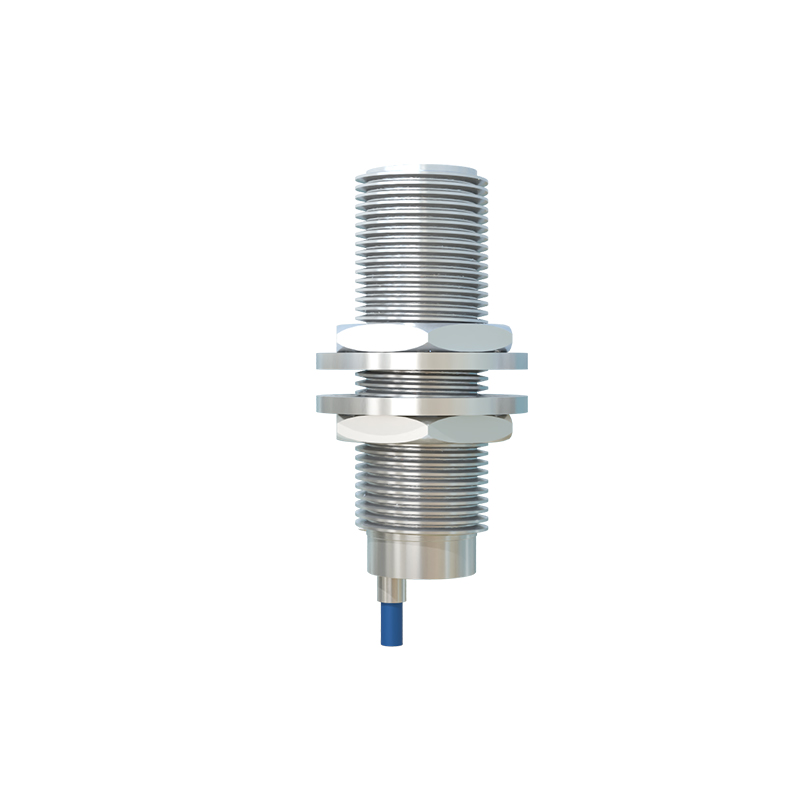
The cylindrical housing, typically made of nickel-plated brass, stainless steel, or rugged plastics like PBT, provides excellent mechanical strength, environmental sealing (often IP67 or higher), and ease of installation. They are commonly threaded (e.g., M8, M12, M18, M30) for easy mounting into standard drill holes or mounting brackets. Key specifications to consider include sensing distance, which is typically a fraction of the sensor's diameter and is rated for a standard target; repeat accuracy; response frequency (how quickly it can detect objects passing by); output type (PNP/NPN, NO/NC); and supply voltage (commonly 10-30V DC).
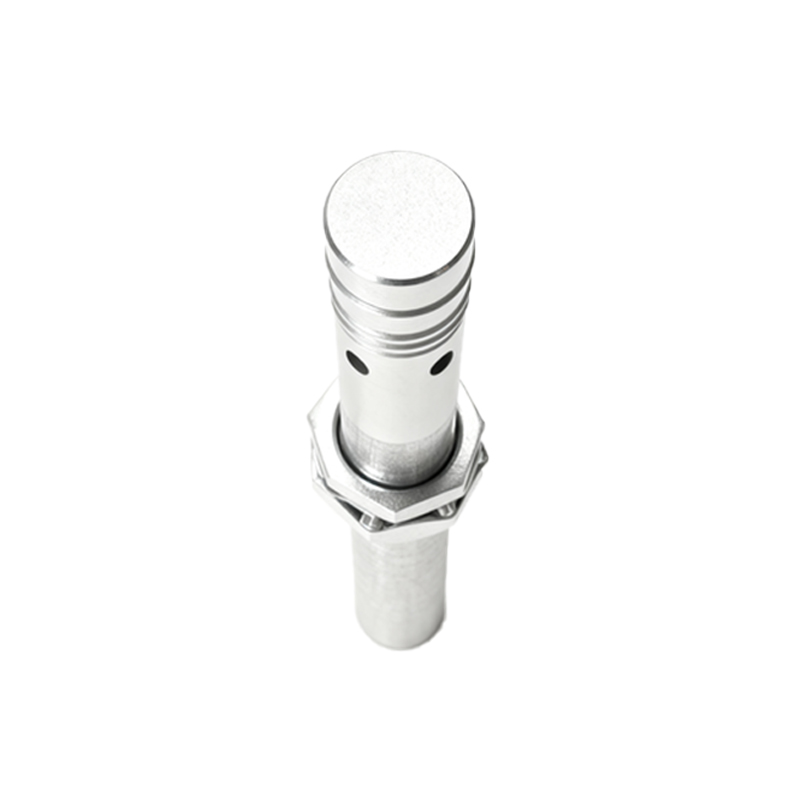
Selecting the right cylindrical proximity sensor requires careful analysis of the application. For detecting metal parts in a machining center, an inductive sensor is the default choice. Consider the target material (steel, aluminum, brass), the required sensing distance, and the environmental conditions (presence of coolants, metal chips, or washdowns). For packaging lines where cardboard boxes or plastic bottles must be sensed, a capacitive sensor is necessary. In high-speed assembly, a sensor with a very high switching frequency is critical.
The applications are vast and integral to automated systems. They are ubiquitously used for position verification (is a part in place?), end-of-travel detection on cylinders, counting objects on a conveyor, monitoring rotational speed via a gear tooth, and as safety interlocks in guarding systems. Their non-contact nature eliminates mechanical wear, ensuring long service life and maintenance-free operation. In robotic cells, they provide precise feedback for part presence at grippers or tool changers.
In conclusion, cylindrical proximity sensors are indispensable components for enabling efficient, safe, and reliable automation. Their robust construction, diverse sensing technologies, and straightforward integration make them a fundamental solution for object detection across countless industries, from automotive manufacturing and food processing to material handling and beyond. Understanding their principles and specifications is key to leveraging their full potential in any control system.