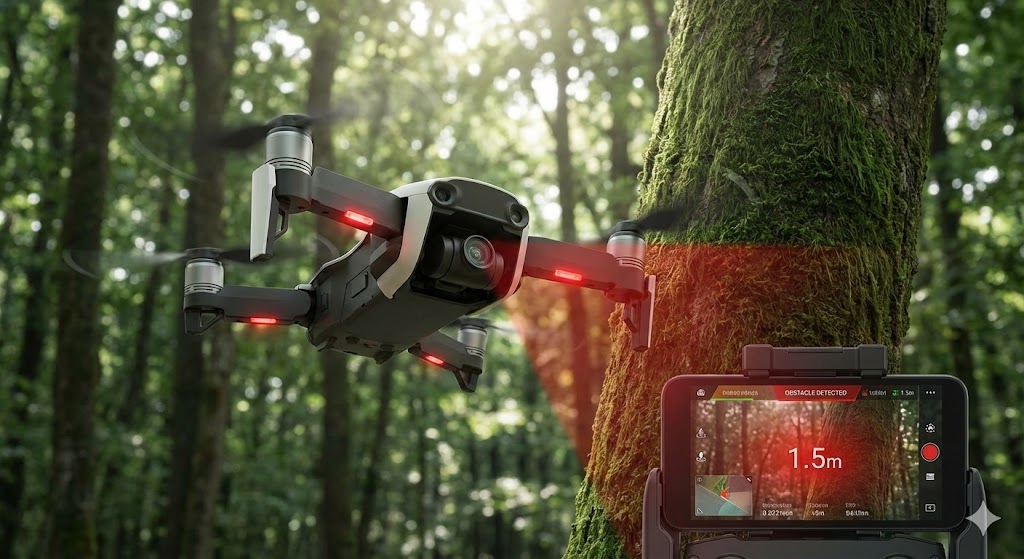
Area laser sensors represent a significant advancement in industrial sensing technology, offering precise, non-contact measurement and detection capabilities across a defined two-dimensional field. Unlike point or line sensors, area laser sensors project a structured laser pattern—often a grid, dot matrix, or fan-shaped plane—onto a target surface. The core principle involves analyzing the deformation, displacement, or absence of this projected pattern to extract critical spatial information.
The fundamental operation relies on triangulation. A laser diode emits the structured light pattern towards the target area. The reflected or scattered light from the surface is then captured by a high-resolution CMOS or CCD image sensor positioned at a known angle relative to the laser source. When the target object's distance, height, or contour changes, the position of the laser pattern on the image sensor shifts correspondingly. Sophisticated onboard processors use calibrated geometric models to calculate these shifts, translating pixel data into accurate 3D coordinates or profile data for every point in the sensed area.
Key components enabling this functionality include the laser projector, which must maintain consistent pattern stability and intensity; the imaging optics and sensor, which require high sensitivity and minimal distortion; and the processing unit, which executes complex algorithms for pattern decoding, noise filtering, and coordinate transformation. Common algorithms include phase-shift analysis for structured light or time-of-flight (ToF) principles in some advanced models, where the time delay of the reflected laser pulse is measured for each point in the area.
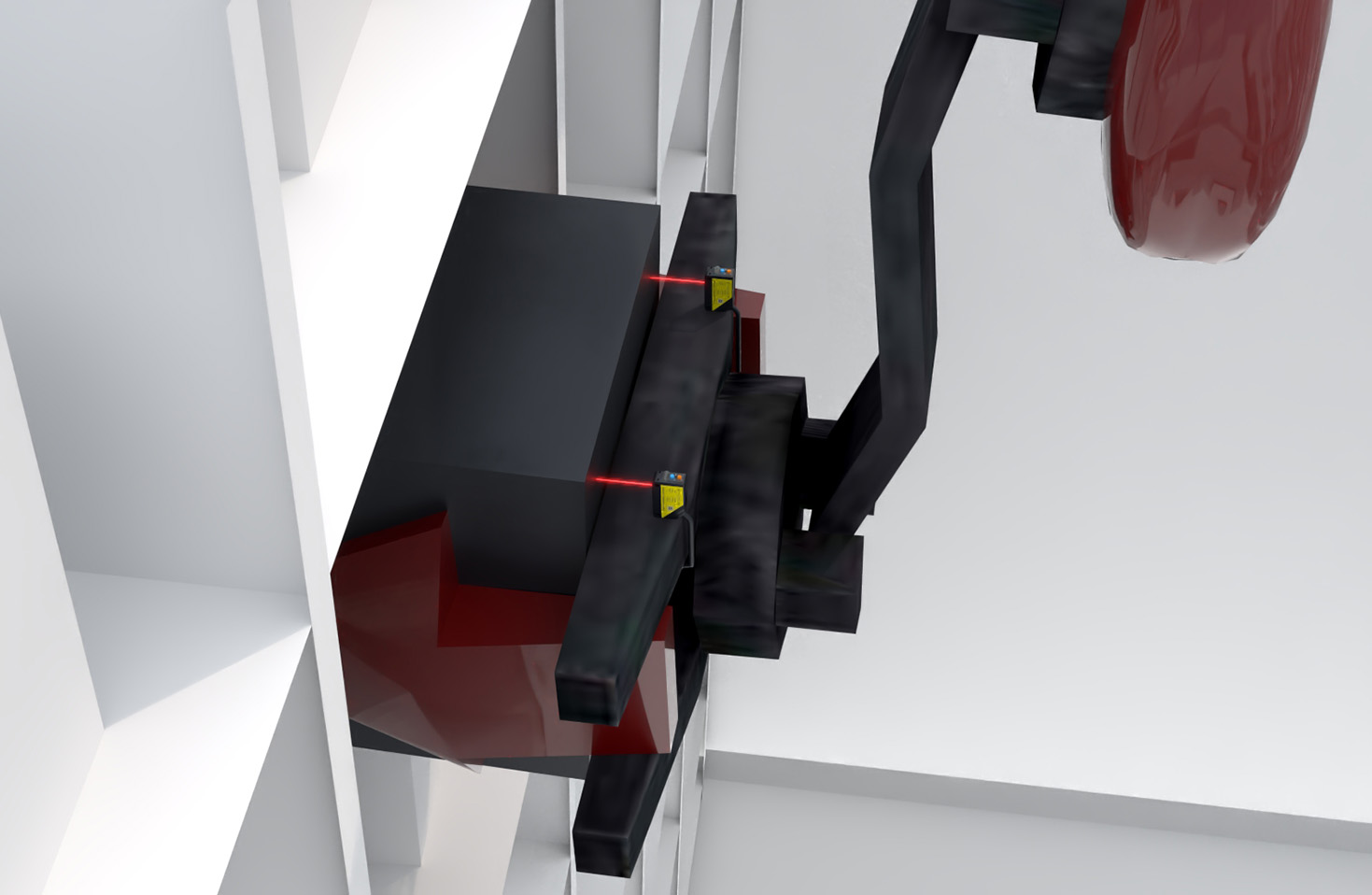
In practical industrial applications, area laser sensors excel in tasks requiring volumetric measurement, presence verification over large zones, and contour profiling. For instance, in logistics, they measure the dimensions of irregular parcels on conveyor belts for automated sorting and packaging. In automotive assembly, they verify the correct seating and gap dimensions of installed components like doors or windshields across their entire perimeter. Robotic guidance systems use them to generate a 3D map of bin-picking environments, allowing robots to identify and grasp randomly oriented parts.
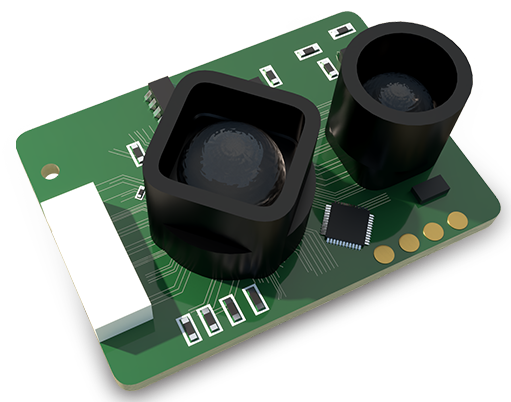
The advantages are manifold. They provide high-speed, high-resolution data capture without physical contact, eliminating wear and risk of damage to sensitive surfaces. Their ability to capture an entire area in a single scan drastically reduces inspection time compared to scanning with line sensors. However, challenges persist. Environmental factors like ambient light interference, highly reflective or absorptive surfaces, and occlusions can affect accuracy. Therefore, proper selection involves considering parameters such as working distance, field of view (FOV), resolution, scan rate, and the sensor's robustness to environmental conditions. Integration often requires careful calibration and alignment to a world coordinate system.
Future trends point towards miniaturization, increased processing speed, and enhanced multi-sensor fusion. The integration of AI for real-time pattern recognition and anomaly detection directly at the edge is accelerating, enabling more autonomous and intelligent inspection systems. As Industry 4.0 evolves, area laser sensors are becoming pivotal in creating detailed digital twins of physical processes, providing the essential data layer for predictive maintenance and adaptive manufacturing. Their role in ensuring quality, efficiency, and flexibility in automated production lines continues to expand, solidifying their status as a cornerstone of modern industrial sensing.