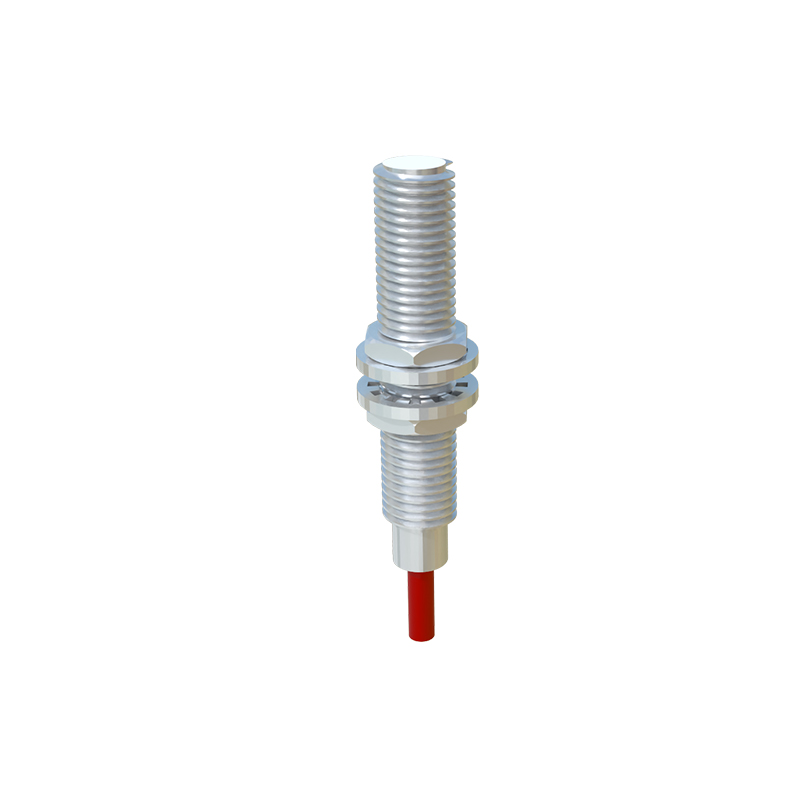
Magnetic proximity sensors are essential components in modern automation and control systems. These devices detect the presence or absence of a magnetic field, typically generated by a permanent magnet, without any physical contact. The fundamental principle behind their operation is relatively straightforward, yet their implementation and applications are diverse and sophisticated.
At its core, a magnetic proximity sensor reacts to changes in a magnetic field. The most common type utilizes a reed switch—a pair of ferromagnetic, flexible metal reeds sealed within a glass tube filled with inert gas. When a magnet approaches, the reeds become magnetized and attract each other, making contact and closing an electrical circuit. When the magnet moves away, the reeds' spring force separates them, breaking the circuit. This simple on/off signal forms the basis for detection. More advanced versions employ solid-state Hall-effect sensors. These semiconductor devices generate a voltage (the Hall voltage) when placed in a magnetic field and exposed to an electric current. This voltage change is then processed by integrated electronics to provide a precise digital or analog output signal, indicating not just presence but sometimes also the strength or distance of the magnetic field.
The choice between reed switch and Hall-effect sensors depends on the application requirements. Reed switches are prized for their simplicity, low cost, and ability to switch relatively high loads with minimal power consumption. However, they can be susceptible to mechanical wear over billions of cycles and may be slower in response compared to solid-state options. Hall-effect sensors, being solid-state, offer exceptional reliability, incredibly fast switching speeds, immunity to contact bounce, and the ability to operate in harsh environments with dust, moisture, or vibrations. They can also be designed to be sensitive to specific magnetic polarities.
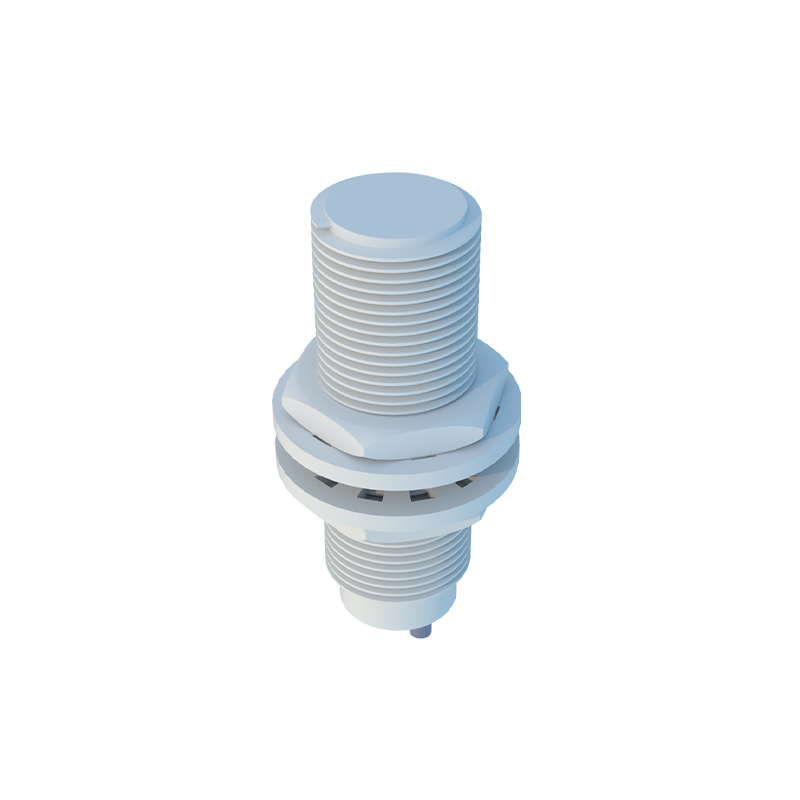
The advantages of magnetic proximity sensors are numerous. Their non-contact nature means there is no mechanical wear on the sensor itself from the target, leading to exceptionally long service life. They are highly reliable for position detection, as they are unaffected by target surface conditions like color, transparency, or material (as long as it is non-magnetic). They perform flawlessly in dirty or wet conditions where optical sensors might fail, making them ideal for industrial settings. Furthermore, they consume very little power, a critical factor in battery-operated devices.
These characteristics make magnetic proximity sensors indispensable across a wide range of industries. In automotive systems, they are ubiquitous, detecting seat belt engagement, gearbox position, wheel speed for anti-lock braking systems (ABS), and the position of doors, hoods, and trunks. In factory automation, they are used for end-of-travel detection on linear actuators, verifying the position of robotic arms, and counting metallic parts on conveyor belts. Consumer electronics utilize tiny magnetic sensors for lid-open detection in laptops and flip phones, as well as in joysticks and control knobs. In the realm of security, they form the backbone of door and window contact sensors in alarm systems. More specialized applications include medical devices, vending machines, and even white goods like washing machines to detect drum position.
When selecting a magnetic proximity sensor, several key parameters must be considered. The sensing distance, or the maximum range at which the sensor can reliably detect the magnet, is paramount. The type of output required—discrete (PNP/NPN) or analog—must match the control system. Environmental factors like operating temperature range, ingress protection (IP) rating for dust and water resistance, and resistance to shock and vibration are critical for durability. Electrical characteristics such as supply voltage, current consumption, and output current capacity also guide the selection process.
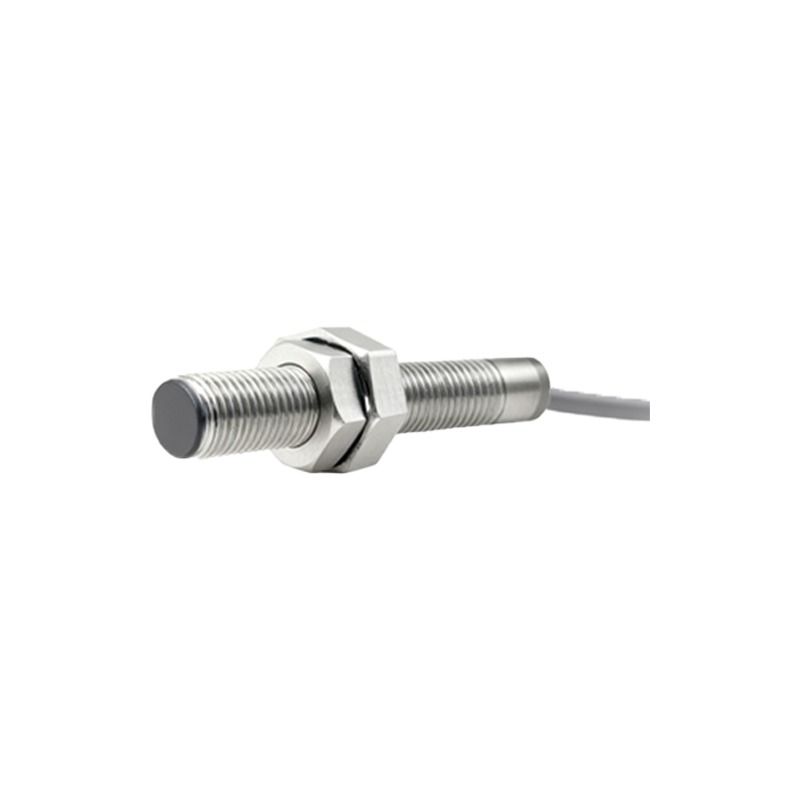
Installation and setup are generally simple. The sensor is mounted in a fixed position, and a magnet is attached to the moving target. The alignment between the sensor and the magnet is crucial for consistent operation; the sensor must be within the specified sensing distance and often requires a specific orientation relative to the magnet's poles. Proper shielding may be necessary if stray magnetic fields from other equipment are present.
In summary, magnetic proximity sensors offer a robust, reliable, and versatile solution for non-contact detection. From the simple reed switch to the sophisticated Hall-effect IC, they translate the invisible force of magnetism into a clear electrical signal that drives decision-making in countless machines and systems. Their ability to operate in challenging conditions ensures they will remain a fundamental technology in industrial control, automotive engineering, and smart device design for the foreseeable future, providing silent, efficient, and dependable sensing where physical contact is neither desired nor possible.