In the realm of industrial automation, precision measurement is not merely a convenience—it is an absolute necessity. The Laser Sensor HG series represents a significant leap forward in this domain, offering unparalleled accuracy, reliability, and versatility for a wide range of applications. These sensors utilize advanced laser triangulation or time-of-flight principles to deliver non-contact measurement, a critical feature for inspecting delicate surfaces, monitoring fast-moving objects, or operating in harsh environments where physical contact could cause damage or contamination.
The core technology behind the HG series involves emitting a focused laser beam onto a target surface. The reflected light is then captured by a high-resolution receiver within the sensor. Sophisticated onboard processors analyze the displacement or the time delay of the reflected beam to calculate precise distance, height, thickness, or presence data. This process occurs in microseconds, enabling real-time feedback for closed-loop control systems. One of the standout features of the HG series is its exceptional resolution, often down to the micrometer level, making it ideal for quality control tasks such as verifying component dimensions, detecting warp or bend in materials, and ensuring precise positioning in assembly lines.

Durability is engineered into every HG sensor. Housed in robust, often IP67-rated enclosures, they are designed to withstand industrial challenges including dust, moisture, oil mist, and mechanical vibrations. This rugged construction ensures consistent performance in demanding settings like automotive manufacturing, semiconductor fabrication, metal processing, and packaging machinery. Furthermore, many models in the series offer intuitive configuration via software interfaces or teach-in buttons, simplifying integration and reducing setup time for engineers and technicians.
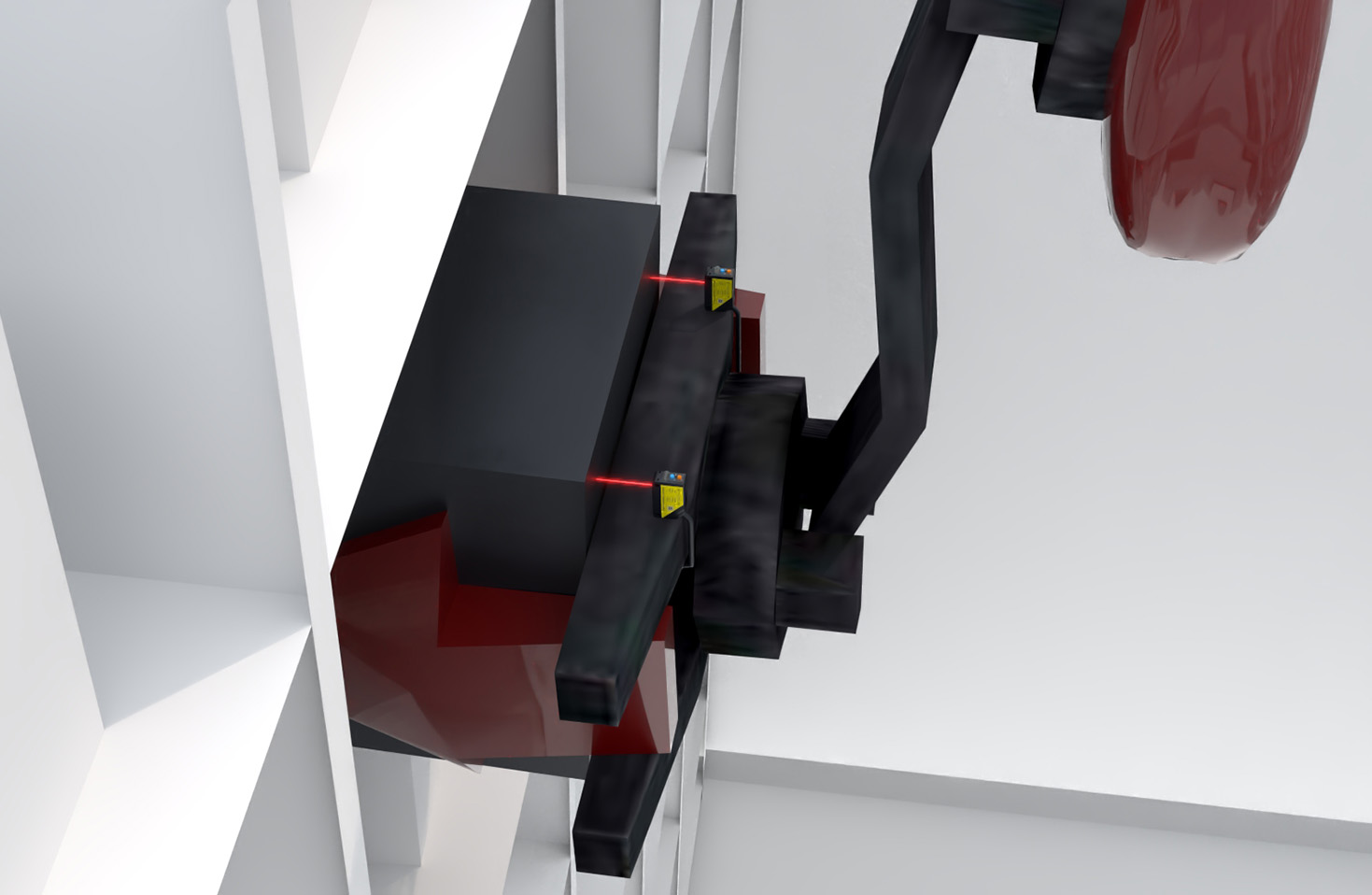
The application spectrum for Laser Sensor HG units is remarkably broad. In logistics, they accurately measure parcel dimensions for automated sorting and shipping cost calculation. In electronics manufacturing, they verify the coplanarity of ball grid arrays (BGAs) on circuit boards. On robotic arms, they provide precise guidance for pick-and-place operations. Their ability to perform regardless of target color or material—within specified ranges—adds to their flexibility, though specific models may be optimized for challenging surfaces like shiny metals or dark, absorbent materials.
When selecting a Laser Sensor HG, key specifications to consider include measuring range, spot size, repeatability, response time, and output interface (e.g., analog voltage/current, digital IO, or industrial fieldbus protocols like PROFINET or EtherCAT). Proper installation, considering factors like mounting angle and environmental light interference, is crucial for optimal performance. Regular maintenance, primarily keeping the lens clean, ensures long-term accuracy.
In conclusion, the Laser Sensor HG series embodies the convergence of optical precision and industrial robustness. By providing reliable, non-contact measurement data, these sensors form the sensory backbone of modern smart factories, driving efficiency, enhancing product quality, and enabling the high levels of automation that define Industry 4.0. Their continued evolution promises even greater capabilities for the automated systems of tomorrow.
