Fiber optic laser sensing technology represents a transformative innovation in the field of industrial measurement and monitoring. Unlike traditional electronic sensors, these systems utilize optical fibers as the sensing element, where laser light is transmitted through the fiber. Changes in the physical environment—such as strain, temperature, pressure, or vibration—alter the properties of the light (e.g., intensity, phase, wavelength, or polarization). These alterations are then detected and analyzed to provide precise, real-time data. The core principle often relies on phenomena like Fiber Bragg Gratings (FBGs), interferometry, or distributed sensing mechanisms, enabling high sensitivity and accuracy over long distances.
One of the most significant advantages of fiber optic laser sensors is their immunity to electromagnetic interference (EMI). In industrial settings filled with heavy machinery, high-voltage equipment, and wireless communications, EMI can severely disrupt conventional electronic sensors, leading to inaccurate readings or system failures. Fiber optic sensors, being passive and dielectric, operate reliably in such harsh electromagnetic environments. This makes them ideal for applications in power generation plants, railway systems, and aerospace, where signal integrity is paramount.
Furthermore, these sensors offer exceptional multiplexing capabilities. Multiple sensing points can be integrated along a single optical fiber, creating a continuous distributed sensing network. This allows for the monitoring of large structures—like pipelines, bridges, or wind turbine blades—without the need for extensive wiring or numerous individual sensors. For instance, in structural health monitoring (SHM), embedded fiber optic sensors can detect minute cracks, deformations, or stress concentrations long before they become critical, enabling predictive maintenance and enhancing safety.
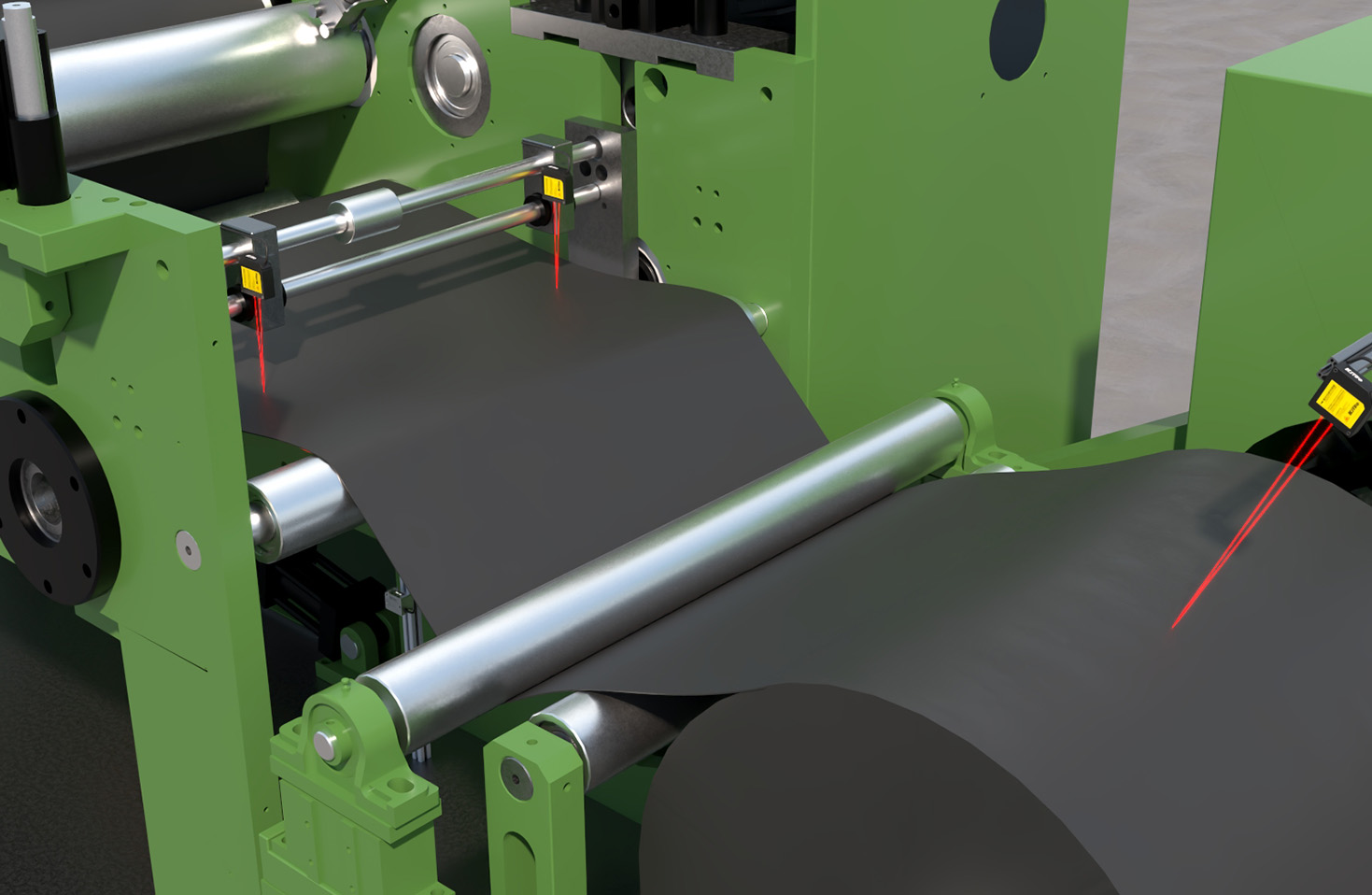
The technology also excels in extreme environmental conditions. Optical fibers are inherently resistant to corrosion, high temperatures, and explosive atmospheres. In the oil and gas industry, fiber optic sensors are deployed downhole to monitor temperature and pressure profiles in real-time during drilling and production. Their durability and stability at temperatures exceeding 300°C provide valuable data for optimizing extraction processes and ensuring operational safety. Similarly, in high-temperature manufacturing processes, such as metal casting or composite material curing, these sensors deliver reliable measurements where conventional sensors would degrade.
Recent advancements have focused on enhancing resolution, range, and data processing. The development of coherent optical time-domain reflectometry (C-OTDR) and phase-sensitive optical time-domain reflectometry (φ-OTDR) has improved the ability to detect acoustic vibrations and dynamic strain with high spatial resolution over distances of several tens of kilometers. This is particularly useful for perimeter security, where the fiber can act as a sensitive "acoustic ear" detecting intrusions, or for monitoring seismic activity along pipelines.
Integration with the Industrial Internet of Things (IIoT) and cloud computing is another growing trend. Fiber optic sensing networks can be connected to data analytics platforms, enabling remote monitoring, big data analysis, and artificial intelligence-driven diagnostics. This facilitates the shift from scheduled maintenance to condition-based maintenance, reducing downtime and operational costs. For example, in smart grid applications, fiber optic sensors monitor temperature and load on transmission lines, helping to prevent outages and manage energy flow efficiently.
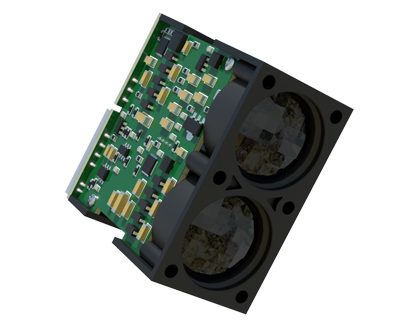
Despite its numerous benefits, the adoption of fiber optic laser sensing technology faces challenges. The initial installation cost can be higher than that of traditional sensors, primarily due to the need for specialized optical equipment like laser sources, interrogators, and expertise in fiber handling and splicing. However, the total cost of ownership is often lower over the system's lifespan due to reduced maintenance, longer durability, and the value of the rich data obtained. Additionally, standardization of protocols and interfaces is still evolving, which can pose integration hurdles with existing industrial control systems.
Looking ahead, research is directed toward miniaturization, increased sensitivity, and the development of new materials for fibers, such as polymer optical fibers (POFs) or microstructured fibers, which could open up new applications in biomedical sensing or flexible electronics. As industries continue to prioritize automation, safety, and efficiency, fiber optic laser sensors are poised to become a cornerstone of advanced sensing infrastructure, driving innovation across sectors from civil engineering to renewable energy and beyond.