In the realm of modern electronics and automation, proximity light sensors, particularly models like the P50, play a pivotal role in enabling intuitive device interactions and enhancing system efficiency. As a seasoned electrical engineer, I often encounter queries about the physical location and integration of these sensors. The P50 proximity light sensor is not a single, fixed component with a universal placement; rather, it is a type of sensor that can be found embedded within various devices and systems, designed to detect the presence or absence of nearby objects without physical contact, typically using infrared (IR) light.
Commonly, the P50 sensor is strategically located in areas where user proximity detection is critical. In smartphones and tablets, for instance, you will find it near the top bezel, close to the earpiece or front-facing camera. This placement allows the sensor to detect when the device is held to the user's ear during a call, automatically turning off the display to prevent accidental touch inputs and save power. In industrial automation setups, such sensors might be mounted on machinery or conveyor belts to detect the passage of objects, count items, or trigger safety mechanisms. They are often housed in compact, durable casings suitable for the operating environment, whether it's a clean consumer electronics interior or a harsh factory floor.
The operational principle of the P50 revolves around emitting an infrared light beam and measuring the reflection. When an object comes within a specified range—the "proximity" zone—the reflected light intensity changes, which the sensor's photodetector interprets to signal presence. This makes its placement crucial: it must have a clear, unobstructed path for the IR beam, free from interference by other light sources or reflective surfaces that could cause false readings. In design phases, engineers carefully consider factors like sensing distance, response time, and environmental conditions (e.g., ambient light, dust) to determine the optimal location. For example, in an automatic soap dispenser, the P50 sensor would be positioned behind a translucent window on the front, allowing IR transmission while protecting the internal components.
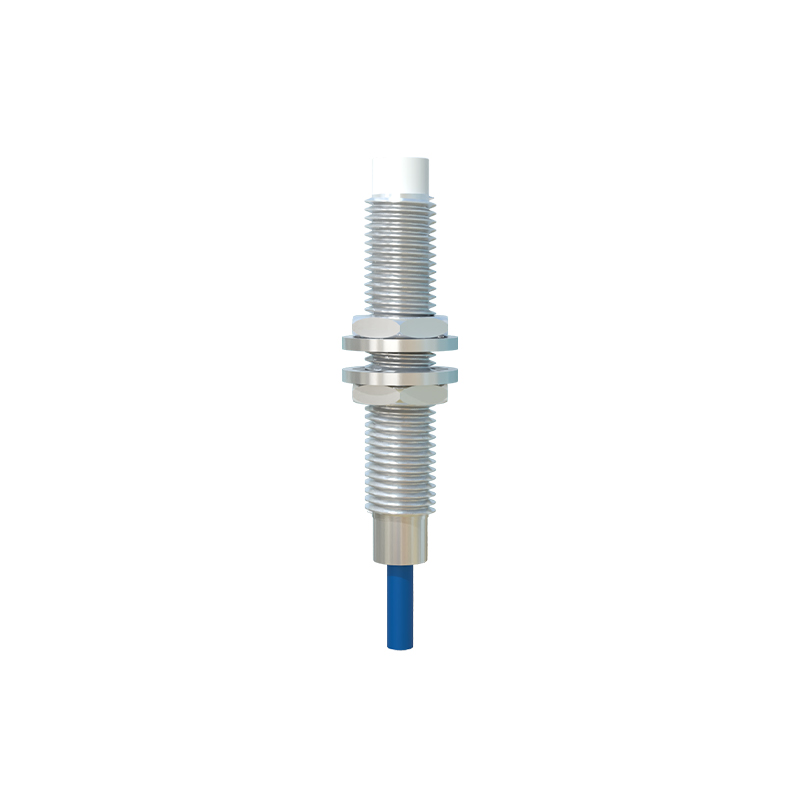
Integration involves connecting the P50 to a microcontroller or processing unit via standard interfaces like I2C or analog outputs. Proper placement ensures reliable performance—misalignment can lead to failures, such as a phone screen not turning off during calls. Engineers must also account for calibration during installation, adjusting thresholds to match specific application needs. In automotive applications, these sensors might be embedded in dashboards for gesture control or in parking assistance systems, requiring robust placement to withstand vibrations and temperature variations.
Ultimately, the "where" of the P50 proximity light sensor is defined by its application. It is an invisible yet essential component, tucked away in devices we use daily and in industrial systems driving productivity. Understanding its placement principles helps in troubleshooting, designing better products, and appreciating the seamless automation it enables. As technology evolves, these sensors continue to shrink in size and expand in capability, finding new niches in smart homes, robotics, and beyond, always positioned precisely where detection matters most.
