Proximity sensors are essential components in industrial automation, providing non-contact detection of objects. A key aspect of their application lies in understanding the wiring configurations, particularly the Normally Open (NO) and Normally Closed (NC) contacts. This knowledge is crucial for designing control circuits that ensure safety, reliability, and proper system functionality.
In electrical engineering, the terms "Normally Open" and "Normally Closed" refer to the default state of the sensor's output contacts when no target is within the sensing range. A Normally Open proximity sensor has contacts that are open (non-conductive) in its idle state. When a target object enters the sensing field, the internal switch closes, allowing current to flow through the circuit. This configuration is commonly used in applications where an action is triggered upon detection, such as starting a conveyor belt or activating a warning light. Conversely, a Normally Closed proximity sensor has contacts that are closed (conductive) when no target is present. Upon detecting an object, the contacts open, interrupting the current flow. NC wiring is often employed in safety-critical systems, like emergency stop circuits or machine guarding, where a break in the circuit signals a fault or requires immediate shutdown.
Wiring these sensors involves connecting them to a power supply and a load, such as a relay, programmable logic controller (PLC), or indicator. For a three-wire DC proximity sensor, typical connections include: brown wire to positive voltage (+V), blue wire to negative or common (0V), and black wire as the output signal. In NO mode, the black wire provides voltage to the load when activated. In NC mode, it supplies voltage when deactivated, ceasing upon detection. It is vital to consult the sensor's datasheet for specific wiring diagrams, as colors and pinouts can vary by manufacturer and model. Incorrect wiring may lead to malfunction, equipment damage, or safety hazards.
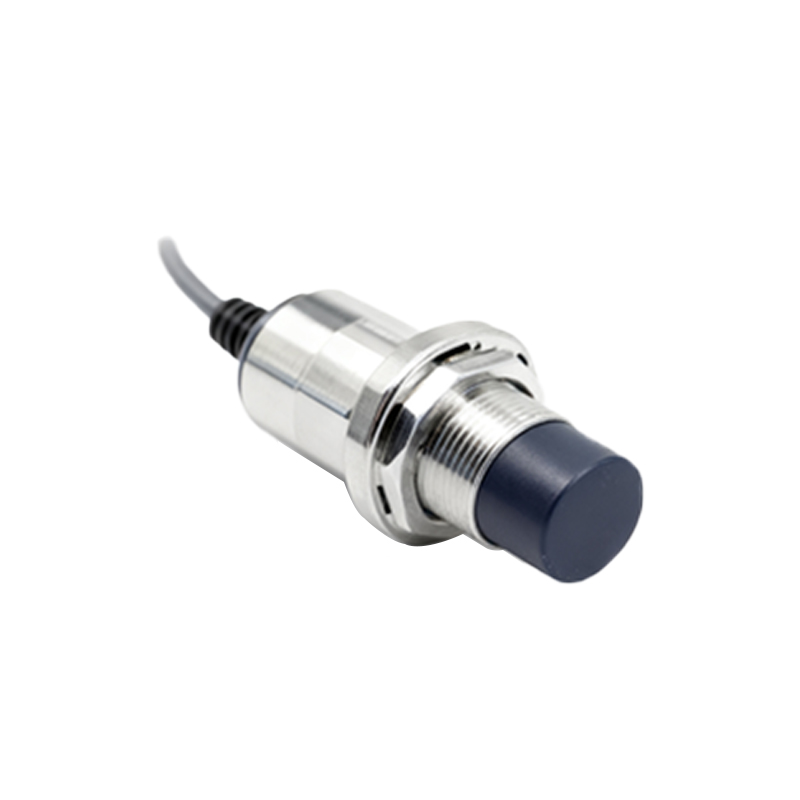
Selecting between NO and NC depends on the control logic and fail-safe requirements. NO contacts are ideal for "make" circuits that initiate processes, while NC contacts suit "break" circuits that prioritize safety during failures. For instance, in a monitoring system, an NC sensor can detect if a guard door is open, halting operation to prevent accidents. Additionally, some sensors offer configurable outputs, allowing users to switch between NO and NC via wiring or programming, enhancing flexibility in complex automation setups.
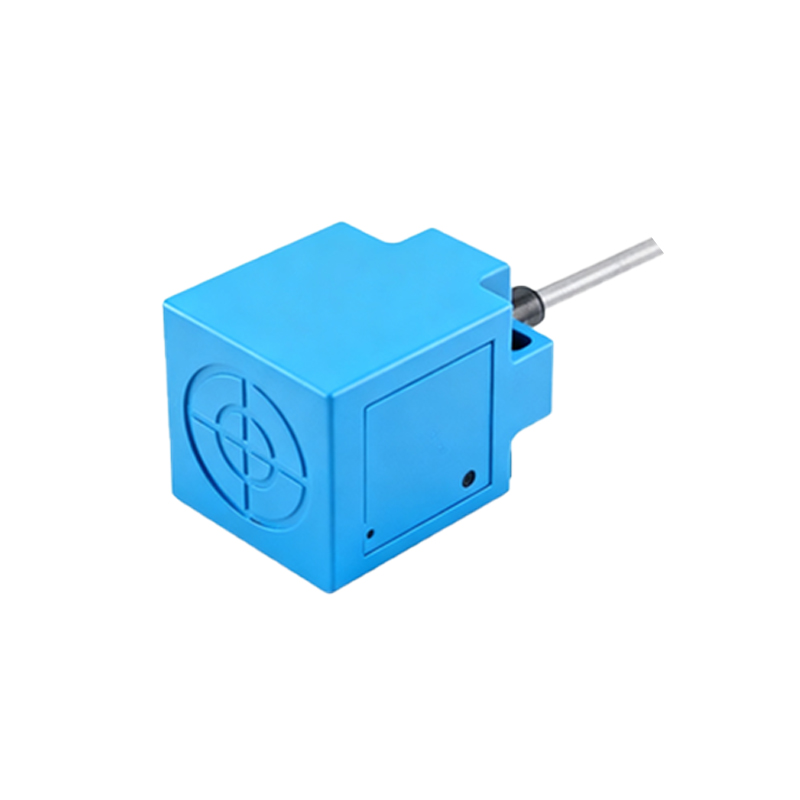
Proper installation and testing are paramount. Always de-energize the circuit before wiring. Use multimeters to verify continuity and output states. Ensure the sensor is correctly aligned and within its specified sensing distance. Environmental factors like temperature, humidity, and electromagnetic interference can affect performance, so adhere to the sensor's ratings. Regular maintenance, including cleaning the sensing face and checking connections, prolongs lifespan and ensures accuracy.
In summary, mastering NO and NC wiring for proximity sensors is fundamental for effective industrial control. By understanding their principles and applications, engineers can design robust systems that optimize productivity and safety. Always prioritize manufacturer guidelines and industry standards to achieve reliable operation.