In the realm of industrial automation, proximity photoelectric sensors stand as indispensable components for non-contact detection, object counting, and positioning. Their operation hinges on the fundamental interaction between emitted light and a target object. Unlike mechanical limit switches, these sensors offer wear-free operation, high switching speeds, and the ability to detect a vast array of materials, making them a cornerstone of modern manufacturing, packaging, and material handling systems.
The core principle involves a transmitter and a receiver. The transmitter, typically an LED (Light Emitting Diode) or a laser diode, emits a modulated beam of light. Common light sources include visible red, infrared, or laser light, chosen based on required sensing distance, environmental conditions, and target characteristics. The receiver is a phototransistor or photodiode designed to detect this specific light signal. The key to reliable operation lies in the modulation of the emitted light at a specific frequency. The receiver is tuned to this same frequency, allowing it to distinguish the sensor's own signal from ambient light (such as factory lighting or sunlight), thereby ensuring high immunity to optical interference.
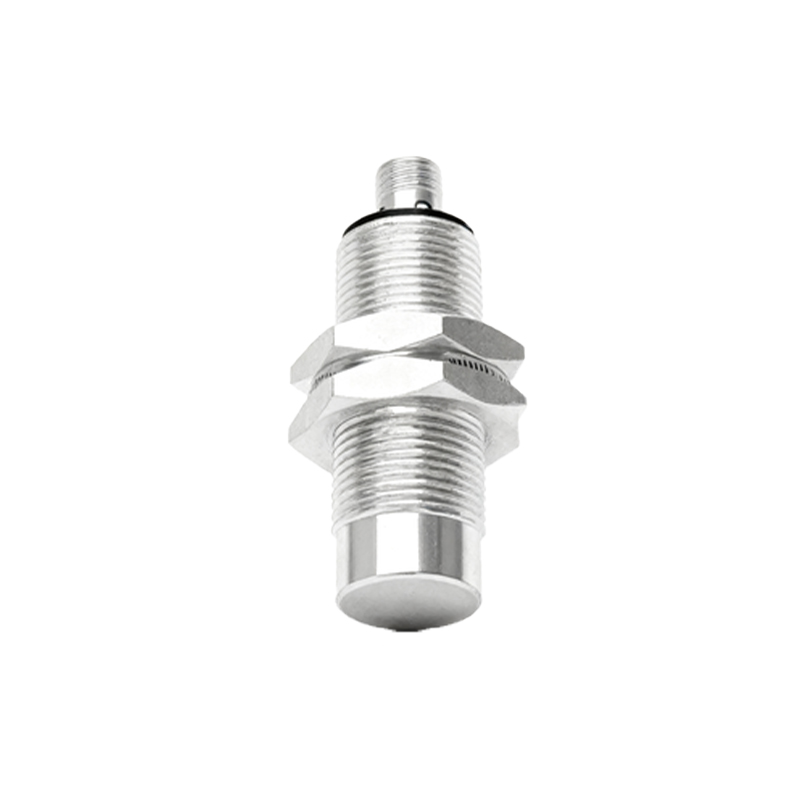
There are three primary operating modes for proximity photoelectric sensors, defined by the spatial arrangement of the transmitter and receiver: through-beam, retro-reflective, and diffuse (proximity) mode.
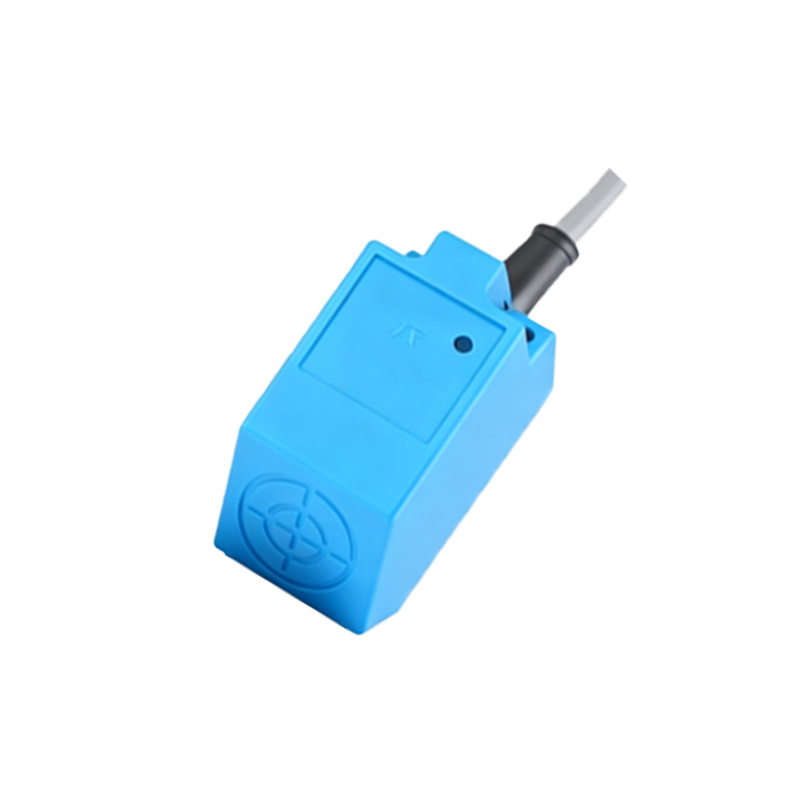
1. Through-Beam (Opposed Mode): This configuration employs separate, opposing units for the transmitter and receiver. The transmitter projects a continuous or modulated beam directly to the receiver. An object is detected when it interrupts this beam. This method offers the longest possible sensing ranges, highest excess gain (signal strength margin), and reliable detection of virtually any opaque object, regardless of its color, surface finish, or material. It is ideal for precise detection over long distances or in demanding environments, though installation requires precise alignment of two separate components.
2. Retro-Reflective Mode: Here, both the transmitter and receiver are housed in a single unit. The sensor emits light towards a specially designed reflector (corner-cube or tape reflector) that returns the beam directly back to the receiver. Detection occurs when an object breaks the light path between the sensor and the reflector. This simplifies wiring and alignment compared to through-beam sensors, as only one device needs to be mounted. However, sensing distance is shorter than through-beam, and highly reflective or shiny objects may sometimes be misinterpreted as the reflector, causing a failure to detect. Modern sensors often incorporate polarization filters to mitigate this; the emitted light is polarized, and the receiver only accepts light with the opposite polarization, which is how the reflector is designed to return it. A shiny object reflects light with the same polarization, which the receiver ignores.
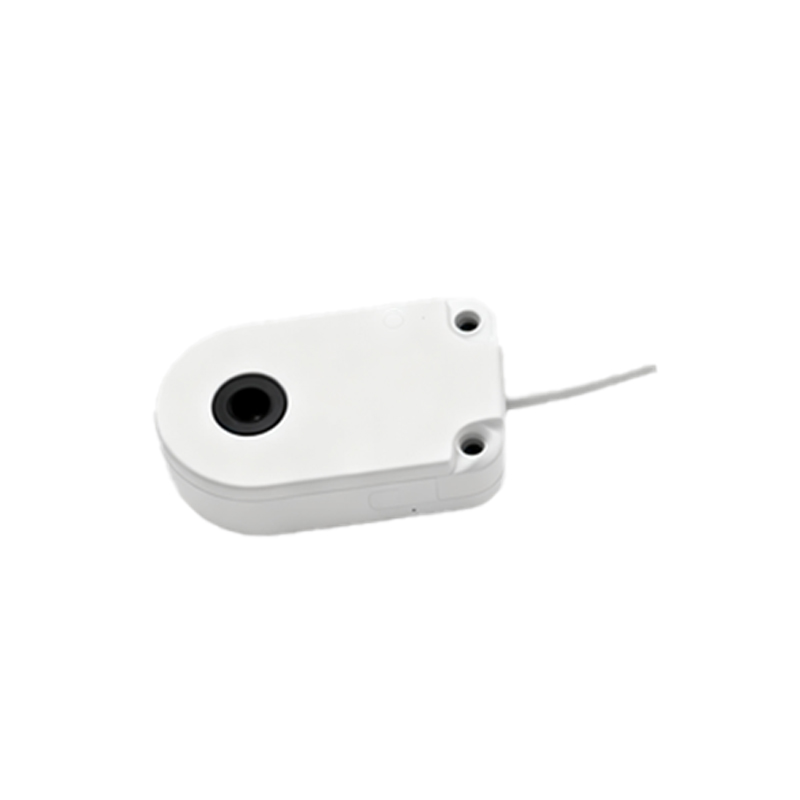
3. Diffuse Mode (Proximity Mode): This is the quintessential "proximity" operation. The transmitter and receiver are also co-located in one housing. The sensor detects an object by the reflection (diffuse reflection) of its own emitted light off the target's surface. The light scatters in many directions, and a small portion returns to the receiver. Detection is based on the intensity of this returned signal. Sensing distance is the shortest of the three modes and is heavily dependent on the target's size, color, and surface texture (light-colored, matte surfaces reflect better than dark, shiny, or absorbent ones). This mode is used for direct, short-range detection without the need for a separate reflector, offering simple, compact installation. Advanced versions, known as background suppression or convergent beam sensors, use triangulation principles to detect objects only within a very specific, defined distance, ignoring more distant surfaces or backgrounds.
Critical performance parameters include sensing distance, repeat accuracy, response time, and environmental ratings. Factors such as dust, fog, steam, or target translucency can attenuate the light beam. For challenging environments, sensors with robust housings (IP67/IP69K), specialized lenses, and high excess gain are selected. For detecting transparent objects, such as glass or plastic bottles, sensors operating in the polarized retro-reflective mode or with high-resolution through-beam systems are employed.
In conclusion, the operation of proximity photoelectric sensors is elegantly rooted in the physics of light emission, modulation, and reception. By choosing the appropriate operating mode—through-beam for maximum range and reliability, retro-reflective for balanced performance with single-unit mounting, or diffuse for direct proximity sensing—engineers can solve a myriad of automation challenges. Their versatility, speed, and non-contact nature continue to make photoelectric sensing a vital and evolving technology for precise and efficient object detection across countless industries.