Proximity sensors are a critical component in the field of industrial automation and control systems. These devices detect the presence or absence of objects without physical contact, making them essential for enhancing efficiency, safety, and precision in various sectors. The primary industries that rely heavily on proximity sensors include manufacturing, automotive, aerospace, packaging, and robotics.
In manufacturing, proximity sensors are used for tasks such as part detection, position verification, and machine safety. They help in monitoring assembly lines, ensuring that components are correctly placed, and preventing collisions in automated machinery. For instance, inductive proximity sensors are commonly employed to detect metallic objects, while capacitive sensors can identify non-metallic materials like plastics or liquids. This versatility allows manufacturers to optimize production processes, reduce downtime, and maintain high-quality standards.

The automotive industry utilizes proximity sensors extensively in both production and vehicle systems. During manufacturing, they assist in robotic welding, painting, and assembly by providing accurate object detection. In vehicles, proximity sensors are integrated into safety features like parking assistance, collision avoidance, and automated braking systems. These applications enhance driver safety and contribute to the development of autonomous vehicles, where real-time environmental sensing is crucial.
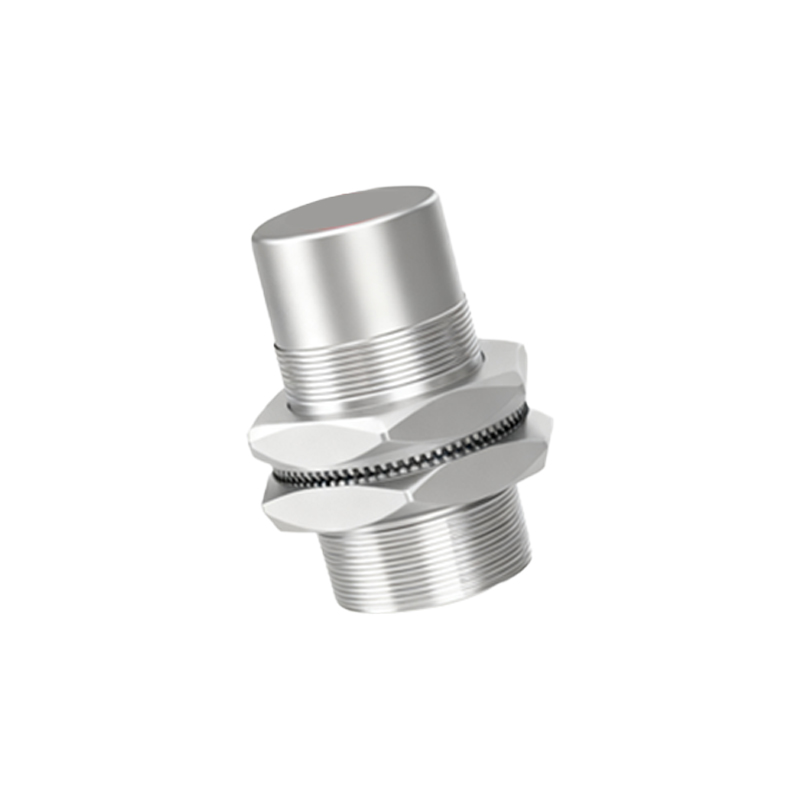
Aerospace and aviation sectors benefit from proximity sensors in monitoring equipment health and ensuring operational safety. They are used in landing gear systems, engine monitoring, and cargo handling to detect object proximity and prevent accidents. The high reliability and durability of these sensors make them suitable for extreme conditions, such as temperature variations and vibrations encountered in flight.
In packaging and material handling, proximity sensors streamline operations by detecting product presence on conveyor belts, controlling filling levels, and managing inventory. This leads to faster processing times and reduced waste, supporting industries like food and beverage, pharmaceuticals, and logistics. For example, ultrasonic proximity sensors can measure distances to objects, aiding in precise packaging and sorting tasks.
Robotics and automation are perhaps the most dynamic areas for proximity sensor application. Robots use these sensors for navigation, object manipulation, and human-robot interaction. By enabling robots to sense their surroundings, proximity sensors improve accuracy in pick-and-place operations, assembly, and collaborative tasks where safety is paramount. This drives innovation in smart factories and Industry 4.0 initiatives, where interconnected systems rely on real-time data from sensors.
Technological advancements have expanded the capabilities of proximity sensors, including the development of more compact designs, enhanced sensitivity, and integration with IoT (Internet of Things) platforms. This allows for remote monitoring and predictive maintenance, reducing operational costs across industries. As automation continues to evolve, the demand for proximity sensors is expected to grow, solidifying their role in modern industrial ecosystems.
Overall, proximity sensors are integral to multiple high-tech industries, enabling automation, improving safety, and boosting productivity. Their non-contact nature and adaptability make them a cornerstone of industrial innovation, supporting everything from basic machinery to complex autonomous systems. Professionals in electrical engineering and industrial design must stay updated on sensor technologies to leverage their full potential in driving future advancements.