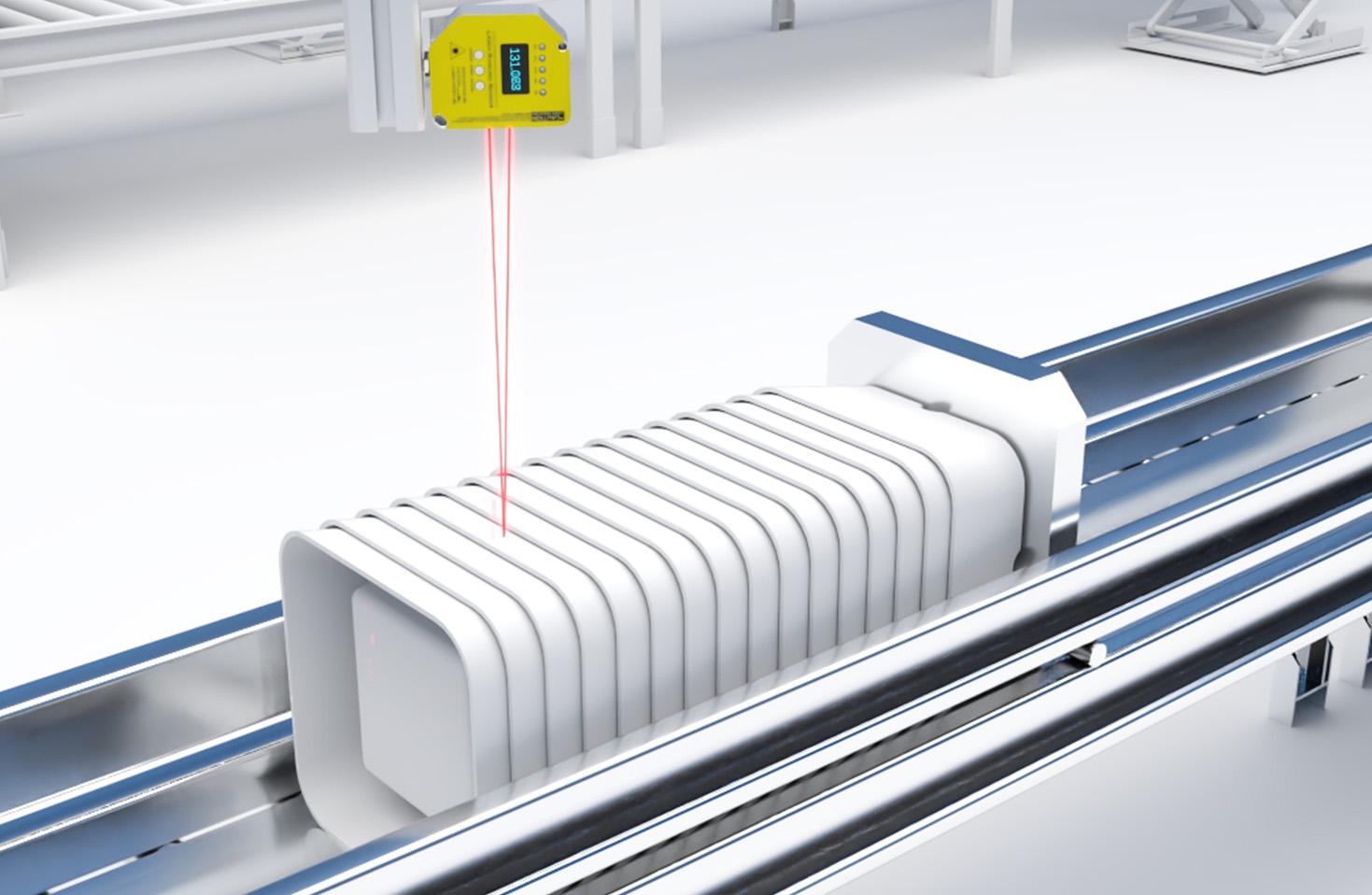
In modern industrial automation, laser sensor vibration systems have emerged as critical components for precision monitoring, quality control, and predictive maintenance. These systems utilize laser-based technology to detect, measure, and analyze vibrations with exceptional accuracy, often achieving sub-micron resolution. The core principle involves emitting a focused laser beam toward a target surface; vibrations cause minute displacements, which alter the reflected beam's properties. Through interferometry or triangulation methods, these changes are converted into precise vibration data.
Industrial applications span diverse sectors. In manufacturing, laser vibration sensors monitor machinery health, identifying imbalances, misalignments, or bearing wear before failures occur. For example, in turbine and rotating equipment, continuous vibration analysis prevents catastrophic downtime. Aerospace and automotive industries rely on these systems for testing component durability under simulated stress, ensuring compliance with safety standards. Additionally, in structural health monitoring, lasers assess bridges, buildings, and pipelines for subtle vibrations indicating potential defects.
The advantages of laser-based systems are manifold. Non-contact measurement eliminates mechanical wear and avoids interference with delicate or high-speed objects. They offer high frequency response, capturing rapid vibrations beyond the capability of traditional accelerometers. Environmental resilience is another key benefit; many sensors operate effectively in extreme temperatures, dusty conditions, or hazardous areas where physical contact is impractical. Integration with IoT and Industry 4.0 platforms enables real-time data analytics, facilitating predictive maintenance algorithms that reduce operational costs.
However, challenges persist. Surface properties—such as reflectivity, texture, or transparency—can affect measurement accuracy. Advanced sensors now incorporate adaptive optics and signal processing to mitigate these issues. Cost remains a consideration, though ROI improves through enhanced efficiency and reduced downtime. Future trends include miniaturization of sensors, enhanced AI-driven diagnostics, and broader adoption in emerging fields like renewable energy, where monitoring wind turbine blades or solar panel stability is crucial.
In summary, laser sensor vibration systems represent a fusion of optical engineering and industrial innovation. By delivering precise, reliable vibration data, they empower industries to optimize performance, ensure safety, and advance toward smarter, more resilient operations. As technology evolves, these systems will undoubtedly play an even more integral role in shaping the future of industrial automation.