In the precise world of industrial and scientific laser systems, maintaining optimal operating temperature is non-negotiable. The laser chiller, or cooling system, is the guardian of this thermal stability. At the heart of its monitoring and control capabilities lies a suite of critical components: the sensors. These devices are the eyes and ears of the chiller, providing real-time data essential for protection, efficiency, and consistent laser output. This article delves into the key sensors found in modern laser chillers, their functions, and best practices for ensuring their reliability.
The primary role of any laser chiller is to remove waste heat generated by the laser source, optics, and sometimes associated equipment. Uncontrolled temperature fluctuations can lead to wavelength drift, reduced power output, beam quality degradation, and ultimately, catastrophic component failure. Sensors enable the chiller's control system to respond dynamically to thermal loads, ensuring the coolant remains within a tight, specified temperature range.
Several sensor types are commonly deployed, each with a specific mission. The most fundamental are temperature sensors. These are typically thermistors or Resistance Temperature Detectors (RTDs) placed at strategic points: at the chiller outlet (supply temperature to the laser), at the inlet (return temperature from the laser), and within the reservoir. Monitoring the differential between outlet and inlet temperature (ΔT) is crucial. A rising ΔT often indicates increased heat load from the laser, prompting the chiller to increase cooling capacity. Conversely, an abnormal ΔT can signal low coolant flow or a problem within the laser itself. Reservoir temperature sensors help manage internal chiller functions like preventing condensation.
Flow sensors are equally critical. They confirm that coolant is actually circulating through the laser and chiller loop at the required rate. Insufficient flow can lead to localized hot spots and overheating, even if the supply temperature seems correct. Common types include paddlewheel sensors and, in more advanced systems, ultrasonic flow meters. A flow sensor interlock is a standard safety feature; if flow drops below a set threshold, the sensor can send a signal to shut down the laser to prevent damage.
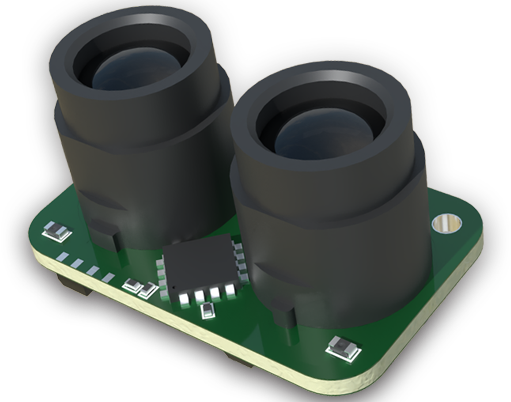
Pressure sensors monitor the hydraulic conditions within the closed-loop system. They are often installed on the discharge side of the pump. A sudden drop in pressure might indicate a leak, a clogged filter, or pump failure. A rise in pressure could point to a blockage in the system or issues with the heat exchange pathway. Monitoring pressure trends helps in predictive maintenance, alerting operators to developing problems before they cause an unscheduled shutdown.
Level sensors within the coolant reservoir are vital for system integrity. They monitor the volume of coolant. A dropping level, detected by float switches or conductive probes, signals a leak. Early detection prevents the pump from running dry, which can cause severe damage. Some systems also incorporate conductivity or purity sensors. These monitor the quality of the deionized water or specialized coolant, alerting users when ionic contamination rises, which can lead to corrosion or reduced dielectric properties.
The integration of these sensors defines a chiller's intelligence. Modern microprocessor-controlled chillers don't just read these values; they analyze them. Algorithms use sensor data to modulate compressor speed, pump RPM, and fan operation for maximum efficiency. They provide detailed fault logging: a high-temperature alarm isn't just an alert; the system can often correlate it with simultaneous flow or pressure data to suggest a root cause, such "High Temp Alarm - Check for Flow Restriction."
For optimal performance, sensor maintenance is paramount. Regular calibration checks are essential, as drift can lead to inaccurate control. Temperature sensors can be checked against a certified reference thermometer. Flow sensors require ensuring the flow path is clear and the sensing element is free of debris. Pressure sensor diaphragms should be inspected for integrity. Electrical connections for all sensors must be secure and protected from moisture. Perhaps most importantly, the coolant itself must be maintained according to manufacturer specifications, as contamination can coat sensors, insulating them and causing slow, inaccurate responses.
In conclusion, the sensors in a laser chiller are far more than simple gauges. They form a sophisticated sensory network that enables precise thermal management, robust safety protection, and operational efficiency. Understanding their types, functions, and maintenance requirements is key for any engineer or technician responsible for laser system uptime and performance. Investing attention in these small components pays significant dividends in laser reliability, output quality, and overall system longevity.