In the world of industrial automation and machine design, the selection of the right proximity sensor is a critical decision that impacts system reliability, efficiency, and safety. Proximity sensors, non-contact devices that detect the presence or absence of an object within their sensing field, come in various technologies, each with distinct operating principles, advantages, and limitations. Understanding the available options is fundamental for engineers and system integrators to make an informed choice tailored to their specific application needs.
The most prevalent types of proximity sensors are inductive, capacitive, ultrasonic, and photoelectric. Inductive proximity sensors are the workhorses of metal detection. They generate an electromagnetic field and detect the eddy current losses caused when a metallic target enters this field. These sensors are exceptionally robust, immune to environmental factors like dust, oil, and moisture, and offer high switching frequencies. They are ideal for detecting ferrous and non-ferrous metals in applications such as part counting on conveyor belts, position verification of machine components, and end-of-travel detection in cylinders. However, their key limitation is that they only detect metallic objects.
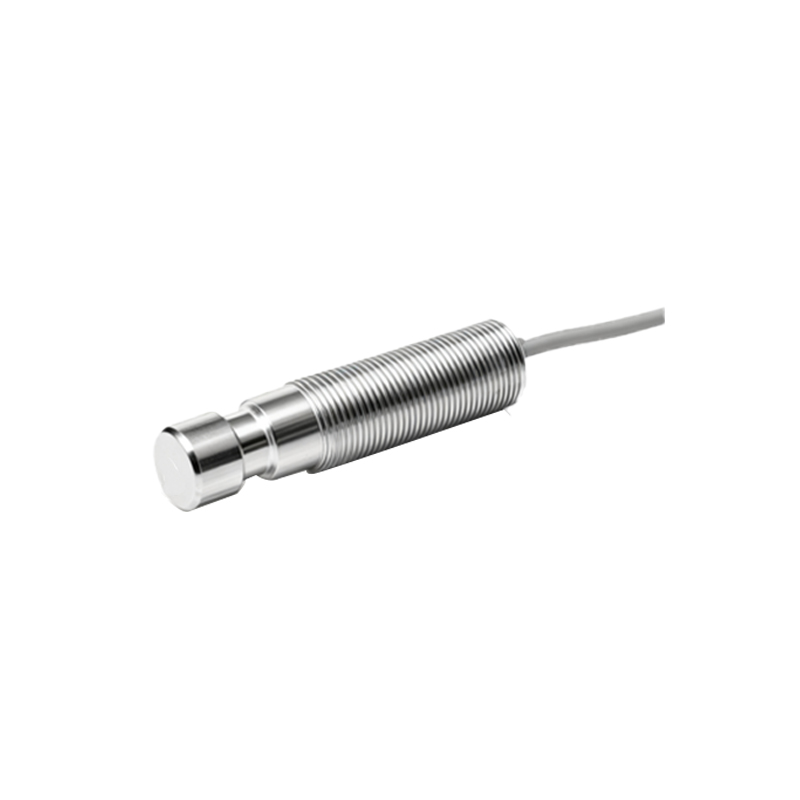
For applications requiring detection of non-metallic materials—such as wood, plastic, glass, liquids, or granules—capacitive proximity sensors are the solution. They function by generating an electrostatic field and sensing changes in capacitance caused by any material that enters the field. This makes them versatile for level detection in tanks (liquid or solid), material handling, and detecting filled packaging. A notable consideration is their sensitivity to environmental changes like humidity or temperature, which may require calibration.
Photoelectric sensors operate on the principle of light transmission. An emitter sends a light beam (often infrared, visible red, or laser) to a receiver. They are categorized into three main modes: through-beam, retro-reflective, and diffuse reflective. Through-beam sensors, with separate emitter and receiver units, offer the longest sensing ranges and highest reliability, perfect for precise object detection on high-speed lines. Retro-reflective types use a single unit and a reflector, suitable for medium-range tasks. Diffuse sensors detect light reflected directly from the target, offering the most compact solution but with a shorter range and potential sensitivity to the target's color and surface finish. Photoelectric sensors excel in long-range detection, small part sensing, and color differentiation.
Ultrasonic sensors use sound waves beyond the human hearing range. They measure the time taken for an emitted sound pulse to reflect off a target and return. This technology is excellent for precise distance measurement, level sensing of bulk materials or liquids, and detecting objects regardless of color, transparency, or material composition. They perform well in challenging environments with dust, fog, or light interference but can be affected by temperature variations and soft, sound-absorbing materials.
Beyond the core technology, several key parameters dictate the selection process. Sensing range, the maximum distance at which a standard target can be reliably detected, is paramount. The mounting and housing style (e.g., cylindrical, rectangular, flush or non-flush mount) must fit the mechanical constraints. Environmental factors like IP (Ingress Protection) rating for dust and water resistance, temperature range, and resistance to chemicals or welding spatter are crucial for longevity. Electrical output type (e.g., NPN, PNP, analog, IO-Link) must be compatible with the control system (PLC). Other considerations include switching frequency for high-speed applications, repeatability, and the presence of built-in diagnostics or indicators.
In conclusion, there is no universal "best" proximity sensor. The optimal choice is a systematic compromise based on the target material, required sensing distance, environmental conditions, electrical interface, and cost constraints. An inductive sensor is unbeatable for robust metal detection. A capacitive sensor unlocks detection of virtually any material. A photoelectric sensor provides versatility and long range for precise positioning. An ultrasonic sensor is the expert for distance measurement and challenging atmospheres. By carefully evaluating these technologies against the application's specific demands, engineers can ensure a reliable, efficient, and cost-effective sensing solution, forming the bedrock of a responsive and intelligent automated system.