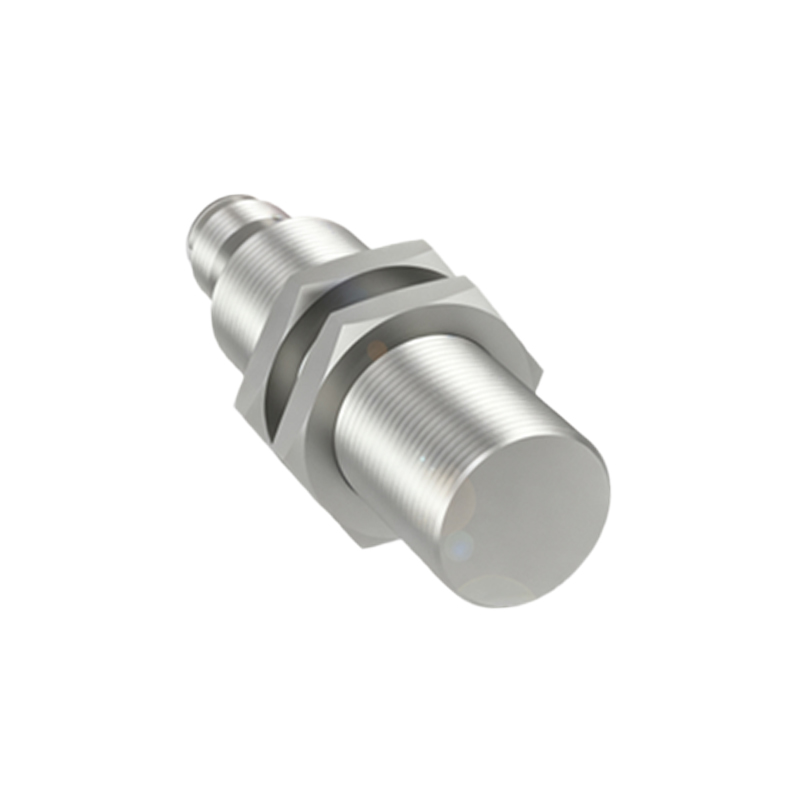
In the intricate world of industrial automation, process control, and safety systems, the ability to detect the presence or absence of an object without physical contact is fundamental. Among the various technologies enabling this capability, proximity voltage sensors hold a critical position. These devices are engineered to sense the voltage potential or electric field associated with a target, providing a reliable output signal when a specified threshold is reached. Unlike simple mechanical switches, they offer non-contact operation, leading to enhanced longevity, reduced maintenance, and the ability to function in harsh environments where dirt, oil, or moisture are present.
At their core, proximity voltage sensors operate on the principle of detecting changes in an electric field. The sensor typically generates a low-power oscillating electromagnetic field from its active face. When a conductive or dielectric target enters this field, it causes a measurable disturbance. For capacitive-type sensors, which are common in voltage detection applications, this disturbance alters the capacitance of the sensor's circuit. This change is internally processed. The key differentiator of a voltage-sensitive proximity sensor is its output stage. Instead of providing a simple digital on/off signal relative to its own power supply, it is designed to respond to or indicate a specific voltage level present on the target or in its vicinity. In some configurations, the sensor itself may be powered by the very voltage it is monitoring, changing its output state when that voltage is present or falls away.
The applications for these sensors are diverse and vital. A primary use is in energy distribution and electrical cabinet safety. Sensors can be installed to verify the presence of dangerous voltage on busbars or conductors before permitting access for maintenance, directly enhancing lock-out/tag-out (LOTO) procedures. In manufacturing, they are employed to monitor the charging status of capacitors in power electronics or to confirm that a voltage is correctly applied to a tooling electrode. Another significant application is in the detection of stray or induced voltages on machinery frames, helping to prevent electrical shock hazards and ensure equipment grounding integrity. Furthermore, they find use in automated test equipment (ATE) to verify electrical continuity and the presence of test signals without load-bearing physical probes.
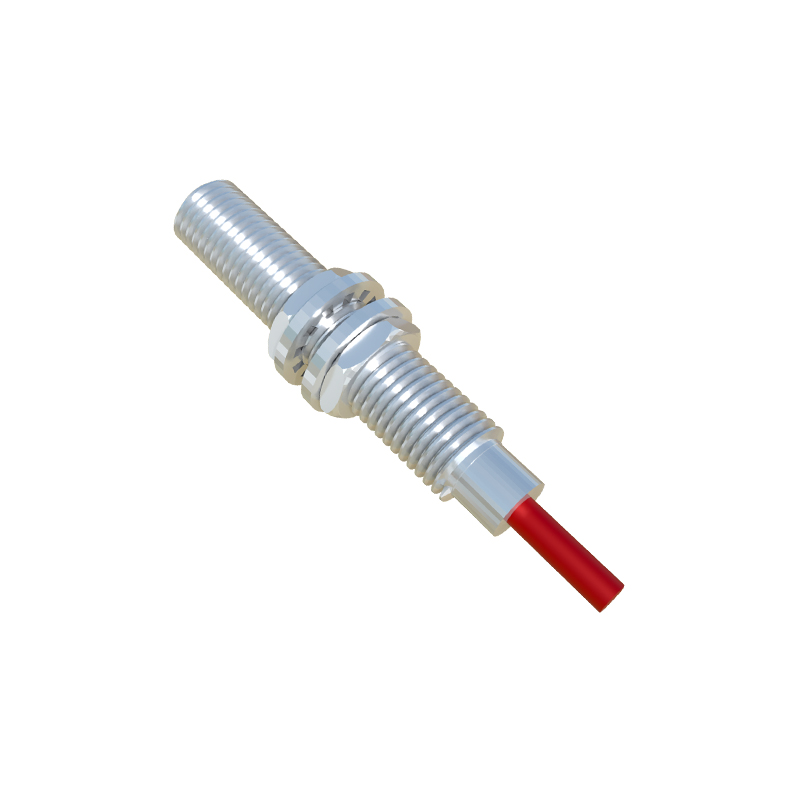
Selecting the appropriate proximity voltage sensor requires careful consideration of several technical parameters. First, the sensing range must be suitable for the application, noting that factors like target material (metal vs. non-metal), size, and environmental conditions can affect performance. The rated operating voltage and voltage detection threshold are, of course, paramount. The output type is another crucial decision point; options include analog voltage/current outputs proportional to the sensed field strength, or discrete digital outputs (PNP/NPN transistor, or relay contacts). The sensor's housing material, typically nickel-plated brass, stainless steel, or PBT plastic, must withstand the environmental conditions, including temperature extremes, potential chemical exposure, and mechanical impact. Ingress Protection (IP) ratings, such as IP67 or IP69K, indicate resilience against dust and water. Finally, electrical connection styles, like pre-wired cables or quick-disconnect M12 connectors, influence installation ease and serviceability.
Installation and maintenance practices significantly impact sensor reliability and lifespan. Proper mounting is essential; sensors should be securely fixed, and adequate clearance around the sensing face must be maintained to prevent false triggers from surrounding metal (a phenomenon known as "shielding"). Electrical wiring must follow manufacturer guidelines and local electrical codes, with particular attention to correct polarity and load specifications for the output circuit. Regular functional testing, often by introducing a known test target or voltage source, is recommended to ensure the sensor continues to operate as intended within the system's safety or control logic.
In conclusion, proximity voltage sensors are sophisticated components that bridge the gap between electrical measurement and non-contact detection. They provide an essential layer of monitoring and safety in complex electrical and automated systems. By understanding their operating principles, recognizing their varied applications, and adhering to careful selection and installation guidelines, engineers and technicians can effectively leverage these devices to create more reliable, efficient, and safer operational environments. Their role is often silent but indispensable, preventing equipment damage, ensuring process quality, and, most importantly, protecting personnel from electrical hazards.