Linear proximity sensors, often referred to as linear displacement sensors or LVDTs (Linear Variable Differential Transformers) in specific configurations, are fundamental components in modern industrial automation. Their primary function is to detect the presence, absence, or position of a metallic target object without physical contact, converting this information into a proportional electrical signal. The daily application of these sensors spans countless industries, silently ensuring precision, safety, and efficiency in operations that many end-users never see but rely upon every day.
In automotive manufacturing, linear proximity sensors are ubiquitous. They perform critical tasks on assembly lines, such as verifying the precise positioning of robotic arms for welding car body panels, measuring the thickness of brake pads during production, and ensuring engine components like pistons or valves are within strict tolerance limits. A sensor might monitor the gap between a camshaft and its follower, providing real-time feedback to a control system to maintain optimal engine performance parameters. This non-contact measurement prevents wear and tear, reduces downtime, and guarantees the consistent quality of thousands of vehicles produced daily.
The packaging and material handling sector heavily depends on these sensors for smooth operation. On high-speed bottling lines, linear sensors accurately detect the fill level in containers, ensuring each bottle is filled to the exact same height. They also control the positioning of sealing heads on packaging machines, verifying that the foil or plastic seal is applied correctly. In automated warehouses, sensors monitor the extension and retraction of conveyor sections, pallet positions, and the precise placement of goods by robotic pickers, enabling the seamless flow of logistics that powers e-commerce.
Machine tool and metalworking industries utilize linear proximity sensors for critical positioning and feedback in CNC (Computer Numerical Control) machines. They are integral to measuring tool wear on milling heads or lathes. As a cutting tool gradually wears down, the sensor detects minute changes in its position relative to the workpiece. This data is fed back to the machine's controller, which can automatically compensate for the wear, maintaining machining accuracy over extended periods without manual intervention. This application is vital for producing complex aerospace components or medical implants where micron-level precision is non-negotiable.
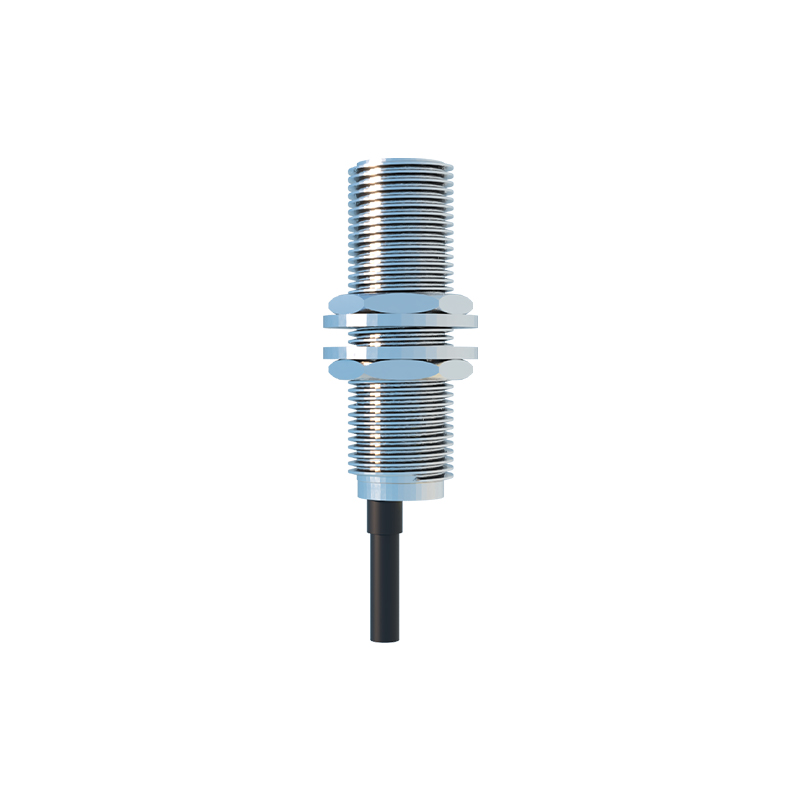
Beyond heavy industry, these sensors play a role in renewable energy. In wind turbines, linear sensors monitor the pitch of the blades, adjusting their angle to optimize power generation based on wind speed. They also check the position of hydraulic actuators used for braking systems. In hydraulic and pneumatic systems across various plants, sensors provide feedback on cylinder rod positions, enabling precise control of force and movement in presses, injection molding machines, and steel rolling mills.
The advantages driving their daily use are clear. Their non-contact nature eliminates mechanical wear on both the sensor and target, leading to exceptional long-term reliability and reduced maintenance. They are largely immune to environmental factors like oil, dust, and coolant splashes when properly housed, making them robust for harsh factory floors. They offer high accuracy and repeatability, often down to micrometer resolution, and provide fast response times suitable for dynamic, high-speed processes.
In conclusion, the linear proximity sensor is an unsung hero of industrial automation. Its daily applications form the backbone of precision manufacturing, quality control, and automated safety systems across the globe. From the car we drive and the packages we receive to the sustainable energy we harness, the reliable data provided by these sensors ensures products are built correctly, systems operate safely, and processes run with optimal efficiency. As industries advance towards greater connectivity and Industry 4.0, the role of the linear proximity sensor as a critical data acquisition point will only become more pronounced, continuing its vital work in the background of our technological world.