In the realm of industrial automation and control systems, proximity sensors play a pivotal role in enabling non-contact detection of objects. A common inquiry among engineers and system integrators is: "Does the D2020 device incorporate a proximity sensor?" This article delves into the technical specifications, functional capabilities, and typical applications of the D2020 in contexts where proximity sensing is required, providing a clear answer and comprehensive analysis.
The D2020, typically recognized as a model within a family of industrial sensors or controllers (specific manufacturer lines may vary), is often designed with integrated sensing capabilities. While the naming convention "D2020" might refer to different products across various manufacturers, in many industrial sensor catalogs, a device labeled similarly is indeed a self-contained inductive or capacitive proximity sensor. Its primary function is to detect the presence or absence of metallic or non-metallic objects within a defined sensing range without any physical contact. This non-contact operation eliminates mechanical wear and ensures high reliability and longevity in harsh environments.
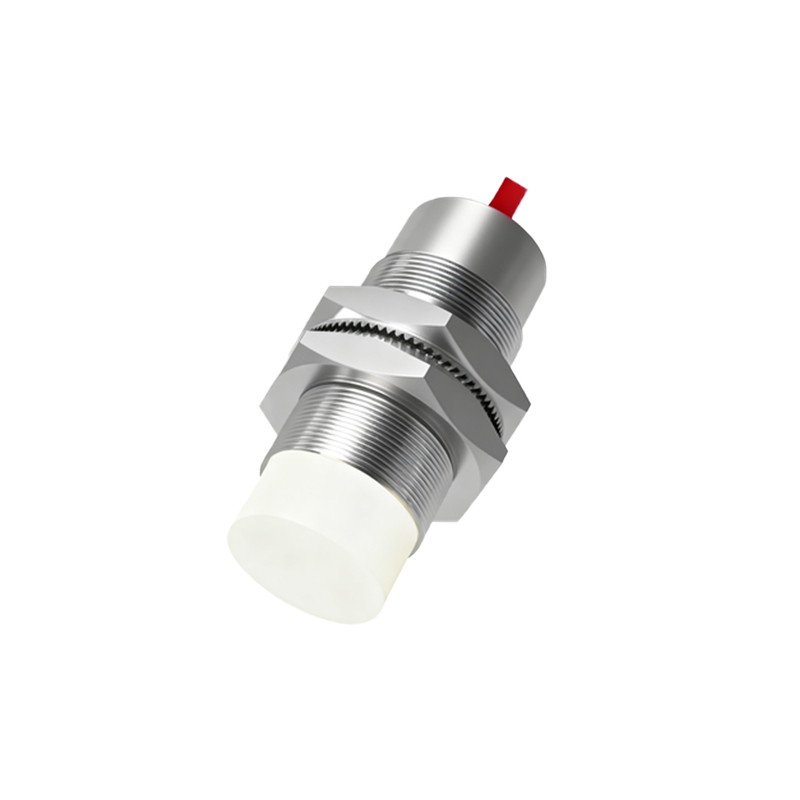
Key technical features commonly associated with a D2020 proximity sensor include a defined sensing distance, which can range from a few millimeters to several centimeters depending on the specific model and technology (inductive for metals, capacitive for various materials including liquids and plastics). It often operates on standard DC voltages (e.g., 10-30V DC) and provides either a digital PNP or NPN output signal, compatible with Programmable Logic Controllers (PLCs), microcontrollers, and other control units. The housing is usually rugged, rated with a high Ingress Protection (IP) code such as IP67, making it resistant to dust, water, and oil splashes—essential for automotive manufacturing, packaging machinery, and material handling applications.
The operational principle is straightforward. For an inductive D2020, it generates an electromagnetic field. When a metallic object enters this field, it causes a change in the oscillation amplitude, which is detected by the sensor's circuit, triggering the output switch. A capacitive version detects changes in capacitance caused by the presence of any material, making it versatile for different substance detection. The response time is typically in the microsecond to millisecond range, allowing for high-speed counting, positioning, and end-position detection tasks.
So, to directly address the core question: Yes, a device model designated as D2020 is frequently a proximity sensor. However, it is crucial to consult the specific manufacturer's datasheet for unambiguous confirmation, as the "D2020" designation could be part of a different product series in some brands. Assuming it is a proximity sensor, its applications are vast. In automotive assembly lines, D2020 sensors detect the position of engine blocks or control robotic arm movements. In food and beverage processing, capacitive D2020 models can monitor fill levels in containers. They are also integral in conveyor systems for object counting and in machine tools for tool breakage detection.
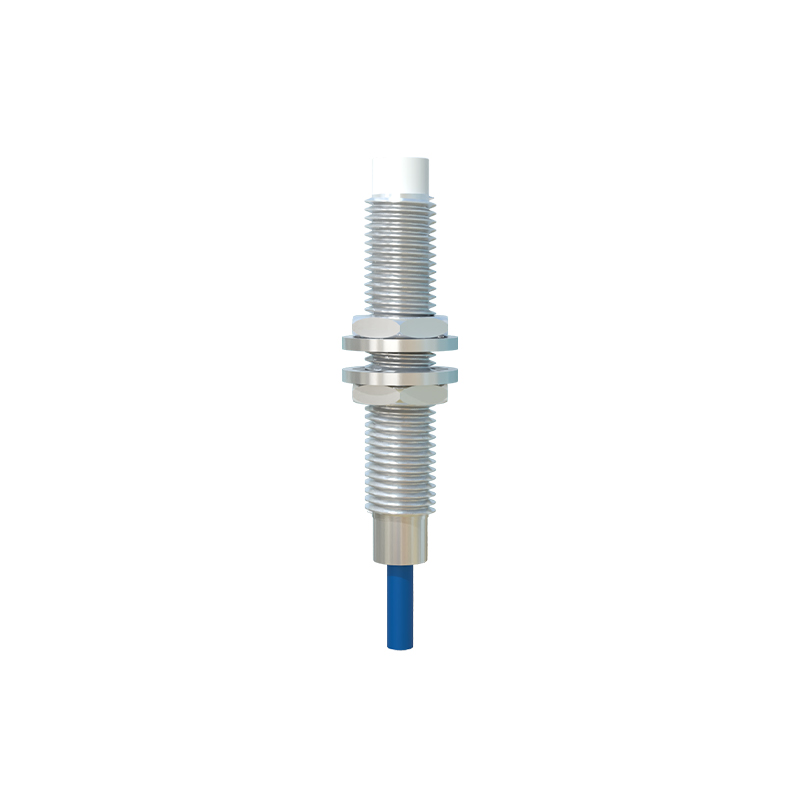
When selecting and installing a D2020 proximity sensor, engineers must consider factors like the target material, required sensing distance, environmental conditions (temperature, presence of chemicals), and electrical interface requirements. Proper shielding and mounting are necessary to avoid mutual interference between multiple sensors. Regular maintenance, though minimal, involves checking for physical damage and ensuring clean sensing faces to prevent false triggers.
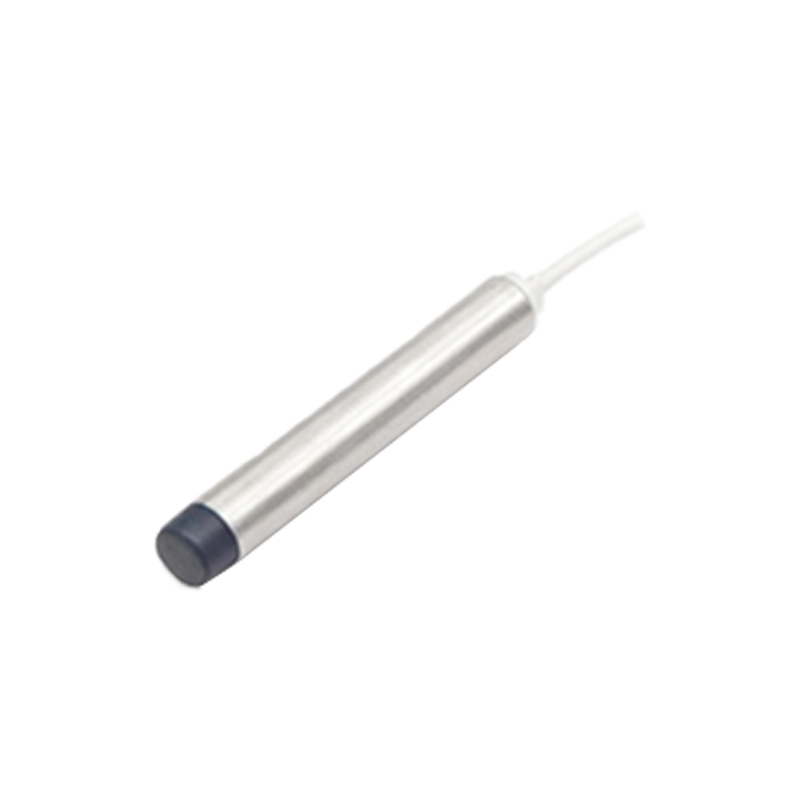
In conclusion, the D2020, commonly configured as a proximity sensor, is a robust and reliable component in modern industrial automation. Its ability to provide precise, non-contact detection enhances system efficiency, safety, and operational continuity. For any project, verifying the exact model specifications with the vendor is the definitive step to ensure it meets the application's precise proximity sensing needs.