In the realm of industrial automation and precision control, miniature ring proximity sensors have emerged as indispensable components, offering unparalleled reliability and efficiency. These compact devices are designed to detect the presence or absence of metallic objects without physical contact, leveraging electromagnetic fields to ensure seamless operation in demanding environments. Their small form factor, typically ranging from a few millimeters to centimeters in diameter, allows for integration into tight spaces where traditional sensors would be impractical. This makes them ideal for applications in robotics, conveyor systems, and assembly lines, where space constraints and high-speed operations are common challenges.
One of the standout features of miniature ring proximity sensors is their high sensitivity and accuracy. By utilizing advanced inductive technology, these sensors can detect ferrous and non-ferrous metals with minimal error margins, even at rapid detection speeds. This precision is crucial in industries such as automotive manufacturing, where components must be aligned and processed with exacting tolerances. Additionally, their non-contact nature reduces wear and tear, leading to lower maintenance costs and extended operational lifespans compared to mechanical switches. The sensors are often built with robust materials like stainless steel or industrial-grade plastics, ensuring resistance to dust, moisture, and temperature fluctuations, which enhances their durability in harsh settings like food processing or outdoor installations.
Another key advantage is the versatility in output options. Miniature ring proximity sensors are available with various output types, including NPN, PNP, and analog signals, allowing for compatibility with a wide range of control systems such as PLCs (Programmable Logic Controllers) and microcontrollers. This flexibility enables engineers to tailor sensor configurations to specific tasks, whether for simple on/off detection or complex positional feedback. For instance, in packaging machinery, these sensors can monitor product flow and trigger actuators to sort items based on size or material, optimizing production efficiency. Their low power consumption further contributes to energy savings, aligning with modern sustainability goals in industrial operations.
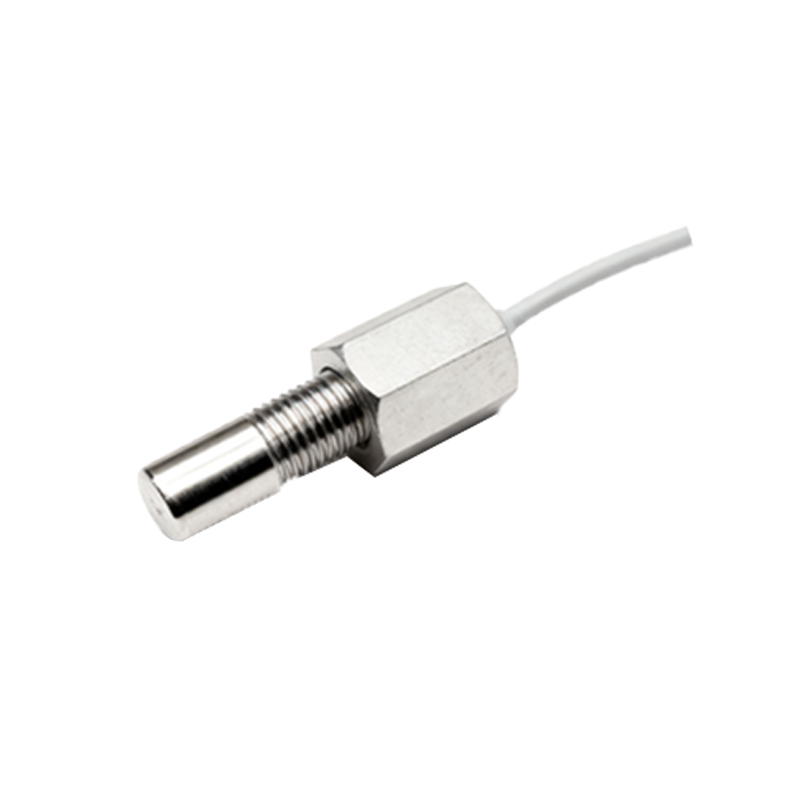
Installation and setup are streamlined due to the sensors' user-friendly design. Many models feature LED indicators for real-time status monitoring, simplifying troubleshooting and calibration. The ring-shaped structure allows objects to pass through the center, facilitating continuous detection in linear or rotational motions—common in applications like coil winding or thread detection in textiles. This design minimizes interference from surrounding materials, ensuring stable performance even in cluttered environments. Moreover, advancements in digital communication protocols, such as IO-Link, have enabled smarter sensor networks, where data on detection events and operational health can be transmitted for predictive maintenance and system optimization.
In summary, miniature ring proximity sensors represent a fusion of compactness, precision, and adaptability, driving innovation across sectors from electronics to heavy machinery. Their ability to enhance automation while reducing downtime makes them a cornerstone of modern industrial ecosystems. As technology evolves, these sensors are expected to incorporate more intelligent features, such as wireless connectivity and AI-driven analytics, further expanding their role in the Industry 4.0 landscape. For engineers and system integrators, understanding these characteristics is essential for leveraging their full potential in creating efficient, resilient, and future-ready solutions.