In the realm of industrial automation and machine safety, proximity sensors play a pivotal role in detecting the presence or absence of objects without physical contact. Among the various testing protocols, P9 testing stands out as a critical procedure to ensure the reliability, accuracy, and longevity of these sensors. This article delves into the intricacies of P9 testing, its importance, methodologies, and best practices for engineers and technicians in the electrical and automation industries.
Proximity sensors, including inductive, capacitive, and ultrasonic types, are integral to applications such as assembly line monitoring, robotic guidance, and safety interlocks. The P9 test, often referred to in industry standards, is designed to evaluate the sensor's performance under specific environmental and operational conditions. It typically involves assessing parameters like sensing distance, repeatability, response time, and immunity to electrical noise or temperature variations. The primary goal is to verify that the sensor meets the stringent requirements of modern industrial settings, where even minor malfunctions can lead to costly downtime or safety hazards.
The testing process begins with a thorough inspection of the sensor's physical condition and electrical connections. Engineers must ensure that the device is properly installed according to the manufacturer's specifications, as misalignment or loose wiring can skew test results. Next, the sensing distance is measured using calibrated targets that simulate real-world objects. This step is crucial for determining the sensor's effective range and ensuring it operates within the designated tolerances. Repeatability tests are then conducted by repeatedly introducing and removing the target to check for consistency in detection. A high repeatability value indicates a stable and reliable sensor, which is essential for precision applications.
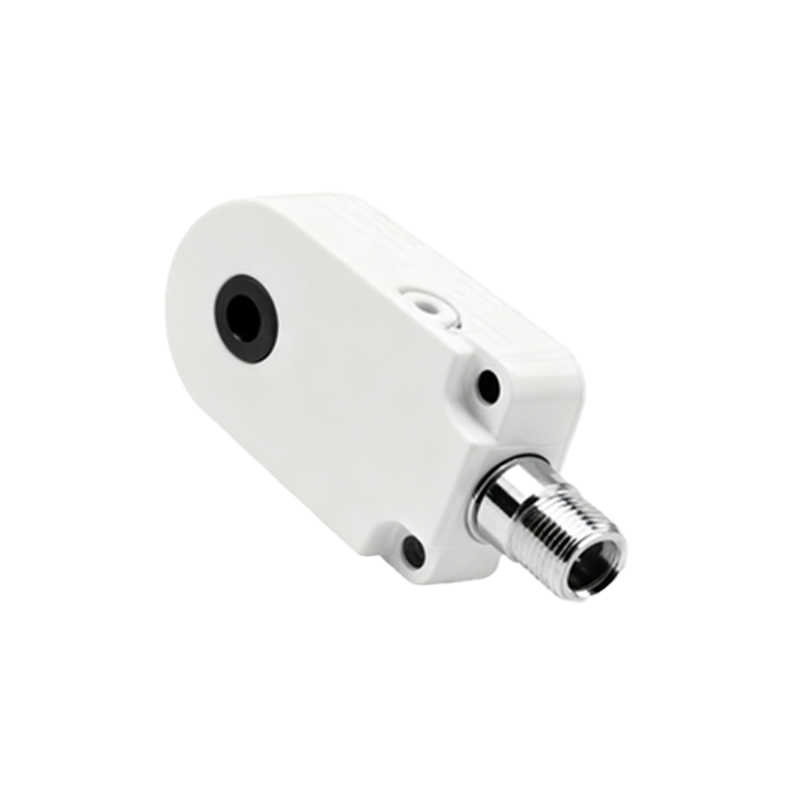
Response time testing is another key component of P9 testing. This involves measuring the time delay between the target entering the sensing field and the sensor's output signal change. In high-speed automation processes, a slow response can cause missed detections or system errors. Therefore, engineers use oscilloscopes or specialized timing instruments to capture and analyze these intervals, ensuring they fall within acceptable limits. Additionally, environmental factors such as temperature, humidity, and electromagnetic interference (EMI) are simulated to test the sensor's robustness. For instance, sensors may be subjected to temperature cycling from -20°C to 70°C to evaluate performance across extreme conditions.
Electrical noise immunity is particularly important in industrial environments filled with motors, drives, and other equipment that generate EMI. During P9 testing, sensors are exposed to controlled noise sources to assess their ability to maintain accurate operation without false triggering. This is often done using signal generators and amplifiers to create interference at various frequencies. Engineers also check the sensor's output characteristics, such as voltage or current levels, to ensure compatibility with control systems like PLCs (Programmable Logic Controllers).
Best practices for P9 testing include documenting all procedures and results in detail, using calibrated equipment to maintain accuracy, and adhering to relevant industry standards such as IEC 60947-5-2 for proximity switches. Regular testing schedules should be established based on the sensor's application criticality and operating environment. For example, sensors in harsh or high-vibration areas may require more frequent testing than those in controlled settings. Furthermore, training personnel on proper testing techniques is essential to avoid human error and ensure consistent outcomes.
In conclusion, P9 testing is a comprehensive approach to validating the performance of proximity sensors, safeguarding both operational efficiency and workplace safety. By following standardized methodologies and incorporating real-world simulations, engineers can identify potential issues early, optimize sensor selection, and extend equipment lifespan. As technology advances, with trends like IIoT (Industrial Internet of Things) enabling predictive maintenance, the role of rigorous testing like P9 will only grow in importance. Embracing these practices not only enhances system reliability but also contributes to a culture of quality and innovation in the electrical engineering field.