Proximity sensors are ubiquitous in modern technology, silently performing critical tasks in smartphones, industrial automation, vehicles, and security systems. A fundamental specification that defines their capability and application suitability is the maximum sensing range, often simply called the maximum distance. This parameter is not a single fixed value but a complex characteristic influenced by a confluence of factors inherent to the sensor's technology and the target object's properties.
At its core, the maximum range is the farthest distance at which a sensor can reliably detect the presence of an object and output a consistent signal. It's crucial to understand that this is typically defined under ideal, standardized conditions, which rarely mirror real-world applications. Manufacturers determine this value using a specific target, often a square of mild steel of a defined size (e.g., 1mm x 1mm), under controlled environmental conditions. Therefore, treating the datasheet value as an absolute guarantee can lead to system failures.
The primary determinant of maximum range is the underlying sensing technology. Inductive sensors, which generate an electromagnetic field, are designed exclusively for detecting metallic objects. Their range is relatively short, typically from a few millimeters up to about 60 millimeters for specialized models. The range is highly dependent on the metal type; ferrous metals like iron are detected at the nominal range, while non-ferrous metals like aluminum or copper may reduce the effective sensing distance significantly, sometimes by 40-60%.
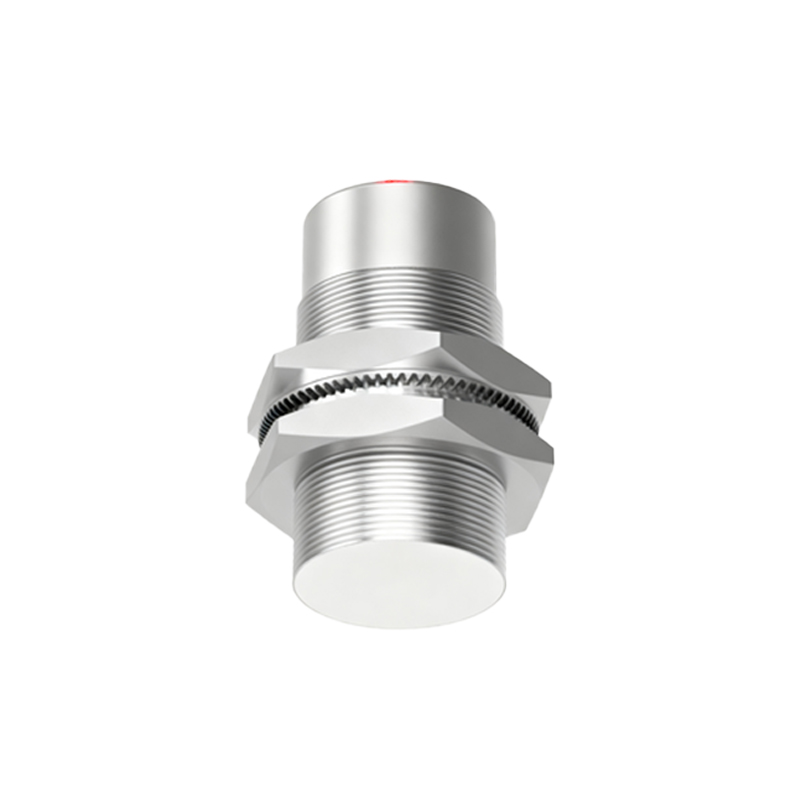
Capacitive sensors, which detect changes in an electrostatic field, can sense both metallic and non-metallic materials (plastics, wood, liquids). Their maximum range is generally shorter than inductive sensors, often maxing out around 25-30mm. The dielectric constant of the target material is the key variable here. Materials with high water content or high dielectric constants are detected more easily and at slightly longer ranges than dry, low-constant materials like wood or plastic.
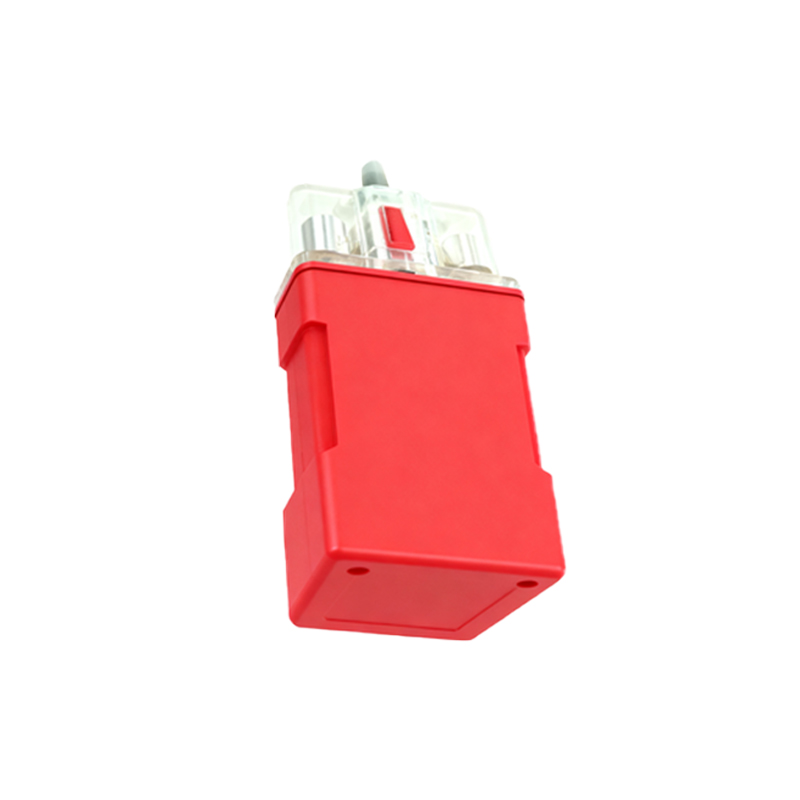
Ultrasonic sensors calculate distance by measuring the time-of-flight of sound waves. They boast the longest maximum ranges among common proximity sensors, with some models capable of sensing objects several meters away. Their performance is highly susceptible to environmental factors. Temperature changes affect the speed of sound, requiring compensation. The target's size, angle, and texture (hard, smooth surfaces reflect better than soft, porous ones) also dramatically influence the maximum reliable range. Acoustic noise and air turbulence can further degrade performance.
Photoelectric sensors, which use light beams (visible, infrared, or laser), offer a wide spectrum of maximum ranges, from a few centimeters to hundreds of meters. Diffuse-reflective models, where the sensor detects light reflected from the target, have moderate ranges. Through-beam models, with separate emitter and receiver units, achieve the longest maximum distances. Retro-reflective models fall in between. For all types, the target's color, reflectivity, size, and ambient light conditions are critical. A glossy white object will be detected at a much greater distance than a matte black object of the same size.
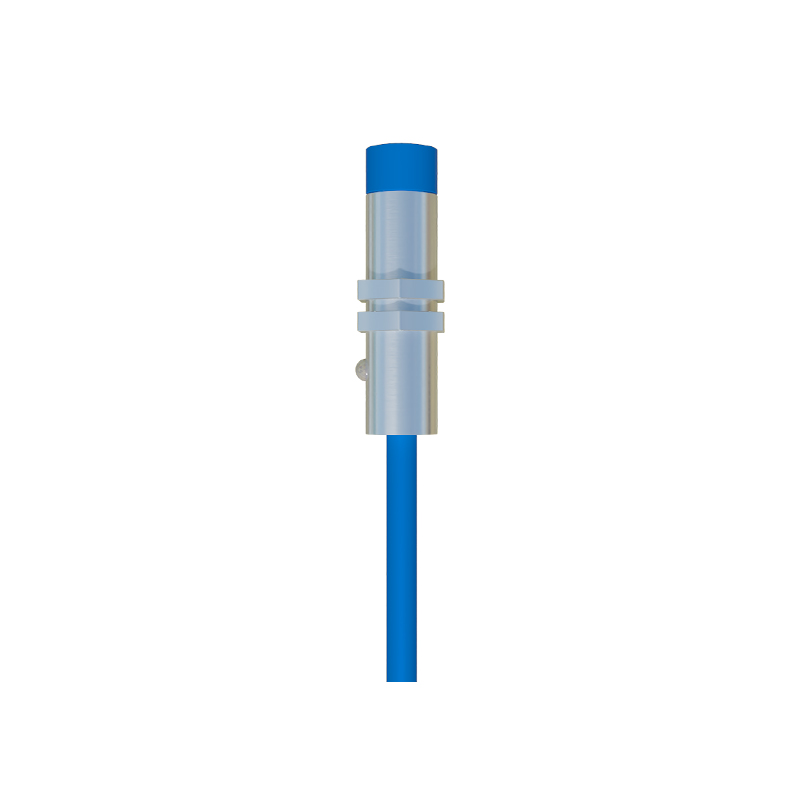
Beyond the core technology, several universal factors constrain the maximum achievable distance. The size of the target object is paramount. A sensor rated for a 20mm range with a standard target may only detect a very small screw at 5mm. Environmental contaminants like dust, oil, or condensation can coat the sensor face, attenuating signals (especially for optical and ultrasonic types). Electrical noise in industrial settings can interfere with sensor electronics, reducing reliability at the limits of its range. Finally, power supply voltage variations can slightly alter the sensor's output characteristics.
For engineers and designers, selecting a sensor based on maximum range requires a deliberate derating or application of a safety factor. A common practice is to select a sensor whose nominal maximum range is 1.5 to 2 times the required application distance. This buffer accounts for target material variations, environmental buildup, temperature drift, and ensures stable, long-term operation without false triggers or missed detections. Always consult the manufacturer's datasheet for detailed derating curves and application notes specific to the target material and environment.
In summary, the "maximum distance" of a proximity sensor is a useful starting point for comparison, but it is not a standalone performance metric. Effective implementation demands an understanding of the sensor technology's limitations and a careful consideration of the target, environment, and necessary safety margin to ensure robust and reliable operation in the field.