Face proximity sensors represent a significant advancement in modern sensing technology, designed to detect the presence and distance of a human face relative to a device. These sensors operate primarily using infrared (IR) light or time-of-flight (ToF) principles, emitting signals that bounce back upon encountering an object, such as a face. By analyzing the reflected signals, the sensor calculates proximity with high accuracy, typically within a range of a few centimeters to several decimeters. This technology has become integral to various consumer electronics, enhancing both functionality and user experience.
One of the most common applications of face proximity sensors is in smartphones. When a user brings the device close to their ear during a call, the sensor automatically turns off the display to prevent accidental touch inputs and conserve battery life. This feature not only improves usability but also reduces power consumption, a critical factor in mobile device design. Beyond phones, these sensors are employed in laptops and tablets to enable features like automatic screen dimming or sleep mode when the user moves away, contributing to energy efficiency.

In the automotive industry, face proximity sensors play a role in enhancing safety and convenience. They can be integrated into driver monitoring systems to detect if the driver's face is too close to the steering wheel or dashboard, potentially alerting for posture adjustments or activating airbags more precisely during collisions. Additionally, in-cabin infotainment systems use these sensors to detect user presence, allowing for intuitive controls without physical contact, which is especially valuable in maintaining hygiene and reducing wear.
Healthcare and assistive devices also benefit from this technology. For instance, in medical equipment, face proximity sensors can help ensure proper usage by verifying the user's position, such as in ophthalmology devices where correct distance is crucial for accurate measurements. In assistive technologies, they enable hands-free operation for individuals with mobility impairments, allowing control of devices through facial movements or proximity gestures.
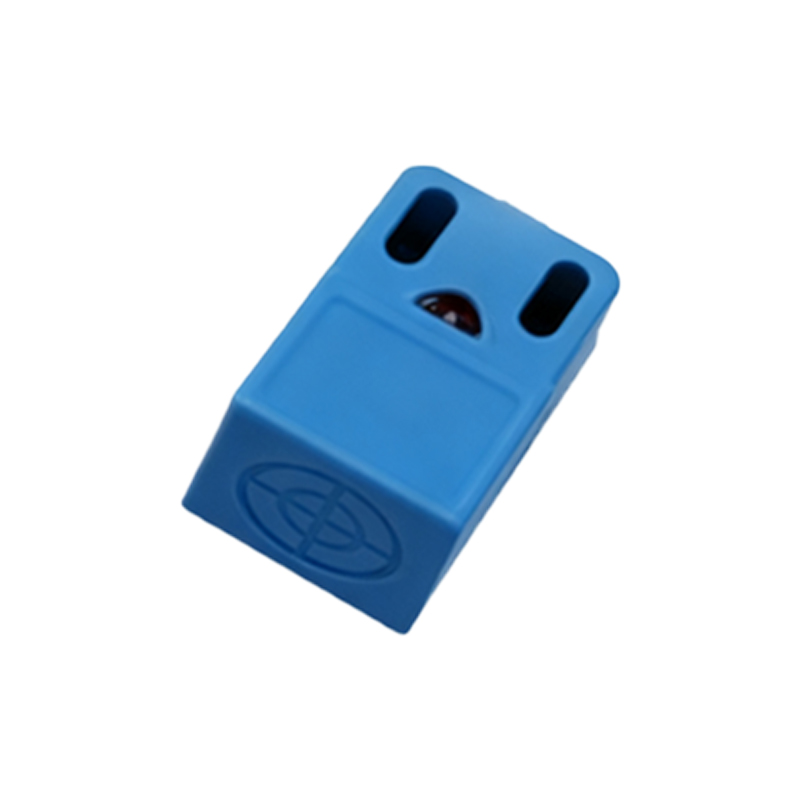
The working mechanism of face proximity sensors involves a combination of hardware and software components. Typically, an IR LED emits light, which is reflected by the face and captured by a photodiode or sensor array. The intensity or time delay of the reflected light is then processed by an embedded microcontroller or dedicated chip to determine distance. Advanced versions may incorporate machine learning algorithms to distinguish between a face and other objects, reducing false triggers. However, challenges such as interference from ambient light or varying skin tones can affect performance, leading to ongoing research into more robust solutions like multi-spectral sensing or adaptive calibration.
Privacy and security considerations are paramount with face proximity sensors, as they involve detecting biometric features. Manufacturers implement measures such as local data processing (without cloud transmission) and anonymization to protect user information. Regulations like GDPR in Europe and CCPA in California influence design practices, ensuring compliance with data protection standards. Users are generally advised to review device settings to understand how sensor data is used and stored.
Looking ahead, the evolution of face proximity sensors is likely to integrate with emerging technologies like augmented reality (AR) and the Internet of Things (IoT). In AR headsets, these sensors could adjust display focus based on facial distance, improving visual comfort. In smart homes, they might enable context-aware automation, such as turning lights on when a person approaches a mirror. Innovations in miniaturization and power efficiency will further expand their adoption across industries, from retail for customer engagement to industrial safety for worker monitoring.
In summary, face proximity sensors are versatile tools that bridge human interaction with digital systems, offering benefits in efficiency, safety, and accessibility. As technology advances, their applications will continue to grow, driven by demands for smarter, more responsive devices in an increasingly connected world.