Infrared proximity sensors are essential devices in modern industrial automation, offering non-contact detection capabilities across diverse environments. These sensors operate by emitting infrared light and measuring the reflected signal to determine the presence or distance of objects. Understanding the core components of an infrared proximity sensor is crucial for engineers to optimize performance, ensure reliability, and facilitate proper maintenance.
The primary component is the infrared emitter, typically an infrared LED (Light Emitting Diode). This emitter generates infrared light at a specific wavelength, commonly around 880 nm to 950 nm, which is invisible to the human eye. The choice of wavelength affects the sensor's performance in different conditions, such as its immunity to ambient light interference. High-quality emitters provide consistent output, which is vital for stable detection ranges and accuracy.
Opposite the emitter is the photodetector, usually a phototransistor or photodiode. This component is sensitive to the same wavelength of infrared light emitted. Its function is to receive the light reflected from a target object and convert the optical signal into an electrical current. The sensitivity and response time of the photodetector directly influence the sensor's ability to detect fast-moving objects or subtle changes in proximity.
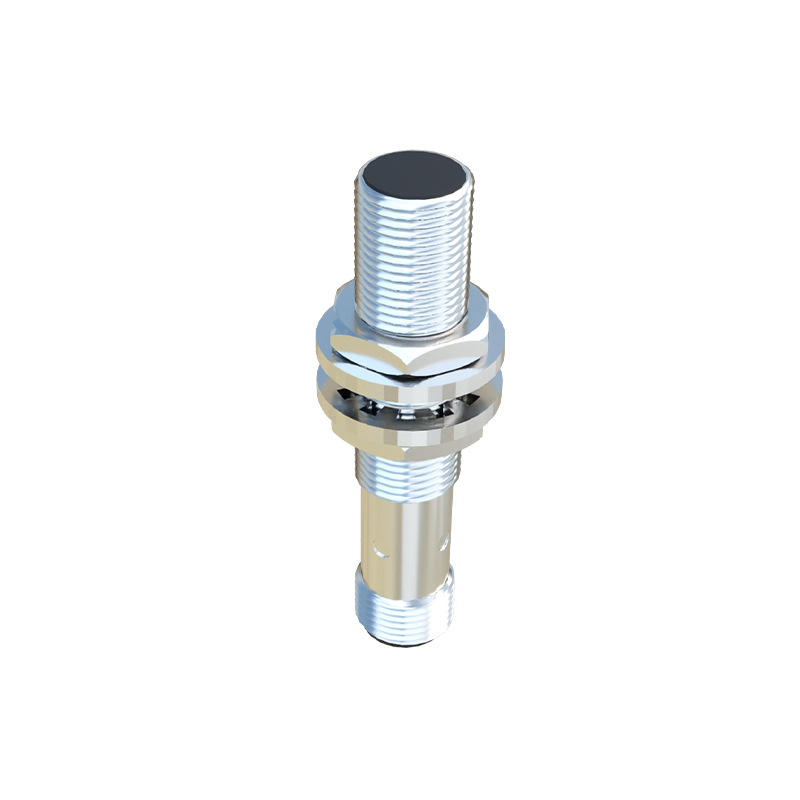
Integral to the sensor's operation is the optical system, comprising lenses and filters. Lenses focus the emitted infrared light into a beam and collect the reflected light onto the photodetector. This focusing enhances detection range and directionality. Filters, often integrated into the lens assembly, help block visible light and other unwanted wavelengths, reducing false triggers from ambient light sources like sunlight or artificial lighting.
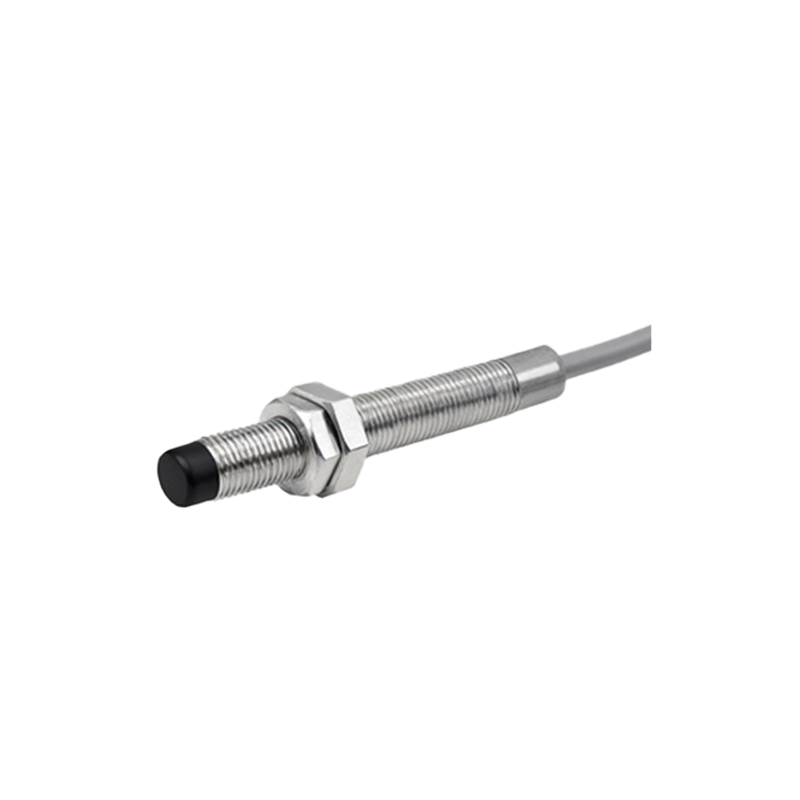
The signal processing circuit is the electronic brain of the sensor. It typically includes an oscillator to modulate the emitted infrared light, making it easier to distinguish from background IR radiation. The circuit amplifies the weak signal from the photodetector, filters out noise, and processes it to generate a clear output. Advanced sensors incorporate microcontrollers for digital signal processing, enabling features like adjustable sensing ranges, temperature compensation, and output signal conditioning (e.g., analog voltage, current, or digital signals such as PNP/NPN).
Housing and structural elements provide mechanical protection and environmental sealing. Industrial-grade sensors feature robust housings made from materials like stainless steel or engineered plastics, with ingress protection (IP) ratings (e.g., IP67) to withstand dust, moisture, and physical impacts. Proper housing design also ensures precise alignment between the emitter and detector, which is critical for consistent performance.
Output interface components deliver the detection result to control systems. These may include transistors for switching outputs, operational amplifiers for analog outputs, or integrated communication modules for protocols like IO-Link. The output stage must match the electrical requirements of the connected PLCs (Programmable Logic Controllers) or other industrial controllers.
Power management components, such as voltage regulators and protection circuits, ensure stable operation despite fluctuations in the supply voltage. They guard against reverse polarity, overvoltage, and electrical noise, which are common in industrial settings.
In application, the synergy of these components allows infrared proximity sensors to perform reliably in challenging conditions—from detecting objects on high-speed conveyor belts to positioning robotic arms. Engineers must consider factors like target material (as reflectivity affects performance), environmental contaminants, and temperature ranges when selecting or designing sensors. Regular maintenance, such as cleaning optical surfaces, helps sustain accuracy over time.
As Industry 4.0 advances, innovations in component technology continue to enhance sensor capabilities. Developments in high-power IR LEDs, low-noise photodetectors, and intelligent processing algorithms are pushing the boundaries of precision, speed, and connectivity, solidifying the role of infrared proximity sensors in smart factories and automated systems.