Ultrasonic proximity sensors have become indispensable components in modern industrial automation, robotics, and smart systems. These devices operate by emitting high-frequency sound waves and measuring the time it takes for the echo to return, enabling precise, non-contact detection of objects regardless of their material, color, or surface texture. The market for these sensors is driven by the relentless push towards Industry 4.0, where reliable and accurate sensing is critical for efficiency and safety. Several companies stand at the forefront of this technology, continuously pushing the boundaries of performance, integration, and application scope.
Leading the charge are established global electronics and automation giants. Companies like Siemens AG, with its extensive Simatic and Siemens Ultrasonic sensor portfolios, offer robust solutions designed for harsh industrial environments. Their sensors are renowned for high immunity to environmental interference such as dust, steam, or light, making them staples in manufacturing and process automation. Similarly, Pepperl+Fuchs, a German specialist in sensor technology and intrinsic safety, provides a wide array of ultrasonic sensors known for exceptional reliability and advanced features like programmable switching outputs and IO-Link communication for seamless Industry 4.0 integration. Their expertise in hazardous areas is particularly notable.
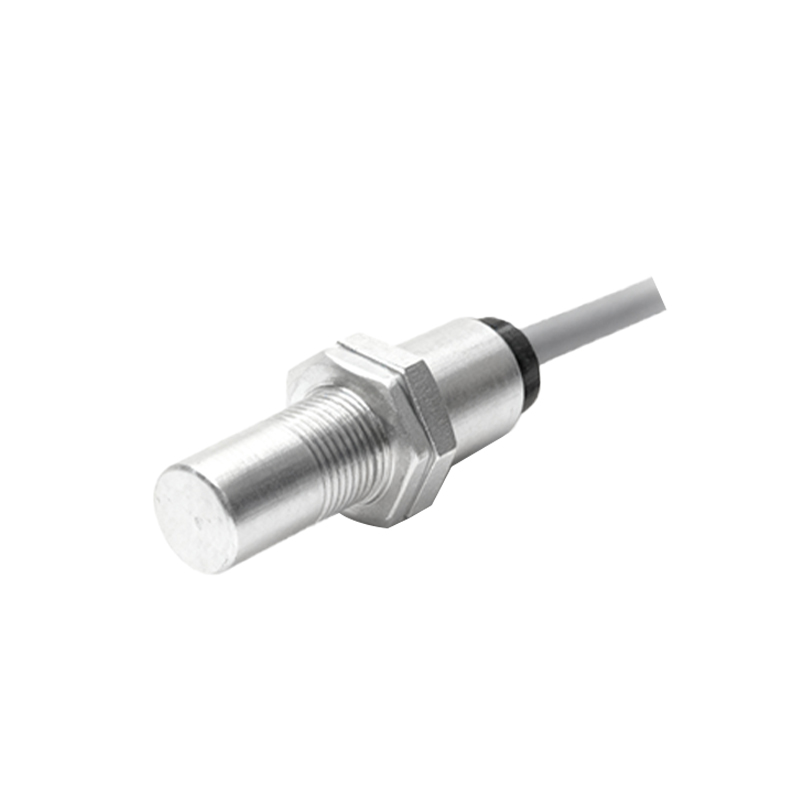
From the United States, Banner Engineering Corp. is a dominant force. Recognized for innovation and user-friendly design, Banner's ultrasonic sensors often feature patented technologies that simplify setup and enhance performance. Their QS18, Q45, and MINI-ARRAY series are widely adopted in packaging, material handling, and automotive applications. Another key player, Rockwell Automation (through brands like Allen-Bradley), integrates ultrasonic sensing into its broader control and information solutions, emphasizing connectivity and data exchange within the Connected Enterprise framework.
Japanese precision is well-represented by Omron Corporation and Keyence Corporation. Omron's E4C and E4B series sensors are celebrated for their compact size, high accuracy, and resistance to harsh conditions, serving sectors from factory automation to automotive assembly. Keyence, on the other hand, is often associated with ultra-high-performance and specialized sensing. Their ultrasonic sensors frequently incorporate advanced algorithms for edge detection, transparent object sensing, and precise distance measurement, catering to demanding and innovative applications in electronics manufacturing and precision engineering.
The landscape also features strong European specialists. Baumer, a Swiss sensor and encoder manufacturer, offers ultrasonic sensors praised for their quality, flexibility (with many customizable options), and excellent signal stability. SICK AG, another German powerhouse, provides a comprehensive range of ultrasonic sensors that are integral to its safety systems, logistics automation, and process control solutions, emphasizing diagnostic capabilities and networkability.
Emerging trends are shaping the strategies of these companies. The integration of IO-Link is becoming standard, transforming simple sensors into smart data points that provide condition monitoring, parameterization, and diagnostic information. There is also a clear drive towards miniaturization without sacrificing range or performance, enabling integration into smaller machines and collaborative robots. Furthermore, companies are developing sensors with enhanced software capabilities, such as advanced echo processing to ignore background objects or to detect multiple objects in the beam path.
The choice of an ultrasonic proximity sensor company depends heavily on the specific application requirements—range, beam angle, output type, housing material, and communication protocol. However, the common thread among all leaders is a commitment to reliability, innovation, and supporting the digital transformation of industry. They are not merely selling sensors; they are providing critical perception tools that enable autonomous systems, prevent collisions, ensure precise positioning, and optimize logistical flows. As applications expand into autonomous guided vehicles (AGVs), smart agriculture, and energy management, the role of these specialized companies will only grow in significance, continually refining a technology that allows machines to "see" with sound.