Proximity sensors are indispensable components in modern industrial automation, and Sodilong has established itself as a prominent brand known for reliability and precision. This guide provides a detailed, professional overview of how to effectively use Sodilong proximity sensors in various electrical and automation applications. Understanding their proper implementation is crucial for ensuring system stability, safety, and optimal performance.
Sodilong proximity sensors are primarily non-contact devices that detect the presence or absence of an object within their sensing range. They operate on different principles, including inductive, capacitive, and magnetic sensing. Inductive sensors are the most common in industrial settings, ideal for detecting metallic objects. Capacitive sensors can detect both metallic and non-metallic materials, such as liquids, plastics, and wood. The first step in using any Sodilong sensor is to correctly identify the sensor type (e.g., inductive model PL-05N, capacitive model PC-12M) and its specifications from the datasheet. Key parameters include sensing distance, supply voltage (typically 10-30V DC or 90-250V AC), output type (NPN/PNP, NO/NC), and housing material (often nickel-plated brass or stainless steel for durability).
Proper installation is fundamental. Ensure the sensor is mounted securely to prevent vibration-induced false triggers. For inductive sensors, maintain the specified nominal sensing distance (Sn). A common mistake is installing the sensor too close to the target, which can cause overheating or reduced lifespan. Always respect the manufacturer's recommended lateral and axial distances from other metal objects to avoid mutual interference. For flush-mountable models, they can be embedded in metal, while non-flush types require a metal-free zone around the sensing face. Electrical wiring must be performed with the system power OFF. Connect the brown wire (typically) to the positive DC supply, the blue wire to the negative/common, and the black wire (for NPN normally open) to the load (e.g., a PLC input or relay coil). For PNP sensors, the black wire is the positive output. Always use shielded cables in electrically noisy environments and ground the shield at one end to the control panel earth to minimize electromagnetic interference (EMI).
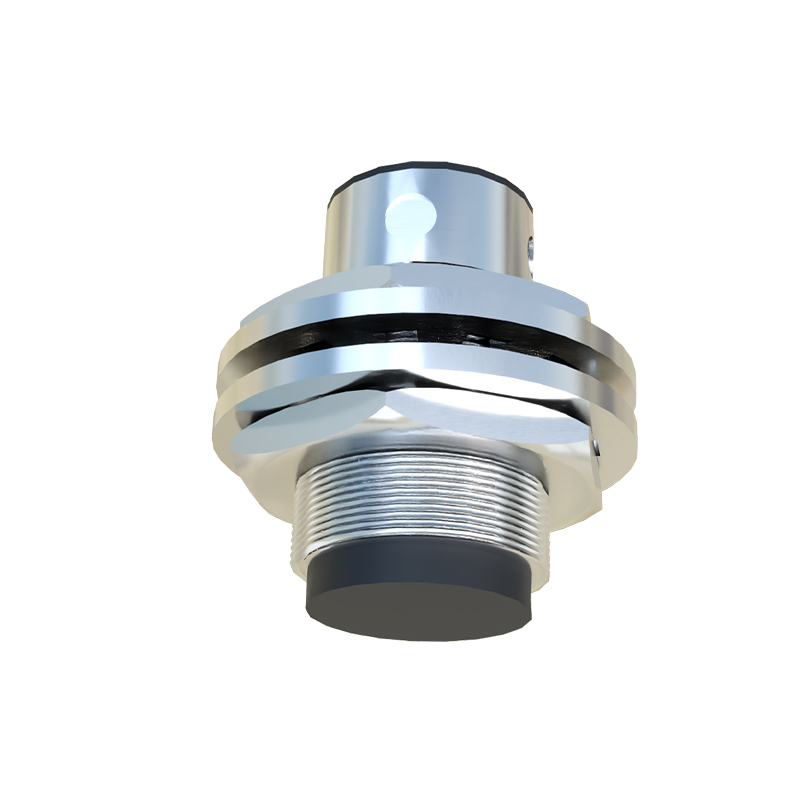
Configuration and adjustment follow installation. Many Sodilong sensors feature a potentiometer or teach-in function for sensitivity adjustment. For capacitive sensors, this is critical for tuning out background materials or adjusting for different target substances. Use a non-metallic screwdriver to adjust the potentiometer while observing the sensor's indicator LED. Turn it until the LED just lights up when the target is at the desired detection point, then turn it slightly back to ensure a stable operating point with a margin for environmental changes. For applications requiring precise positioning, consider sensors with analog current (4-20mA) or voltage (0-10V) outputs, which provide continuous distance information rather than a simple on/off switch.
Integration into a control system, such as a Programmable Logic Controller (PLC), is the next phase. Connect the sensor output to a PLC digital input module. Ensure the PLC input's voltage rating matches the sensor's output signal. Write the ladder logic or structured text program to interpret the sensor's signal. For instance, a sensor detecting a part on a conveyor might trigger a pneumatic cylinder or increment a counter. Implement software debouncing if necessary, as physical vibration can cause signal chatter, though high-quality Sodilong sensors have built-in hysteresis to prevent this.
Troubleshooting is an essential skill. If a sensor fails to operate, follow a systematic approach. First, verify power supply voltage with a multimeter at the sensor's terminals. Second, check the indicator LED status. A constantly lit LED may indicate a wiring error or a sensor stuck in the detected state. Third, inspect for physical damage, contamination (oil, metal chips), or excessive wear on the sensing face. Ensure the target object is within the specified sensing range and is of the correct material and size. For inductive sensors, different metals affect the sensing distance; steel has a factor of 1, while aluminum or copper reduces it significantly. Consult the correction factor chart in the manual. Finally, test by replacing the sensor with a known working unit to isolate the fault.
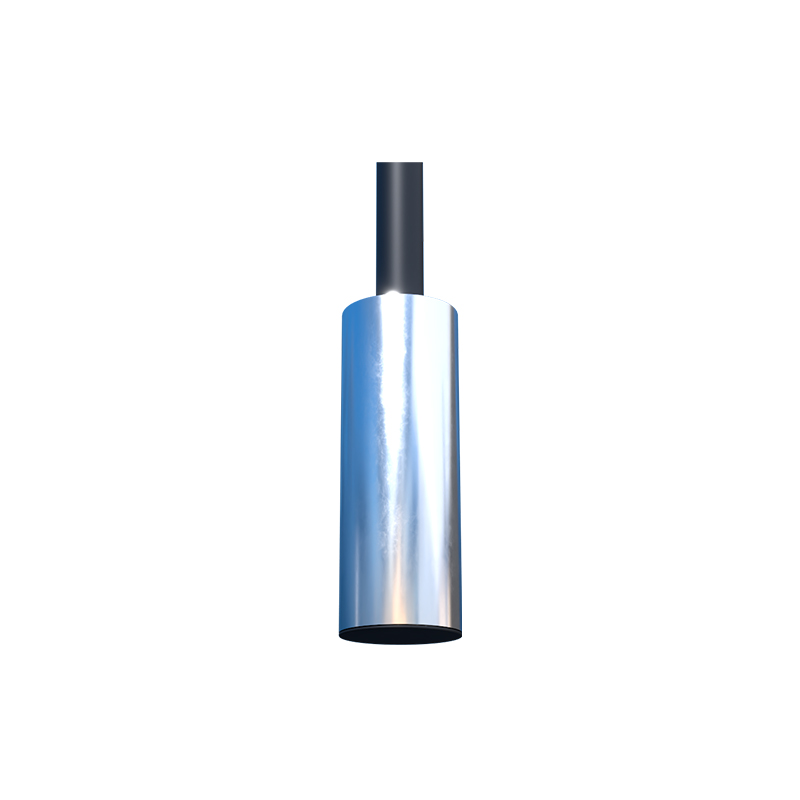
Advanced applications involve using Sodilong sensors in harsh environments. Models with IP67, IP68, or IP69K ratings are suitable for washdown areas or outdoor use. For high-temperature applications, select sensors with an extended temperature range. In high-speed counting or packaging lines, ensure the sensor's response frequency (switching frequency) exceeds the required pulse rate. For example, a sensor with a 1kHz response can reliably detect 1000 objects per second. Always consider environmental factors like ambient temperature, humidity, and the presence of chemicals, which can influence sensor selection and longevity.
Regular maintenance ensures long-term reliability. Periodically