Universal proximity sensors are indispensable components in modern industrial automation and beyond, offering non-contact detection of objects without physical interaction. These versatile devices operate on various principles, including inductive, capacitive, ultrasonic, and photoelectric technologies, each suited to specific environmental and material conditions. Their ability to function reliably in harsh environments—such as extreme temperatures, dust, moisture, or vibration—makes them a cornerstone of efficiency and safety across diverse sectors.
In manufacturing and assembly lines, inductive proximity sensors are widely employed for metal detection. They monitor the presence or absence of components, count items on conveyor belts, and ensure precise positioning in robotic arms. For instance, in automotive production, these sensors verify that engine parts are correctly aligned before welding, reducing errors and downtime. Capacitive sensors, capable of detecting non-metallic materials like plastics, wood, or liquids, are essential in packaging industries. They control filling levels in containers, detect label placement on bottles, and manage material handling in food processing, where hygiene and speed are critical.
The logistics and warehousing sector relies heavily on photoelectric sensors for object detection over longer distances. These sensors facilitate automated sorting systems, guide autonomous guided vehicles (AGVs) along pathways, and secure loading docks by monitoring door positions. Ultrasonic sensors, with their ability to measure distance and detect transparent or reflective surfaces, are pivotal in level monitoring for silos or tanks containing liquids or granular materials. In agriculture, they optimize irrigation systems by assessing water levels, while in construction, they enhance vehicle safety through obstacle detection.
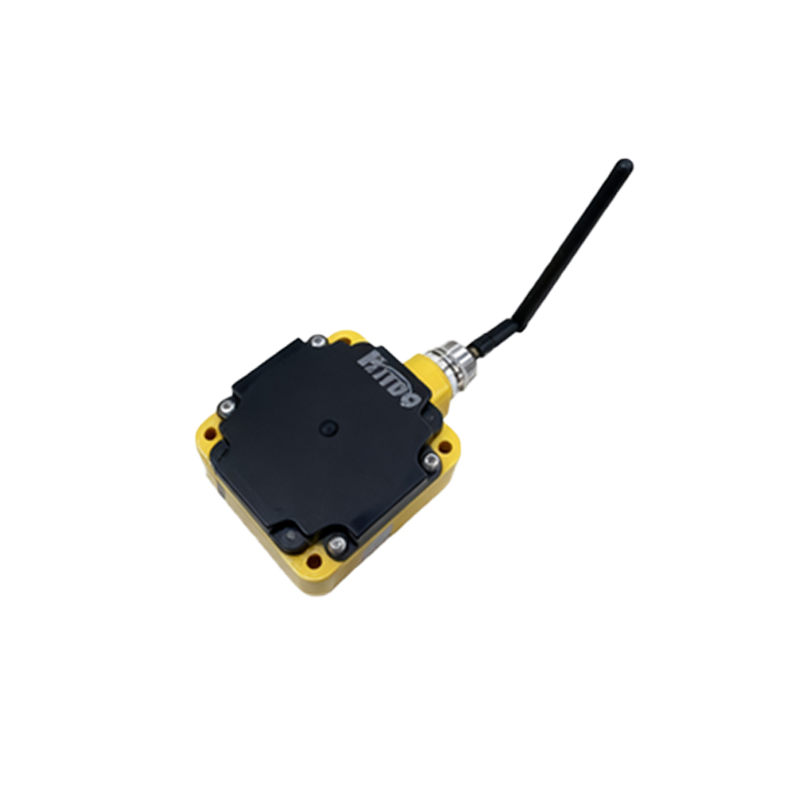
Beyond industrial settings, universal proximity sensors enhance everyday technology. In consumer electronics, they enable touchless faucets, automatic hand dryers, and smartphone screen dimming during calls. Automotive applications include parking assistance systems, collision avoidance, and adaptive lighting that adjusts based on surrounding vehicles. Healthcare benefits from sensors in medical devices, such as infusion pumps that detect fluid presence or diagnostic equipment ensuring sterile conditions.
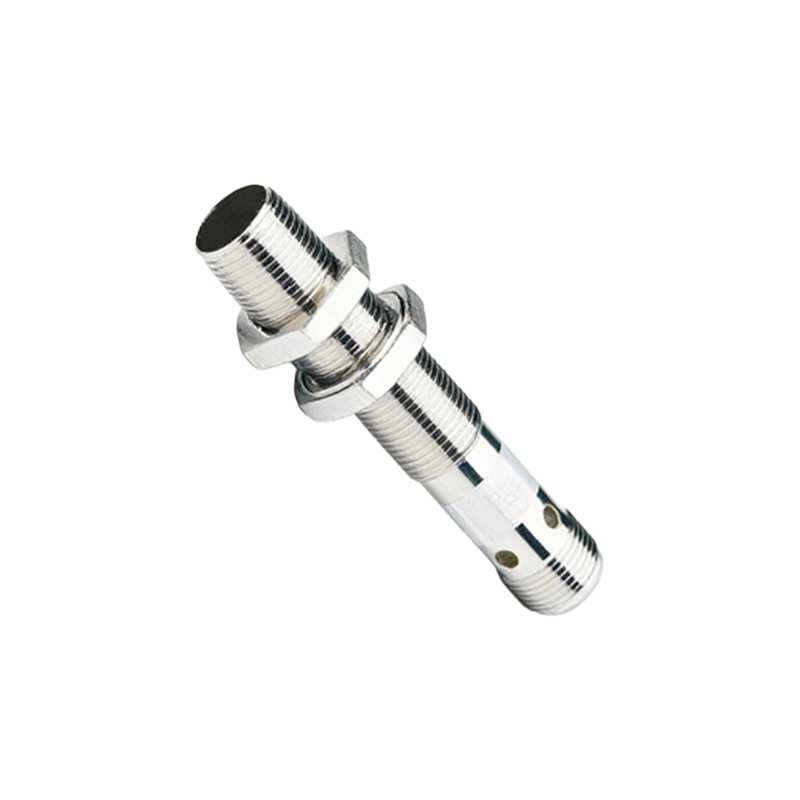
Energy efficiency is another significant advantage. By automating lighting and HVAC systems in commercial buildings, proximity sensors reduce energy consumption—lights turn on only when occupancy is detected, and climate control adapts to room usage. In smart cities, they contribute to traffic management by monitoring vehicle flow at intersections, improving safety and reducing congestion.
Selecting the right sensor involves considering factors like detection range, material composition, environmental resilience, and output type (e.g., digital or analog). Regular maintenance, such as cleaning lenses or checking alignment, ensures longevity and accuracy. As Industry 4.0 advances, these sensors are increasingly integrated with IoT networks, providing real-time data for predictive maintenance and process optimization.
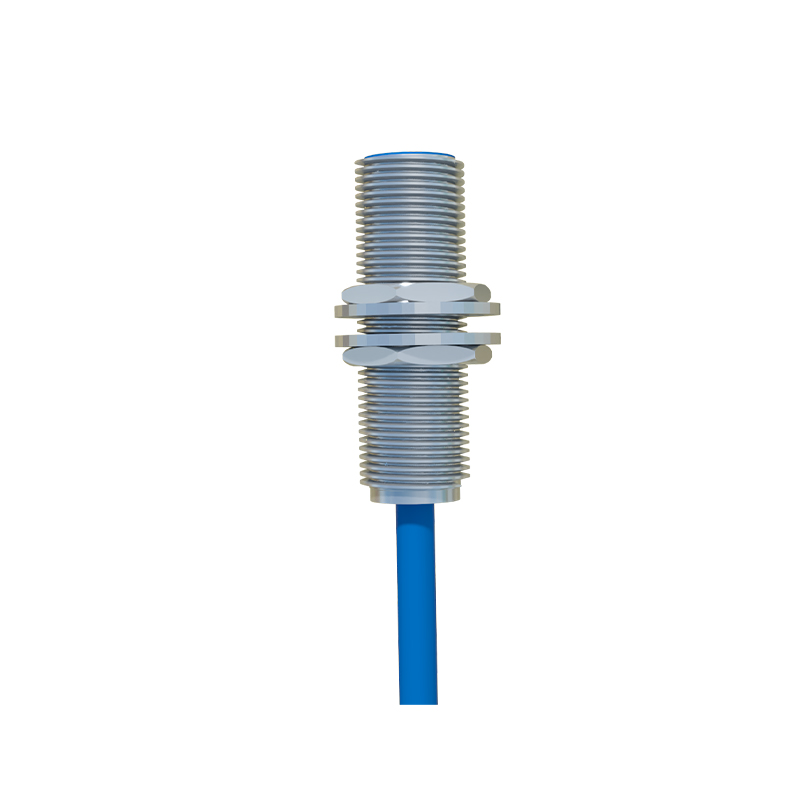
In summary, universal proximity sensors are vital for automation, safety, and efficiency. Their adaptability across industries—from heavy manufacturing to delicate healthcare—showcases their role as enablers of innovation. By understanding their applications, engineers and technicians can leverage these devices to build smarter, more responsive systems that meet evolving technological demands.