In the rapidly evolving landscape of industrial automation, intelligent proximity sensors have become indispensable components, enabling precise detection, enhanced safety, and optimized operational efficiency. These sensors, which utilize technologies such as inductive, capacitive, ultrasonic, and photoelectric principles, are designed to detect the presence or absence of objects without physical contact. The integration of smart features like IO-Link, self-diagnostics, and adaptive sensing capabilities has further elevated their role in modern manufacturing and processing environments. This article explores leading brands that are setting benchmarks in the intelligent proximity sensor market, focusing on their innovations, reliability, and application-specific solutions.
Siemens stands out as a global powerhouse in automation technology, offering a comprehensive range of intelligent proximity sensors under its SIMATIC and SIRIUS portfolios. Siemens sensors are renowned for their robustness, high switching frequencies, and seamless integration into Totally Integrated Automation (TIA) systems. Features such as condition monitoring and predictive maintenance alerts via IO-Link communication make them ideal for demanding industrial settings, from automotive assembly lines to food processing plants. The brand’s commitment to digitalization ensures that its sensors contribute to data-driven decision-making, aligning with Industry 4.0 trends.
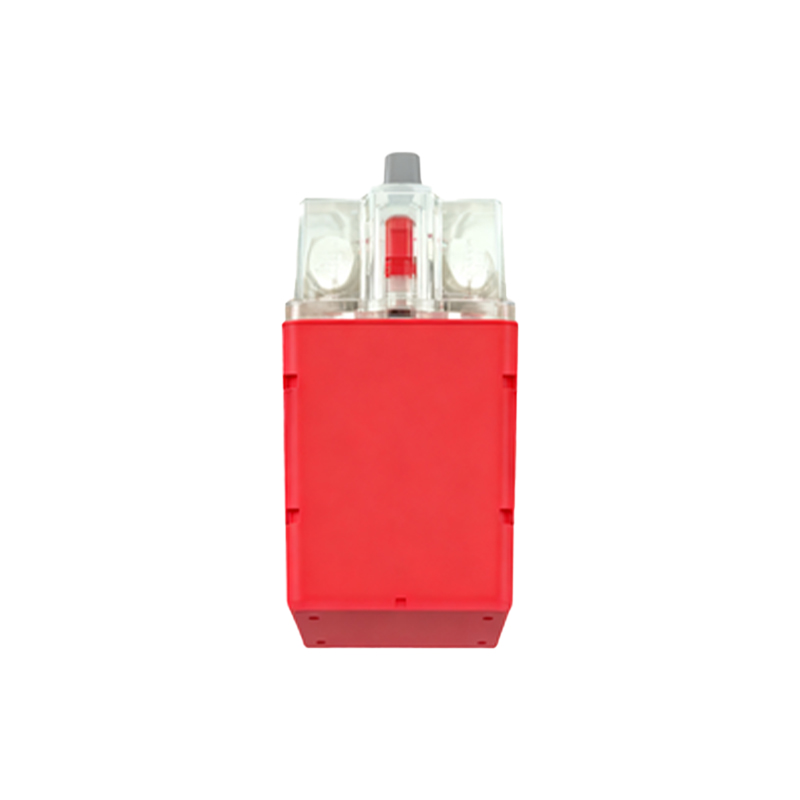
Another key player is Omron, a Japanese manufacturer celebrated for its precision and innovation in sensing technology. Omron’s E2E and E2A series of inductive proximity sensors incorporate advanced algorithms for noise resistance and temperature stability, ensuring consistent performance in harsh environments. Their smart sensors often include built-in diagnostics that alert users to issues like sensor misalignment or contamination, reducing downtime. Omron’s focus on miniaturization has also led to compact designs suitable for space-constrained applications, such as robotics and electronic device manufacturing.
Rockwell Automation, through its Allen-Bradley brand, provides intelligent proximity sensors that excel in North American and global markets. The Allen-Bradley 871TM series, for example, offers versatile sensing modes with embedded intelligence for easy configuration and troubleshooting. These sensors support Ethernet/IP and other industrial protocols, facilitating connectivity within the Integrated Architecture framework. Rockwell’s emphasis on durability and compliance with international standards (e.g., IEC, UL) makes their products a preferred choice for heavy industries like mining and energy.
Pepperl+Fuchs, a German specialist in sensor technology, is acclaimed for its high-quality and innovative proximity solutions. The brand’s inductive and capacitive sensors are engineered with features such as teach-in functionality and analog output for precise distance measurement. Pepperl+Fuchs places a strong emphasis on explosion-proof designs, catering to hazardous areas in chemical or pharmaceutical sectors. Their IO-Link-enabled sensors enhance transparency in production processes by providing detailed parameterization and real-time data exchange.
Balluff, another German leader, offers a diverse portfolio of intelligent proximity sensors known for their flexibility and performance. Balluff’s BIS series, for instance, includes sensors with multi-color LED indicators for visual status feedback and quick setup. The brand’s expertise in RFID and networking allows for seamless integration into automated identification systems. Balluff sensors are widely used in packaging, material handling, and machine tool industries, where reliability and speed are critical.
Turck, with its global presence, delivers robust proximity sensors designed for extreme conditions. Turck’s Q series features high-grade stainless steel housings and immunity to electromagnetic interference, making them suitable for washdown environments or outdoor use. Their intelligent sensors often incorporate plug-and-play functionality with bus systems like PROFINET, simplifying installation and maintenance. Turck’s solutions are particularly valued in automotive, agriculture, and logistics applications.
When selecting an intelligent proximity sensor brand, factors such as environmental resilience, communication protocols, and lifecycle support should be considered. The convergence of sensing with IoT platforms is driving future innovations, including edge computing capabilities and enhanced cybersecurity features. As industries strive for greater autonomy and efficiency, these top brands continue to push boundaries, offering sensors that not only detect but also communicate and adapt, paving the way for smarter factories. Ultimately, investing in reputable brands ensures long-term reliability, reduced operational costs, and alignment with sustainable automation goals.