In the dynamic landscape of industrial automation, precision and reliability are non-negotiable. The Takexa TAKEXA22810 proximity sensor stands as a testament to engineering excellence, designed to meet the rigorous demands of modern manufacturing and control systems. As a non-contact sensing solution, it detects the presence or absence of metallic objects without physical interaction, thereby minimizing wear and tear and ensuring long-term operational stability. This article delves into the technical specifications, operational principles, and key applications of the TAKEXA22810, highlighting its role in enhancing efficiency across diverse industrial sectors.
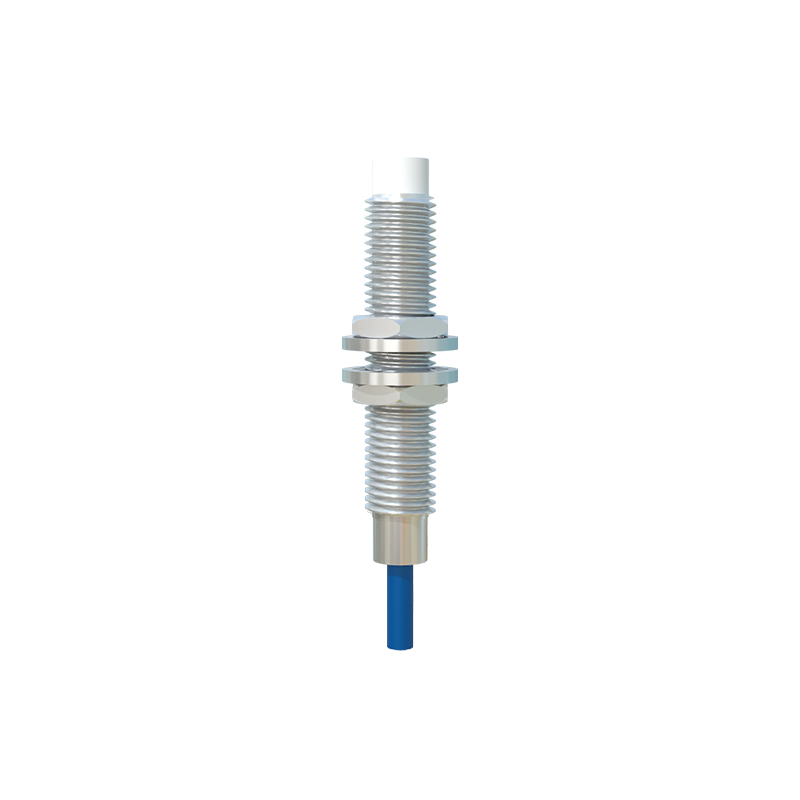
The TAKEXA22810 is an inductive proximity sensor, leveraging electromagnetic fields to detect ferrous and non-ferrous metals. Its core functionality revolves around an oscillator circuit that generates a high-frequency magnetic field. When a metallic target enters this field, eddy currents are induced, causing a change in the oscillator's amplitude. This alteration is detected by the sensor's circuitry, triggering an output signal—typically in the form of a switching action via PNP or NPN configurations. The sensor operates on a standard DC voltage range, commonly 10-30V DC, making it compatible with most industrial power supplies. With a sensing distance optimized for its housing size, it offers consistent performance even in challenging environments characterized by dust, moisture, or temperature fluctuations.
Key technical features of the Takexa TAKEXA22810 include a robust housing constructed from materials like nickel-plated brass or stainless steel, ensuring resistance to corrosion and mechanical stress. It boasts a high switching frequency, enabling rapid detection in high-speed applications such as conveyor systems or robotic assembly lines. The sensor's built-in LED indicator provides real-time status feedback, simplifying installation and troubleshooting. Additionally, it incorporates short-circuit and reverse polarity protection, safeguarding both the sensor and connected equipment from electrical faults. These attributes make it a versatile component in automated processes where downtime is costly.
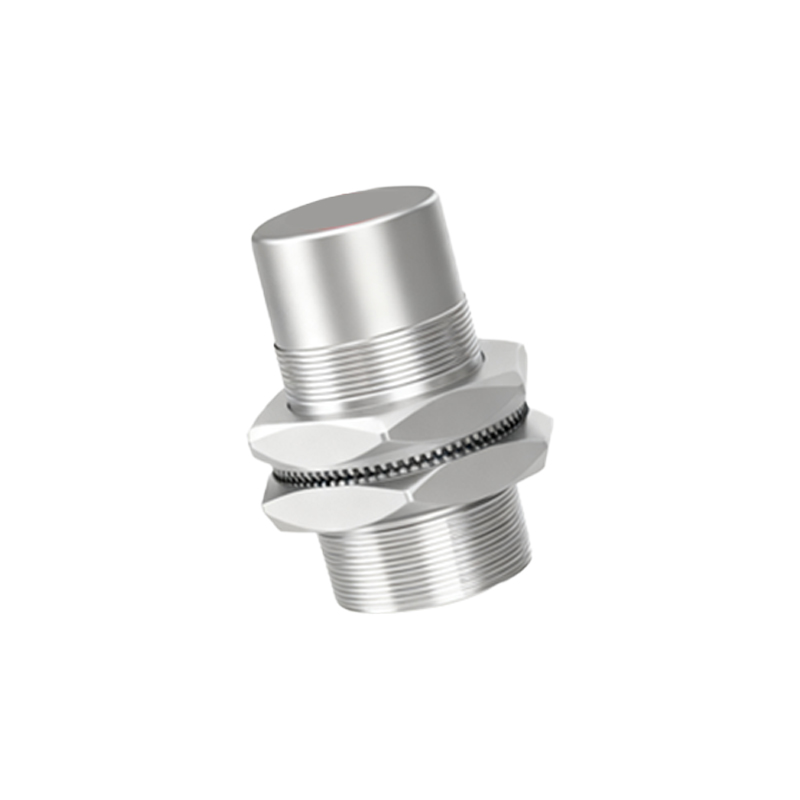
In practical applications, the TAKEXA22810 finds widespread use across multiple industries. In automotive manufacturing, it monitors part positioning on assembly robots, ensuring precise welding or fitting operations. Within packaging machinery, it detects metal containers or lids, synchronizing filling and capping sequences. The sensor also plays a critical role in material handling, where it verifies the presence of metal pallets or guides automated storage systems. Its ability to function reliably in temperatures ranging from -25°C to 70°C further extends its utility to outdoor or harsh indoor settings, such as in agricultural equipment or metal fabrication shops.
When integrating the TAKEXA22810, engineers must consider factors like target material, size, and installation alignment to maximize sensing accuracy. For instance, larger metallic objects may be detected at greater distances, while smaller targets require closer proximity. Proper shielding and grounding are recommended to mitigate electromagnetic interference from nearby motors or frequency drives. Regular maintenance, though minimal, involves cleaning the sensing face to prevent debris accumulation that could impair performance. Compared to capacitive or ultrasonic sensors, the inductive nature of the TAKEXA22810 makes it specifically suited for metal detection, offering a cost-effective solution with low power consumption and high durability.
Looking ahead, the evolution of Industry 4.0 and IoT-driven systems underscores the importance of sensors like the TAKEXA22810. Its compatibility with PLCs (Programmable Logic Controllers) and networked environments enables seamless data exchange for predictive maintenance and process optimization. As factories strive for greater automation, the demand for reliable proximity sensing will only grow. The Takexa TAKEXA22810, with its proven track record, continues to be a cornerstone in building resilient and efficient industrial ecosystems. For engineers and system integrators, selecting this sensor translates to reduced operational risks and enhanced productivity, solidifying its status as a go-to choice in the global market.
SEO Keywords:Takexa TAKEXA22810, inductive proximity sensor, industrial automation, metal detection, non-contact sensing
SEO Description:The Takexa TAKEXA22810 is an inductive proximity sensor designed for reliable metal detection in industrial automation. It features durable construction, high-speed switching, and robust performance in harsh environments, ideal for automotive, packaging, and material handling applications.