In the realm of industrial automation and machine safety, proximity sensors are indispensable components for non-contact object detection. Among the diverse offerings in the market, the C2214 series stands out as a robust and reliable solution for demanding applications. This article delves into the technical specifications, operational principles, and practical considerations surrounding the C2214 proximity sensor, providing engineers and procurement specialists with a comprehensive overview.
The C2214 is typically an inductive proximity sensor. This type of sensor generates an electromagnetic field from its sensing face. When a metallic object enters this field, eddy currents are induced within the target, causing a change in the sensor's internal oscillation amplitude. This change is detected by the sensor's circuitry, which subsequently triggers a solid-state output switch. A key advantage of inductive sensors like the C2214 is their exceptional durability. With no moving parts and a hermetically sealed housing, they are highly resistant to shock, vibration, moisture, and contaminants commonly found in industrial environments such as machining centers, assembly lines, and material handling systems.
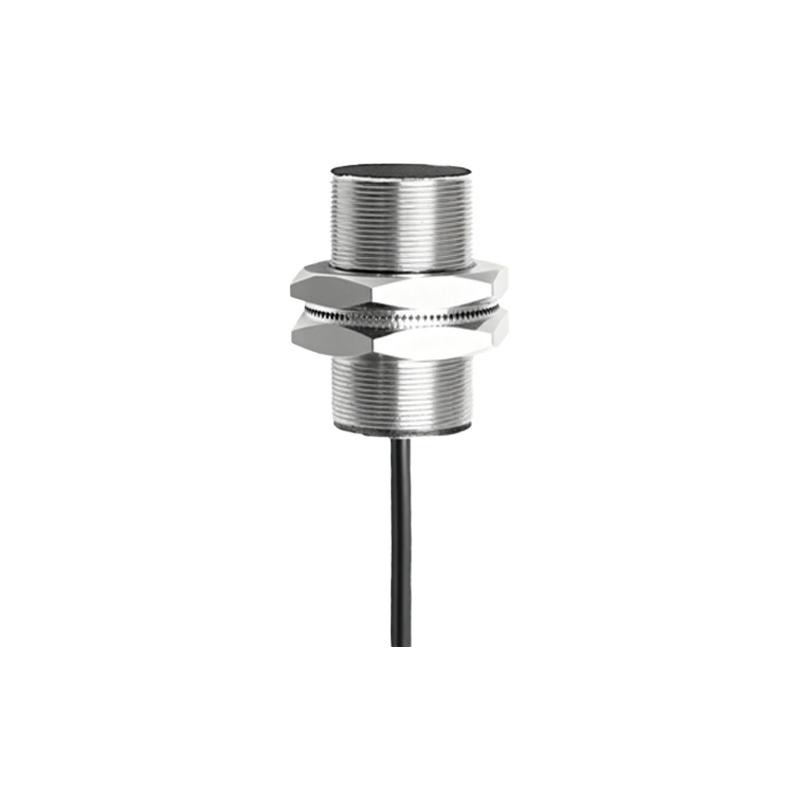
Key specifications define the performance envelope of the C2214 sensor. The sensing distance, often rated at a standard 4mm, is a critical parameter. It is crucial to note that this nominal sensing distance is defined for a standard target (usually mild steel). For other metals like stainless steel, aluminum, or copper, the effective sensing range decreases due to differences in conductivity and permeability; a derating factor must be applied. The C2214 commonly features a tubular housing with an M12 or M18 thread, facilitating easy installation. Output configurations are versatile, including NPN (sinking) or PNP (sourcing) transistor outputs, and normally-open (NO) or normally-closed (NC) logic, allowing seamless integration with a wide range of PLCs (Programmable Logic Controllers) and control systems. Operating voltage ranges typically span from 10-30V DC, ensuring compatibility with standard industrial power supplies.
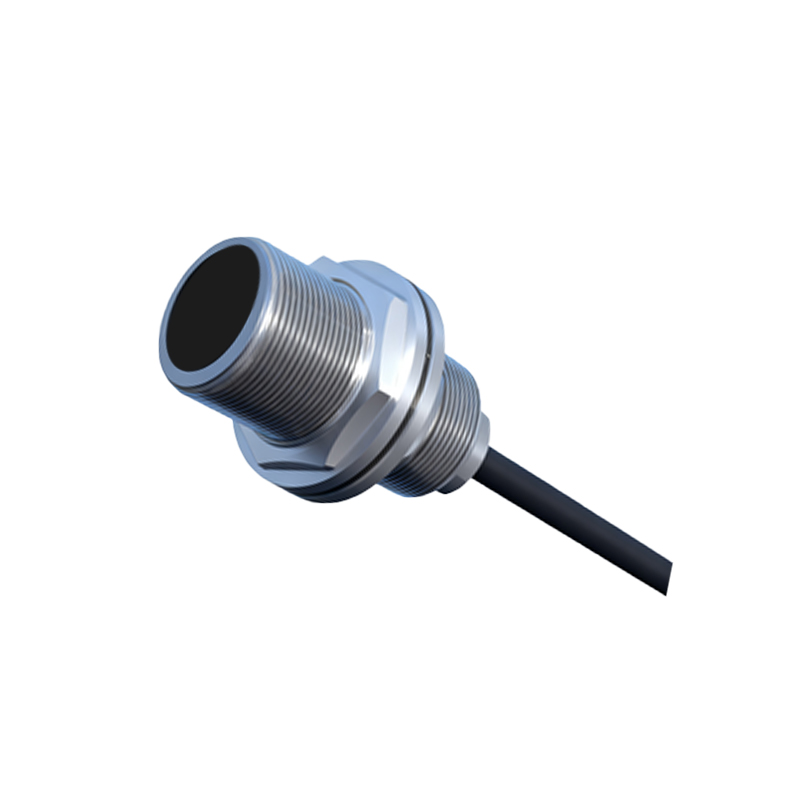
When selecting a C2214 sensor for a specific application, several factors must be meticulously evaluated. First, the target material and required sensing distance must be confirmed. For non-ferrous metal detection, ensuring the reduced sensing range is acceptable is paramount. Second, the environmental conditions are decisive. While the C2214 is built to be robust, extreme temperatures, exposure to cutting fluids, or strong electromagnetic interference may necessitate models with specific IP (Ingress Protection) ratings, such as IP67, which guarantees protection against dust ingress and temporary immersion. The output type must match the input requirements of the controller. Furthermore, physical considerations like housing style (shielded or unshielded) are important. Shielded models can be flush-mounted in metal without affecting their sensing field, whereas unshielded models offer a longer sensing range but require non-metallic surroundings.
The applications for the C2214 proximity sensor are vast. Common uses include position verification of machine parts, end-of-travel detection on linear actuators, counting metallic objects on a conveyor, monitoring rotational speed by detecting gear teeth, and ensuring safety in automated systems by confirming the presence or absence of guards. Its reliability makes it a cornerstone in automotive manufacturing, packaging machinery, and CNC equipment.
Installation and wiring are straightforward but require attention to detail. Correct mounting torque should be applied to avoid damaging the housing. Wiring must adhere to the manufacturer's diagram, typically involving connections for power supply (brown wire), ground (blue wire), and the load (black wire for the output). Always ensure the power is disconnected during installation. For optimal performance, avoid mounting multiple sensors directly opposite each other to prevent mutual interference. Regular maintenance is minimal but should include periodic cleaning of the sensing face to remove any buildup of dirt or metal shavings that could attenuate the sensing field.
In conclusion, the C2214 proximity sensor represents a mature and highly effective technology for metallic object detection. Its strength lies in its simplicity, ruggedness, and adaptability to countless industrial scenarios. By carefully matching its technical characteristics—sensing range, output type, housing material, and environmental ratings—to the application's demands, engineers can ensure reliable, long-lasting performance, thereby enhancing both the efficiency and safety of automated systems. As Industry 4.0 and smart manufacturing evolve, sensors like the C2214 continue to serve as the fundamental eyes of the factory floor.