In the realm of industrial automation, robotics, and advanced machinery, the demand for rapid and reliable object detection has never been greater. High-speed proximity sensors are critical components that fulfill this need, enabling systems to react in microseconds to the presence or absence of an object without physical contact. These sensors operate on various principles, each suited to specific environmental conditions, target materials, and required response speeds. Understanding the distinct types is essential for selecting the optimal solution for high-velocity applications.
One of the most prevalent categories is the inductive proximity sensor. Designed to detect metallic objects, these sensors generate an electromagnetic field. When a ferrous or non-ferrous metal enters this field, it induces eddy currents, causing a change in the sensor's oscillation amplitude that triggers a switching signal. Modern high-speed inductive sensors boast response times as fast as 0.1 milliseconds, making them indispensable in automotive assembly lines for counting camshaft rotations or verifying gear positioning at extreme speeds. Their robustness against dust, oil, and coolant splashes further solidifies their role in harsh manufacturing environments.
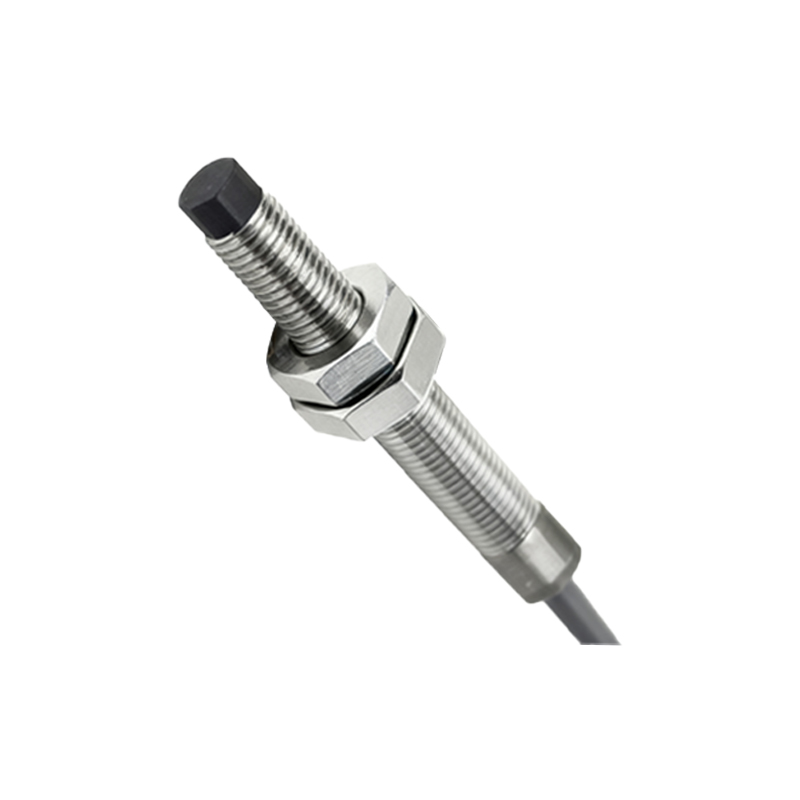
For applications involving non-metallic targets, such as glass, plastic, wood, or liquids, capacitive proximity sensors are the go-to choice. They function by detecting changes in capacitance between the sensor's active surface and the ground. Any object that alters the dielectric constant of the surrounding space can be sensed. High-speed variants are crucial in packaging industries, where they rapidly verify the fill level of bottles or the presence of labels on containers moving on high-velocity conveyors. Their sensitivity can be adjusted, but they are generally more susceptible to environmental humidity than inductive types.
In scenarios requiring the longest sensing distances or detection of any solid material regardless of color or composition, photoelectric sensors are often deployed. High-speed photoelectric sensors, particularly through-beam and retro-reflective types, offer exceptionally fast response times. Through-beam sensors, with a separate emitter and receiver, can detect objects interrupting the light beam with response times under 50 microseconds. They are fundamental in safety light curtains for machinery and in high-speed sorting systems for parcels and pharmaceuticals. Diffuse reflective models, which sense light reflected directly from the target, are also available in high-speed versions for closer-range, high-frequency counting tasks.
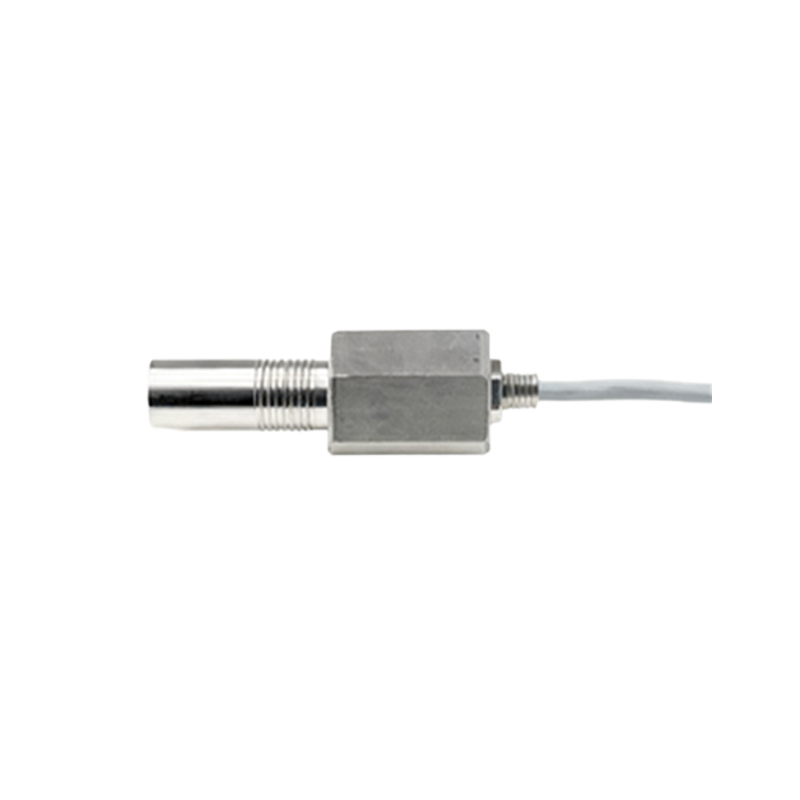
A specialized and increasingly vital type for ultra-high-speed applications is the ultrasonic proximity sensor. These sensors measure the time taken for an emitted sound wave to reflect off a target and return. While traditionally considered slower due to the speed of sound, advancements in signal processing have led to high-speed ultrasonic sensors capable of thousands of measurements per second. They excel in challenging conditions where optical sensors might fail, such as detecting transparent objects, monitoring liquid levels in turbulent tanks, or operating in environments filled with steam or heavy dust.
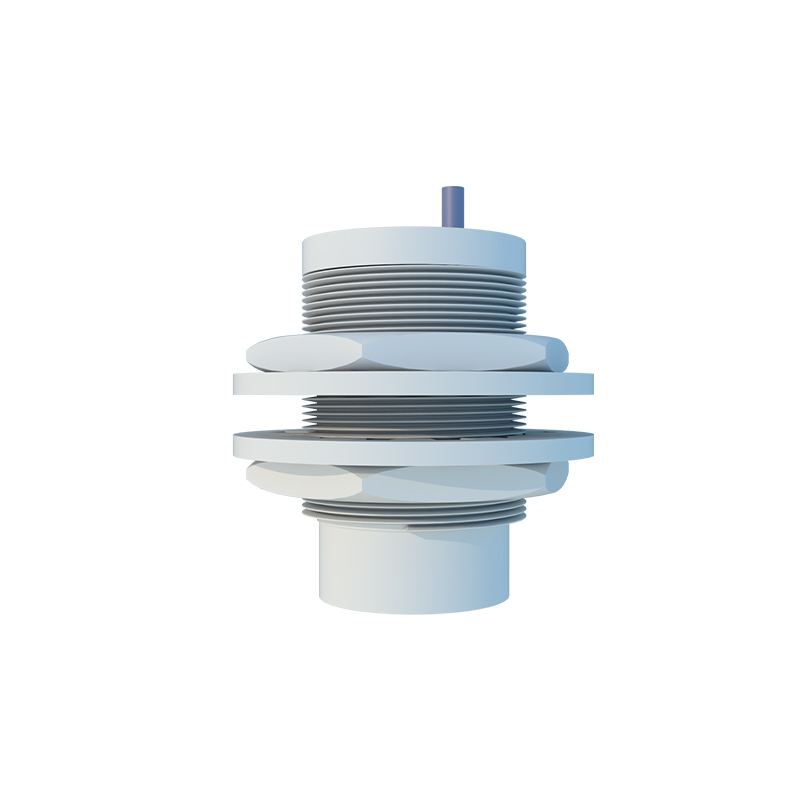
The selection of a high-speed proximity sensor extends beyond mere response time. Factors such as the sensor's repeat accuracy, environmental resistance (IP rating), temperature range, and output type (PNP/NPN, analog, IO-Link) are equally critical. For instance, in semiconductor fabrication, sensors with ultra-clean materials and minimal particle generation are mandatory. In food and beverage processing, sensors must withstand frequent high-pressure washdowns.
Implementing these sensors effectively requires careful consideration of mounting, alignment, and electrical interference. Even the fastest sensor can yield poor system performance if incorrectly installed. Shielding, proper cable routing, and adherence to manufacturer specifications for sensing distance derating at high speeds are all best practices to ensure reliable operation.
From coordinating robotic arms in electronic assembly to ensuring precise cut-to-length in metal processing, high-speed proximity sensors form the silent, rapid-response network that underpins modern precision manufacturing and logistics. Their continued evolution towards even faster switching frequencies, smaller form factors, and smarter, networked capabilities promises to further push the boundaries of automation speed and efficiency. The correct sensor choice, tailored to the specific demands of speed, target, and environment, is a foundational decision for any high-performance automated system.