In the realm of industrial automation and precision measurement, Line Laser Sensors (LmS) have emerged as a cornerstone technology. These sensors project a laser line onto a target surface and use advanced imaging techniques to capture and analyze the deformation or profile of that line. The core principle involves triangulation: a laser line generator emits a thin, focused line of light. A camera or CMOS/CCD detector, positioned at a known angle to the laser emitter, captures the image of this line. Any variation in the height or contour of the target object causes a distortion in the projected line's position within the camera's field of view. Sophisticated onboard processors then analyze this distortion to calculate precise 2D profile data or 3D height maps with remarkable speed and accuracy.
The advantages of Line Laser Sensors are numerous, driving their widespread adoption. They offer non-contact measurement, eliminating wear and damage to both the sensor and delicate objects. Capable of scanning at high speeds—often thousands of profiles per second—they are ideal for dynamic production lines. Their resolution can reach micron levels, providing exceptional detail for quality control. Furthermore, they are robust, designed to withstand harsh industrial environments involving vibration, dust, and variable lighting conditions that would challenge other vision systems.
Applications for LmS technology span across diverse sectors. In automotive manufacturing, they are indispensable for inspecting weld seams, measuring gap and flush between body panels, and verifying dimensional accuracy of components. The electronics industry relies on them for solder paste inspection (SPI), coplanarity checks on Ball Grid Arrays (BGAs), and precise placement of micro-components. In logistics and packaging, LmS systems perform volume measurement for warehousing, check box sealing integrity, and ensure fill levels. Additionally, they are crucial in metal fabrication for thickness gauging, flatness inspection, and guiding robots in welding or cutting paths.
Selecting the appropriate Line Laser Sensor requires careful consideration of several key parameters. Measurement range and field of view define the physical envelope the sensor can cover. Resolution and accuracy specifications must align with the tolerance requirements of the application. The scanning rate or profile frequency must be high enough to capture data without motion blur on fast-moving lines. Environmental factors are critical; the sensor's IP rating, laser class (typically Class 2 or safe for incidental viewing), and operating temperature range must suit the installation site. The choice of laser wavelength (commonly red or blue) can affect performance on different material surfaces, with blue lasers often providing better performance on shiny or metallic objects due to reduced speckle and higher absorption. Finally, integration ease, including software development kits (SDKs), communication protocols (Ethernet/IP, PROFINET, TCP/IP), and form factor, plays a significant role in the total cost of ownership.
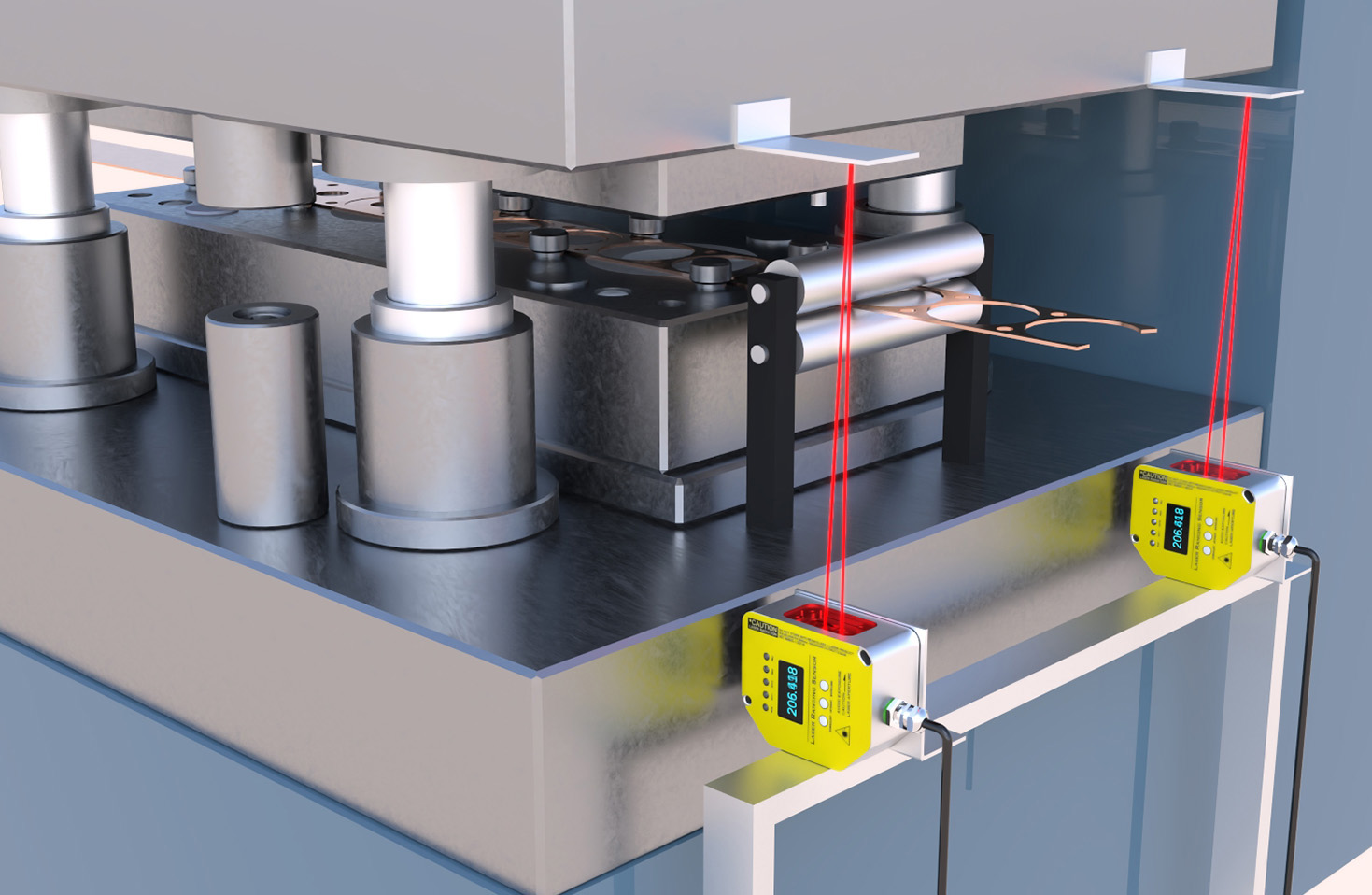
Looking ahead, the evolution of Line Laser Sensor technology continues. Integration with Artificial Intelligence (AI) and Machine Learning (ML) is enabling smarter, adaptive inspection systems that can classify defects and learn from production data. Miniaturization is opening new applications in tighter spaces. Furthermore, the fusion of multiple sensor data streams is enhancing robotic perception, allowing for more flexible and intelligent automation cells. For engineers and system integrators, a deep understanding of LmS principles and a methodical selection process are essential to leverage this powerful technology, ensuring enhanced productivity, stringent quality assurance, and a strong return on investment in modern manufacturing ecosystems.
