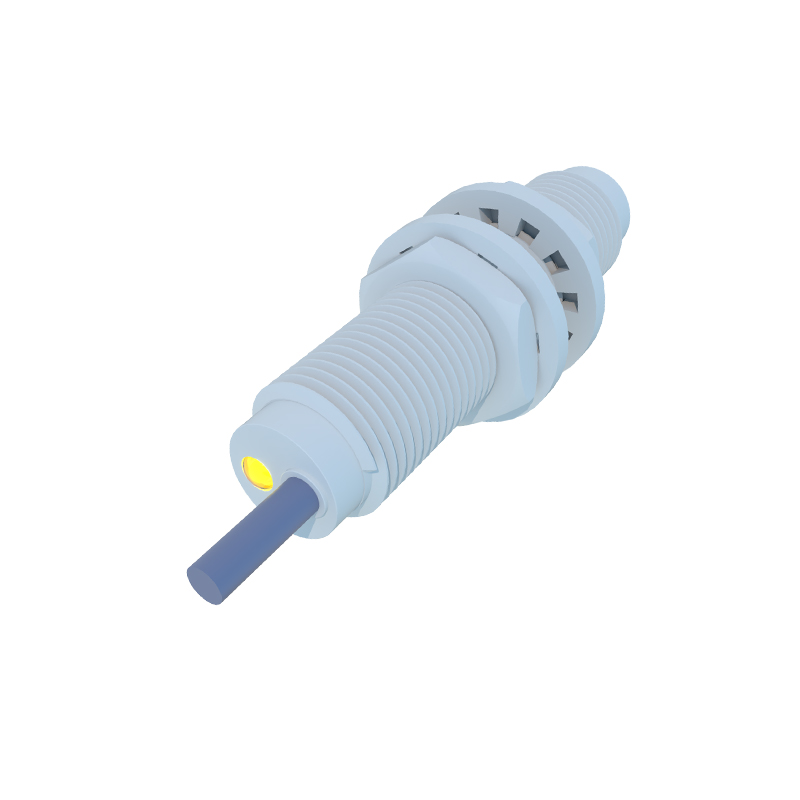
In the realm of industrial automation and control systems, the 3-wire proximity sensor switch stands as a fundamental and highly reliable component. Unlike mechanical limit switches, these non-contact sensors detect the presence or absence of a metallic target without physical touch, leading to significantly reduced wear, higher operational speeds, and enhanced longevity. This article delves into the operational principles, wiring configurations, key specifications, and practical application considerations for 3-wire DC proximity sensors, which are the most prevalent type in modern industrial settings.
At its core, a 3-wire proximity sensor operates on the principle of electromagnetic induction or, for some types, capacitive or magnetic principles. The most common inductive type generates a high-frequency oscillating electromagnetic field from its sensing face. When a ferrous or non-ferrous metallic object enters this field, it induces eddy currents within the target, which dampens the oscillator's amplitude. This change is detected by the sensor's circuitry, triggering a solid-state output switch. The "3-wire" designation refers to the fundamental wiring scheme: one wire for DC power supply positive (typically brown), one wire for DC power supply negative or common (typically blue), and one wire for the output signal (typically black for NPN, or black/white for PNP). This design integrates the sensor and its switching amplifier into a single, compact housing.
The critical distinction within the 3-wire family lies in the output transistor type: NPN or PNP. This defines the switching logic and sinking/sourcing current flow. An NPN sensor switches the negative or ground side of the load. In its normal state, the output transistor is off, and the signal wire is at a high impedance. When activated, the transistor turns on, connecting the signal wire (black) to the common negative (blue), effectively "sinking" current to ground to complete the circuit. Conversely, a PNP sensor switches the positive side. Its output transistor connects the signal wire to the positive supply when activated, "sourcing" current to the load. The choice between NPN and PNP is paramount and must match the input requirements of the connected controller (PLC, relay, etc.). A general, though not absolute, rule is that NPN is more common in Asian and European designs, while PNP is often used in North America, but always verify the controller's manual.
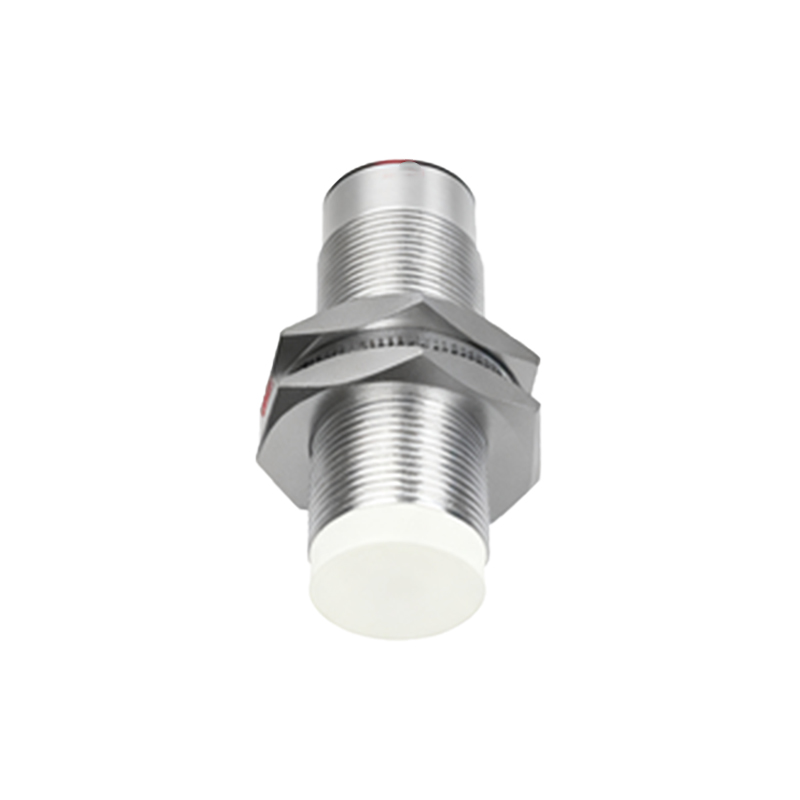
Key technical specifications guide proper selection and application. Sensing distance, or "Sn," is the nominal range at which a standard target can be reliably detected. It is crucial to note that this rating is for mild steel; other materials like aluminum or stainless steel have correction factors that reduce the effective range. The housing style (cylindrical, rectangular, ring-shaped) and size must suit the mechanical installation. Environmental protection, denoted by IP (Ingress Protection) ratings like IP67, indicates resistance to dust and temporary immersion, which is vital for harsh plant environments. Output function can be normally open (NO) or normally closed (NC), defining the signal state when no target is present. Response frequency indicates how quickly the sensor can toggle its output, a critical factor for high-speed counting or positioning applications. Lastly, the voltage range (commonly 10-30V DC) and current rating must be compatible with the system's power supply and load.
Installation and wiring demand careful attention. Metal surfaces near the sensing face can influence the magnetic field, so manufacturers specify minimum non-metallic side and flush-mounting distances. For cylindrical sensors, using the correct size nut and washer is essential for secure mounting and sealing. Electrical wiring must follow the color code or datasheet diagram precisely. A common best practice is to include a protective fuse or circuit breaker in the supply line and to use shielded cable in electrically noisy environments, grounding the shield at the controller end only. For long cable runs, voltage drop must be calculated to ensure the sensor receives adequate voltage.
In application, 3-wire proximity sensors are ubiquitous. They are used for object detection on conveyors, part presence verification in assembly machines, rotary speed monitoring via gear teeth, and end-of-travel positioning. Their solid-state nature makes them ideal for high-cycle duties where a mechanical switch would fail rapidly. When troubleshooting, a systematic approach is best: verify power supply voltage at the sensor terminals, check for a visible LED indicator (most sensors have one), inspect for physical damage or metallic debris on the face, and use a multimeter to measure the output signal state with and without a target present.
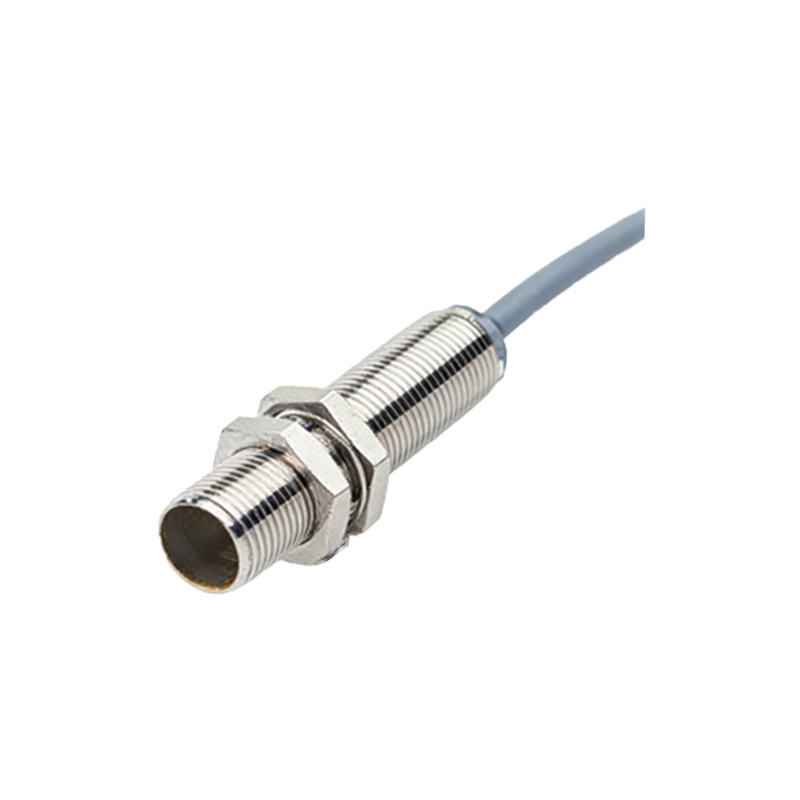
In conclusion, the 3-wire DC proximity sensor is a versatile and robust workhorse of industrial automation. A clear understanding of its NPN/PNP output logic, careful attention to specifications relative to the application, and proper installation practices are the keystones to leveraging its full potential for reliable, maintenance-free operation. By