In the realm of industrial automation and electrical engineering, proximity sensors are indispensable components for detecting the presence or absence of objects without physical contact. A common question among engineers and technicians is whether these sensors have size specifications, and the answer is a definitive yes. The size of a proximity sensor is a critical parameter that influences its performance, installation, and application suitability.
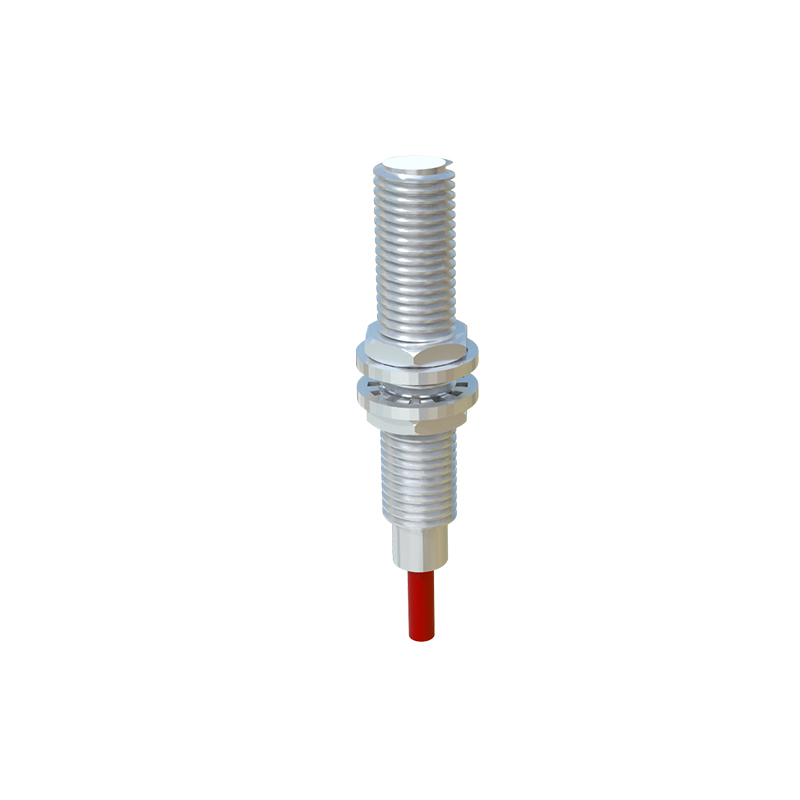
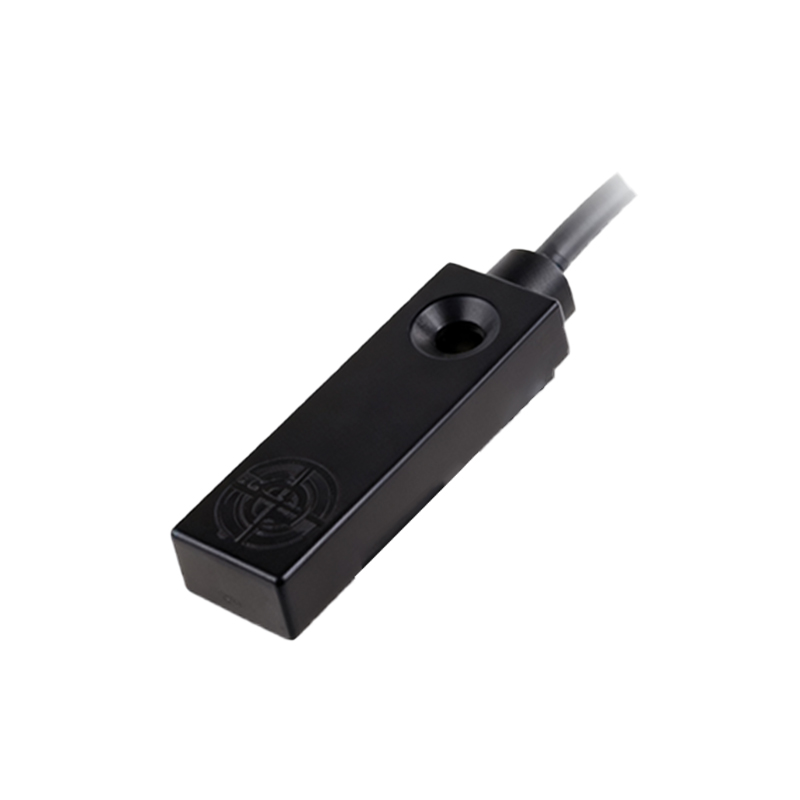
Proximity sensors come in various form factors, typically categorized by their housing dimensions, sensing range, and mounting styles. The physical size, often measured in millimeters for diameter and length, directly correlates with the sensor's sensing capabilities. For instance, smaller sensors, such as miniature or subminiature models with diameters ranging from 4mm to 8mm, are designed for tight spaces in applications like robotics or precision assembly lines. They offer limited sensing ranges, usually up to 2mm, making them ideal for detecting small objects or in confined environments. In contrast, larger sensors with diameters exceeding 30mm can achieve sensing distances of up to 60mm or more, suitable for heavy-duty industrial settings where detecting larger metallic parts is necessary.
The size also impacts the sensor's electrical characteristics and output types. Compact sensors often operate at lower power levels and may provide digital outputs like PNP or NPN, while larger models might support analog outputs or higher current ratings for robust operations. Additionally, the housing material—commonly stainless steel, brass, or plastic—varies with size, affecting durability and environmental resistance. For example, larger sensors frequently feature ruggedized designs to withstand harsh conditions like extreme temperatures or moisture.
When selecting a proximity sensor, engineers must consider the size in relation to the target object and installation constraints. A sensor that is too large may not fit into the designated space, while one that is too small might lack the required sensing range or durability. Standards such as IEC 60947-5-2 provide guidelines for dimensions and performance, ensuring compatibility across systems. In practice, manufacturers offer detailed datasheets specifying exact sizes, thread types (e.g., M8, M12, M18), and sensing ranges, enabling precise integration into control panels, machinery, or conveyor systems.
In summary, the size of a proximity sensor is not merely a physical attribute but a key factor in its functionality. From miniature variants for delicate tasks to large units for industrial robustness, understanding size specifications helps optimize automation processes, enhance reliability, and reduce downtime. Always consult technical documentation to match the sensor's dimensions with your application needs for efficient and safe operations.