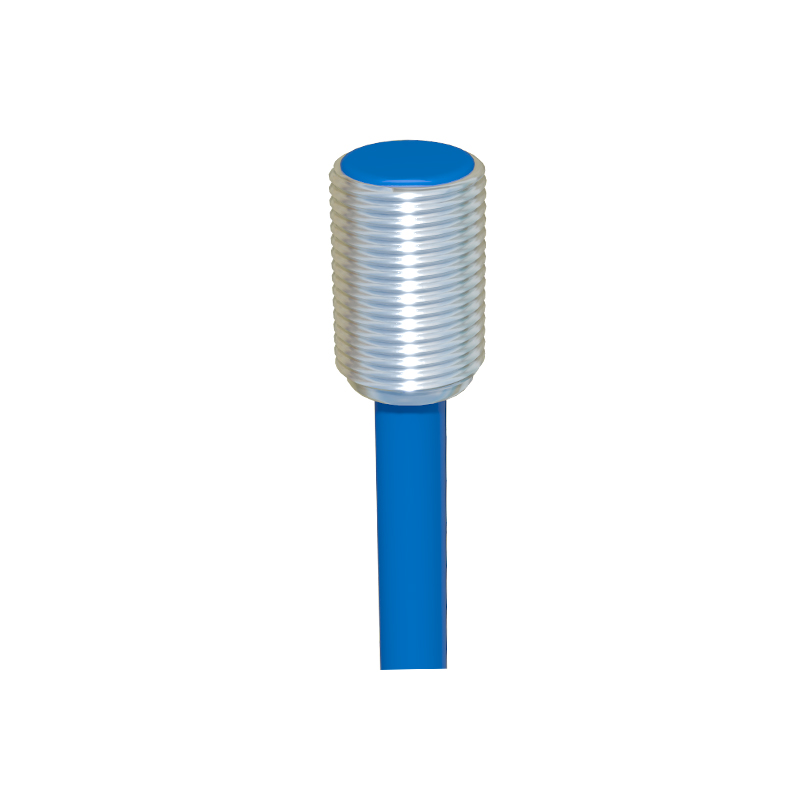
In the realm of industrial automation, inductive proximity sensors stand as critical components for non-contact detection of metallic objects. These devices operate on the principle of electromagnetic induction, generating an oscillating magnetic field that triggers a signal when a metal target enters its sensing range. As industries worldwide push for higher efficiency, safety, and precision, the demand for advanced inductive proximity sensors has surged, driving innovation among leading manufacturers. This article explores key players, technological advancements, and market trends shaping this vital sector.
Leading companies in the inductive proximity sensor market have established their dominance through relentless R&D and robust product portfolios. For instance, Siemens AG, a German multinational, offers a comprehensive range of sensors known for durability and high performance in harsh environments. Their SIMATIC series integrates seamlessly with automation systems, providing reliable detection for manufacturing and logistics. Similarly, Omron Corporation from Japan excels in miniaturization and sensitivity, with models like the E2E series catering to tight-space applications in electronics and automotive assembly. In the United States, Rockwell Automation emphasizes connectivity and smart features, embedding IoT capabilities into sensors for predictive maintenance and data analytics. These firms not only deliver standard solutions but also customize sensors for niche industries, such as food processing with hygienic designs or mining with explosion-proof certifications.
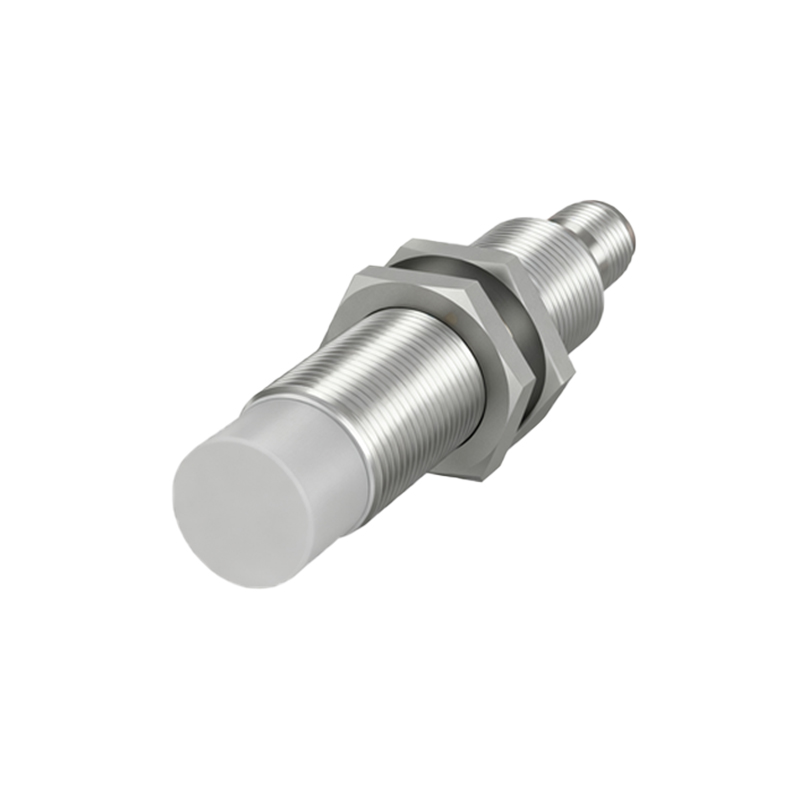
Technological innovations are revolutionizing inductive proximity sensors. Modern sensors now feature enhanced sensing distances, with some models detecting metals up to 40 mm away, a significant leap from traditional limits. Materials like PBT (polybutylene terephthalate) housings and nickel-plated brass components improve resistance to chemicals, heat, and mechanical stress. Additionally, the integration of IO-Link communication protocols enables real-time diagnostics and parameter adjustments, reducing downtime in smart factories. Companies like Pepperl+Fuchs, a German specialist, pioneer in developing sensors with M12 connectors and teach-in functions, allowing easy setup without tools. Another trend is the rise of analog output sensors, which provide continuous distance measurement rather than simple on/off switching, ideal for precision positioning in robotics. Energy efficiency is also a focus, with low-power designs supporting sustainable operations in battery-driven systems.
The market for inductive proximity sensors is expanding rapidly, driven by Industry 4.0 and automation adoption. According to industry reports, sectors like automotive, packaging, and material handling account for over 60% of demand, as sensors ensure smooth conveyor operations and quality control. Emerging economies in Asia-Pacific are becoming hotspots for growth, with local companies like Shanghai Lanbao Sensing Technology gaining traction through cost-effective solutions. However, challenges persist, including competition from capacitive and photoelectric sensors for non-metallic detection, and supply chain disruptions affecting raw material availability. To stay ahead, top companies invest in AI-driven quality testing and global distribution networks, ensuring timely delivery and consistent performance.
In conclusion, inductive proximity sensor companies are at the forefront of industrial innovation, blending engineering expertise with cutting-edge technology. As automation evolves, these sensors will continue to play a pivotal role in enhancing productivity and safety across diverse applications. For engineers and procurement specialists, selecting the right supplier involves evaluating factors like sensing range, environmental ratings, and after-sales support. By partnering with industry leaders, businesses can future-proof their operations and harness the full potential of proximity sensing solutions.