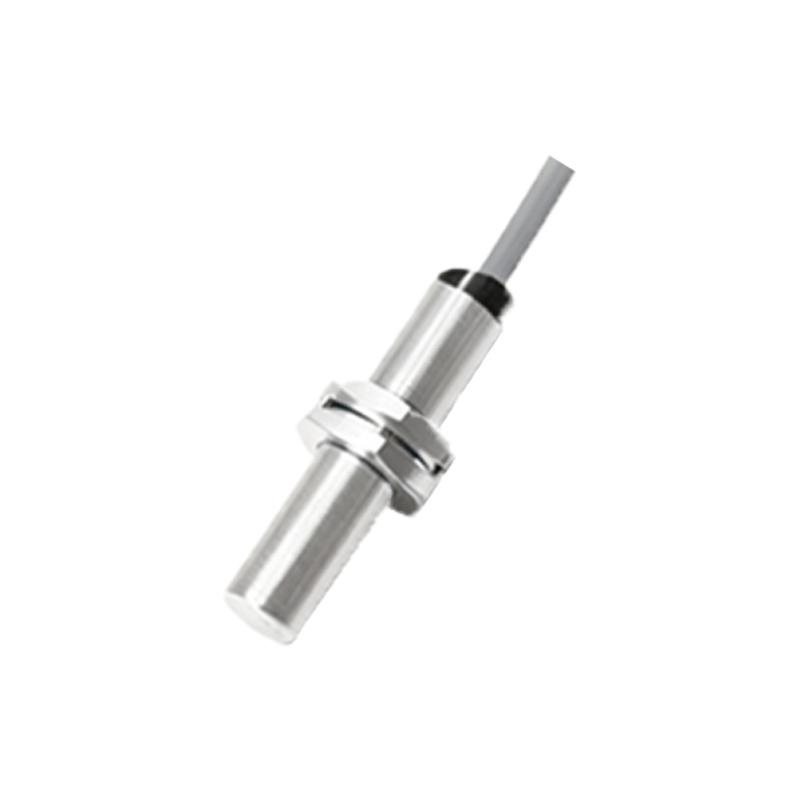
In the demanding world of industrial automation, proximity sensors serve as the critical eyes of machinery, detecting the presence or absence of objects without physical contact. However, in environments plagued by moisture, chemicals, salt spray, or extreme pH levels, standard sensors succumb rapidly to corrosion, leading to frequent failures, unplanned downtime, and significant maintenance costs. This is where the specialized manufacturing of corrosion-resistant proximity sensors becomes paramount. Their production is not merely an add-on feature but a fundamental re-engineering of materials, seals, and processes to ensure unwavering reliability.
The journey begins with the housing, the first line of defense. While standard sensors often use materials like standard-grade stainless steel or nickel-plated brass, corrosion-resistant models employ superior alloys. Austenitic stainless steels, such as AISI 316L or 316Ti, are the industry benchmark for general corrosive environments due to their high molybdenum content, which enhances resistance against chlorides and acidic solutions. For even more aggressive settings, such as offshore platforms or chemical processing plants, manufacturers may turn to duplex stainless steels, Hastelloy, or even titanium housings. These materials are selected not only for their passive oxide layer that prevents rust but also for their structural integrity under stress and temperature fluctuations.
The sensing face, typically a polymer cap, is another critical component. Standard plastics like ABS or PA (Nylon) are inadequate. Instead, engineers specify high-performance polymers such as PPS (Polyphenylene Sulfide), PEEK (Polyether Ether Ketone), or PVDF (Polyvinylidene Fluoride). These materials offer exceptional resistance to a wide spectrum of chemicals, solvents, and hydrocarbons while maintaining dimensional stability. The encapsulation of the sensing coil and electronics behind this face must be flawless, often achieved through advanced potting compounds. These epoxy or polyurethane-based resins are meticulously formulated to be inert, completely sealing the internal circuitry from any ingress of corrosive media or condensation.
The sealing system is arguably the heart of a corrosion-proof design. A single weak point can compromise the entire unit. Therefore, manufacturing incorporates multiple, redundant sealing barriers. This typically includes radial shaft seals (often made of FKM/Viton or EPDM for chemical and temperature resistance) at any moving parts, and static seals using precision-machined O-rings seated in meticulously designed grooves. The cable entry point, a common failure area, is fortified with a robust gland system, often using a combination of compression seals and potting. Many high-end sensors achieve an ingress protection rating of IP67, IP68, IP69K, and NEMA 6P, certifying their resilience against powerful water jets, prolonged immersion, and dust.
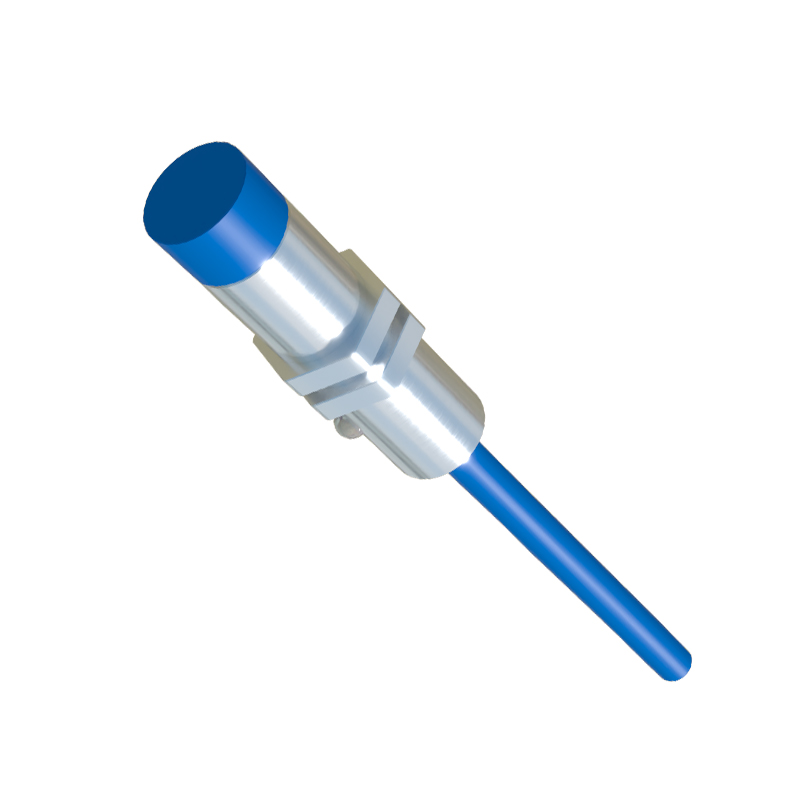
The internal electronics are also protected. Conformal coatings are applied to printed circuit boards (PCBs), creating a thin, protective polymeric film that shields against moisture, mold, and chemical vapors. For the most critical applications, the entire sensing element and IC might be hermetically sealed within a small glass or ceramic capsule before being integrated into the larger housing assembly.
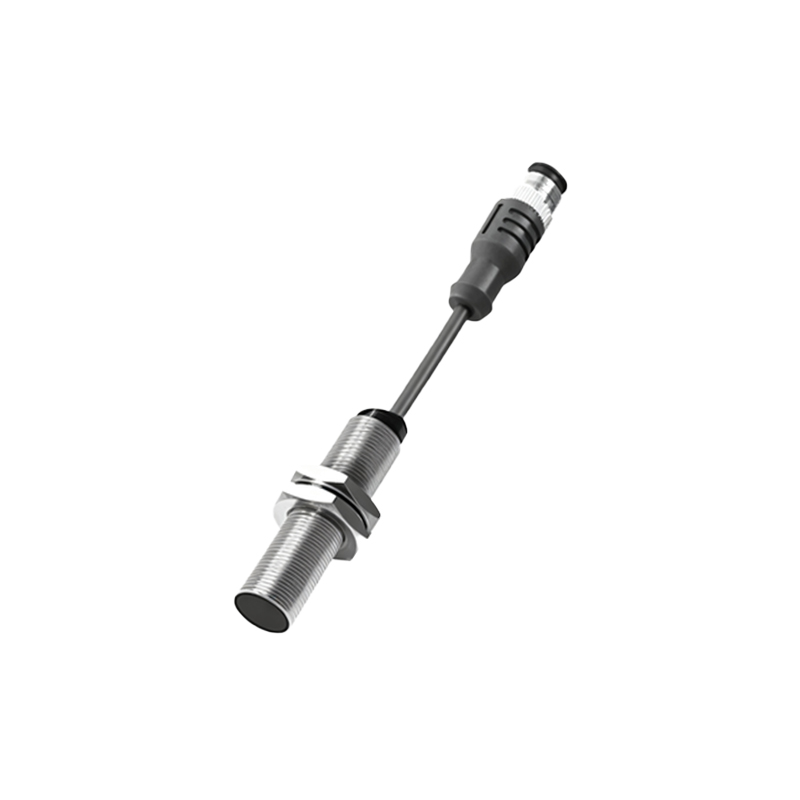
The manufacturing process itself must uphold stringent cleanliness and quality control standards. Components are cleaned in controlled environments to remove contaminants that could initiate corrosion. Assembly often occurs in dry, climate-controlled rooms. Every sensor undergoes rigorous testing, not just for sensing performance but for environmental durability. This includes salt spray testing per ASTM B117, exposing sensors to a dense fog of sodium chloride solution for hundreds of hours to simulate years of service in a coastal atmosphere. Additional tests might involve cyclic exposure to specific chemicals, temperature shocks, and pressure tests to validate seal integrity.
Finally, the choice of sensing technology—inductive, capacitive, or magnetic—is also tailored for harsh environments. Inductive sensors, for detecting metals, are most common. In corrosive settings, their coils are potted, and the oscillator circuit is designed to be stable even if minor coating builds up on the sensing face. For detecting non-metals through corrosive liquids or coatings, capacitive sensors with appropriately shielded, inert faces are manufactured.
In conclusion, producing a truly corrosion-resistant proximity sensor is a holistic exercise in materials science, precision engineering, and rigorous validation. It demands a deep understanding of the specific corrosive agents in the target application. For engineers and plant managers, selecting such a sensor is an investment in predictive maintenance and operational continuity. By paying a premium for a correctly specified corrosion-resistant model, industries from food and beverage (with caustic CIP cleaners) to marine, wastewater treatment, and mining can achieve a significantly lower total cost of ownership, transforming a vulnerable component into a pillar of resilient automation.