In the realm of industrial automation and process control, the reliable detection of metallic objects is a fundamental requirement. Linear proximity sensors, specifically designed for metal detection, stand as critical components in achieving precision, safety, and efficiency. Unlike simple on/off proximity switches, linear sensors provide a continuous, analog output signal that is proportional to the distance between the sensor and the target metal object. This capability unlocks a higher level of control and monitoring for complex applications.
The core operating principle of most metal-detecting linear proximity sensors is based on the eddy current effect. The sensor contains an oscillator circuit that generates a high-frequency electromagnetic field at its active face. When a conductive metal target enters this field, eddy currents are induced on the target's surface. These currents create their own opposing magnetic field, which interacts with the sensor's field. This interaction causes a change in the oscillation amplitude or frequency within the sensor's coil. The sensor's internal electronics precisely measure this change and convert it into a standardized, linear analog output signal, typically 0-10V DC or 4-20mA. The strength of the signal varies linearly with the distance to the target, hence the name "linear" proximity sensor.
Several key characteristics define the performance of these sensors. The measuring range is the distance over which the sensor can provide a linear output. It is crucial to select a sensor with a range suitable for the application, considering factors like target size and material. Linearity refers to how accurately the output signal follows a straight line relative to the distance; higher linearity means greater measurement accuracy. Repeatability indicates the sensor's ability to consistently return the same output value for the same target position under identical conditions, which is vital for process stability. Furthermore, the target material significantly influences performance. Ferrous metals (like steel and iron) typically produce a stronger signal and allow for a longer detection range compared to non-ferrous metals (like aluminum, copper, or brass). Many modern sensors feature compensation circuits or are specifically calibrated for different metal types.
The applications for linear proximity sensors in metal detection are vast and span numerous industries. In automotive manufacturing, they are used for precise gap and flush measurement between body panels, ensuring quality and fit. In metal forming and stamping, they monitor press ram position and bending angles with high accuracy. Within robotics, they provide critical feedback for end-effector positioning and assembly tasks involving metal components. In the packaging industry, they can control the fill level in metal containers or detect the position of metal lids. They are also indispensable in hydraulic and pneumatic systems for continuous position feedback of metal pistons and cylinders, enabling precise motion control.
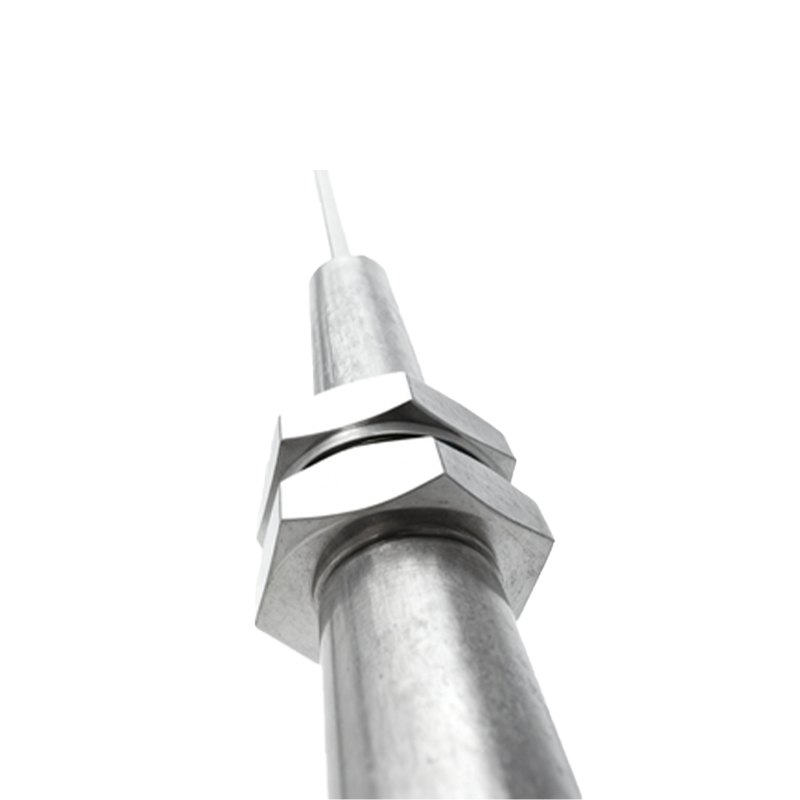
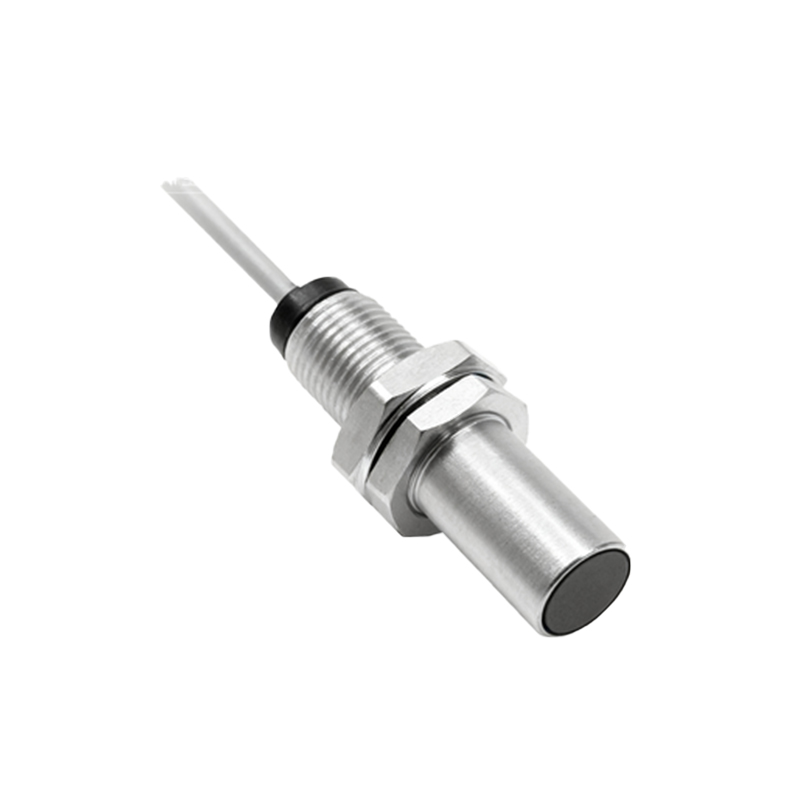
Selecting the right linear proximity sensor requires careful consideration of several parameters. First, identify the target metal type and size, as this dictates the required sensing range and sensor technology. The required measurement resolution and accuracy will determine the necessary linearity and repeatability specifications. The environmental conditions are paramount; sensors may need to be rated for high temperatures, pressure, washdowns (IP67/IP69K ratings), or resistance to coolants and oils. The electrical output must be compatible with the control system (PLC, CNC). Finally, the physical form factor—such as cylindrical, rectangular, or threaded housing—must suit the mechanical installation constraints.
Installation and commissioning also demand attention. Proper alignment between the sensor face and the target is essential for optimal performance. The sensor should be mounted securely to minimize vibration effects. Electrical noise from motors or frequency drives can interfere with the analog signal, so using shielded cables and proper grounding practices is highly recommended. Regular calibration checks against a known reference may be necessary for critical high-precision applications to maintain long-term accuracy.
In conclusion, linear proximity sensors for metal detection are sophisticated instruments that transform physical distance into a usable electrical signal. Their ability to provide continuous, precise measurement makes them superior to simple binary switches for tasks involving positioning, dimension checking, and vibration monitoring of metallic objects. By understanding their operating principles, key specifications, and application requirements, engineers and technicians can effectively integrate these sensors to enhance automation system performance, improve product quality, and increase operational reliability across countless industrial sectors.