Proximity sensors are indispensable components in modern industrial automation and control systems. These non-contact devices detect the presence or absence of an object within a defined sensing range without any physical contact. Their ability to operate reliably in harsh environments—characterized by dust, moisture, vibration, and extreme temperatures—makes them superior to mechanical limit switches. The selection of the appropriate proximity sensor type is critical for ensuring system efficiency, safety, and longevity. This article explores the primary types of proximity sensors, detailing their operating principles, key characteristics, and typical industrial applications.
The most prevalent category is the Inductive Proximity Sensor. This sensor type operates on the principle of electromagnetic induction. It generates an oscillating electromagnetic field from its active face. When a metallic object (the target) enters this field, eddy currents are induced on the surface of the object. This causes a change in the oscillation amplitude within the sensor's coil, which is detected by the internal circuitry, triggering a solid-state output signal. Inductive sensors are exclusively for detecting metals, with their effective sensing distance varying based on the target's material. Ferrous metals like iron and steel provide the longest range, while non-ferrous metals like aluminum, copper, or brass have a reduced range, often specified by a correction factor. They are renowned for their high switching frequency, precision, and robustness. Common applications include part detection on conveyor lines, position sensing of machine tool slides, end-of-travel detection in cylinders, and revolution counting.
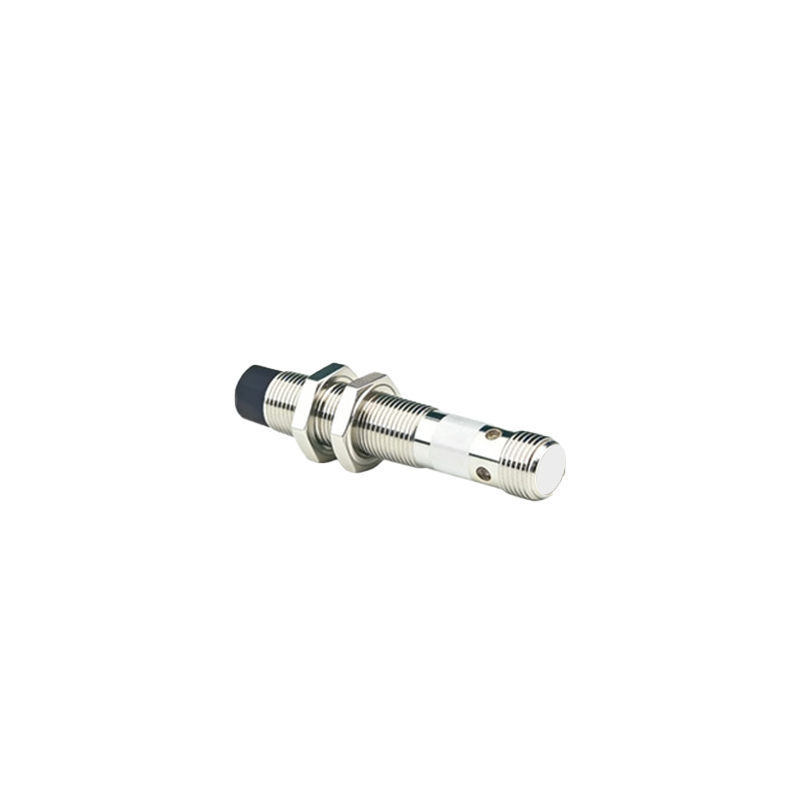
Capacitive Proximity Sensors function by generating an electrostatic field. The sensor and the target act as two plates of a capacitor. When an object enters the sensing field, it alters the dielectric constant, leading to a change in the capacitance. This change is measured, and when it exceeds a threshold, the sensor switches its output. Unlike inductive sensors, capacitive sensors can detect a wide variety of materials, including metals, plastics, glass, wood, powders, and liquids. They can even detect materials through non-metallic walls, making them suitable for level detection. Their sensitivity is often adjustable via a potentiometer. Key applications involve level control for liquids and granular materials in tanks, detection of non-metallic objects on packaging lines, and moisture content analysis.
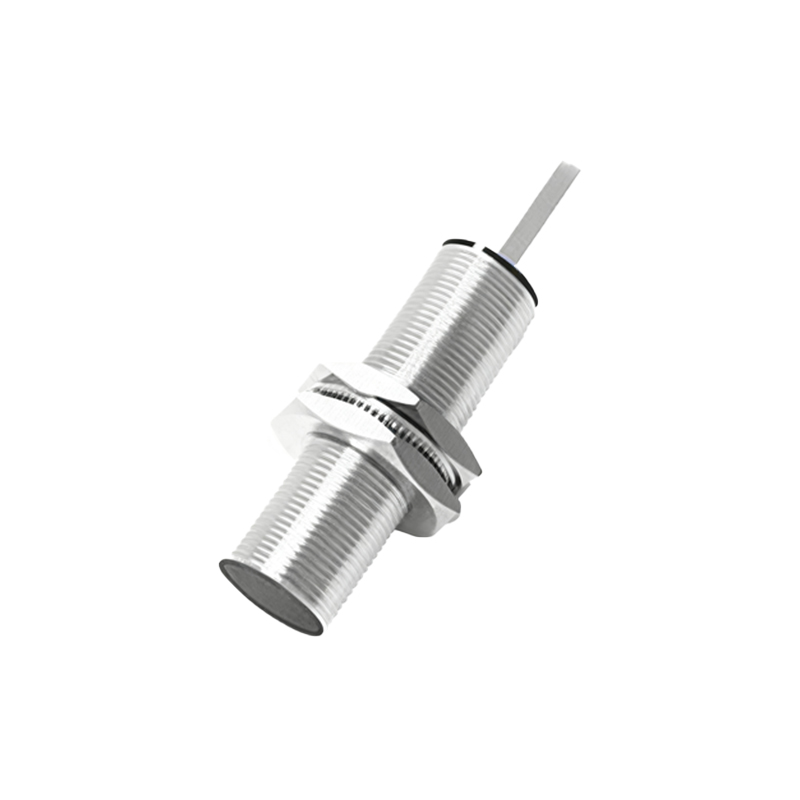
Magnetic Proximity Sensors, often referred to as reed switches or Hall-effect sensors, detect the presence of a permanent magnet. The traditional reed switch consists of two ferromagnetic reeds sealed in a glass tube filled with inert gas. When a magnet approaches, the reeds magnetize and attract each other, closing the contact. Hall-effect sensors, which are solid-state, produce a voltage output when exposed to a magnetic field. These sensors are highly reliable for detecting the position of moving parts, especially in clean or vacuum environments. They are extensively used for detecting the piston position in pneumatic and hydraulic cylinders (often with an integrated magnet in the piston), as well as in safety door interlocks and speed sensing.
Ultrasonic Proximity Sensors measure distance by emitting high-frequency sound waves (typically beyond 20 kHz) and calculating the time taken for the echo to return. They are true distance-measuring sensors, not just presence detectors. They can detect almost any material, regardless of color, transparency, or surface texture, as long as it reflects sound adequately. They are less affected by environmental factors like dust, smoke, or light, but can be influenced by temperature variations and air turbulence. Their primary uses are in object detection at longer ranges, precise distance measurement, level sensing in challenging conditions (e.g., foamy liquids), and palletizing in logistics.
Optical Proximity Sensors, or photoelectric sensors, use light to detect objects. They consist of a light emitter (usually LED—infrared, red, or laser) and a receiver. They are categorized into three main modes. Through-beam (or opposed) mode has separate emitter and receiver units; an object is detected when it interrupts the light beam. This mode offers the longest sensing range and highest reliability. Retro-reflective mode uses a single unit and a reflector; detection occurs when the beam to the reflector is blocked. Diffuse (or proximity) mode relies on the reflection of light from the object itself back to the receiver within the same housing. Optical sensors are versatile for detecting objects of various materials, colors, and sizes, and are pivotal in packaging, material handling, and assembly automation.
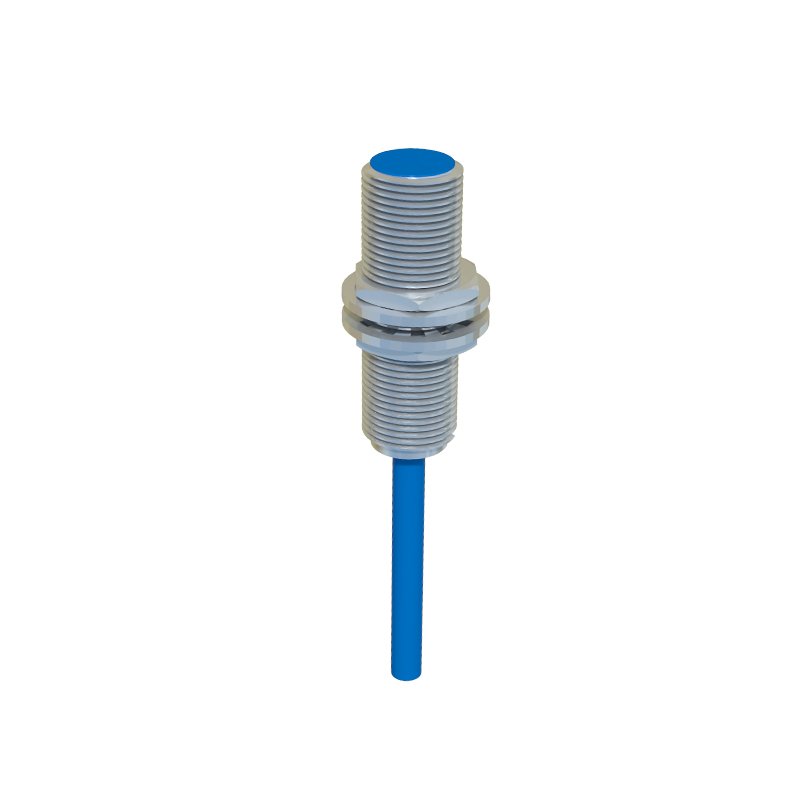
Selection criteria for these sensors extend beyond the detection principle. Engineers must consider factors such as the sensing range, target material, required output type (PNP/NPN, NO/NC), switching frequency, environmental protection rating (IP67/IP69K), housing style (cylindrical, rectangular), and electrical connection. Understanding the distinct advantages and limitations of each proximity sensor type—inductive for metals, capacitive for diverse materials, magnetic for magnetized targets, ultrasonic for distance and challenging