In the realm of industrial automation and electrical engineering, proximity sensors stand as fundamental components, silently orchestrating countless operations with precision and reliability. But what exactly is a proximity sensor? At its core, a proximity sensor is a non-contact electronic device designed to detect the presence or absence of an object within its sensing range without any physical contact. It achieves this by emitting an electromagnetic field or a beam of electromagnetic radiation and then looking for changes in the field or return signal. The object being detected is often referred to as the sensor's "target.
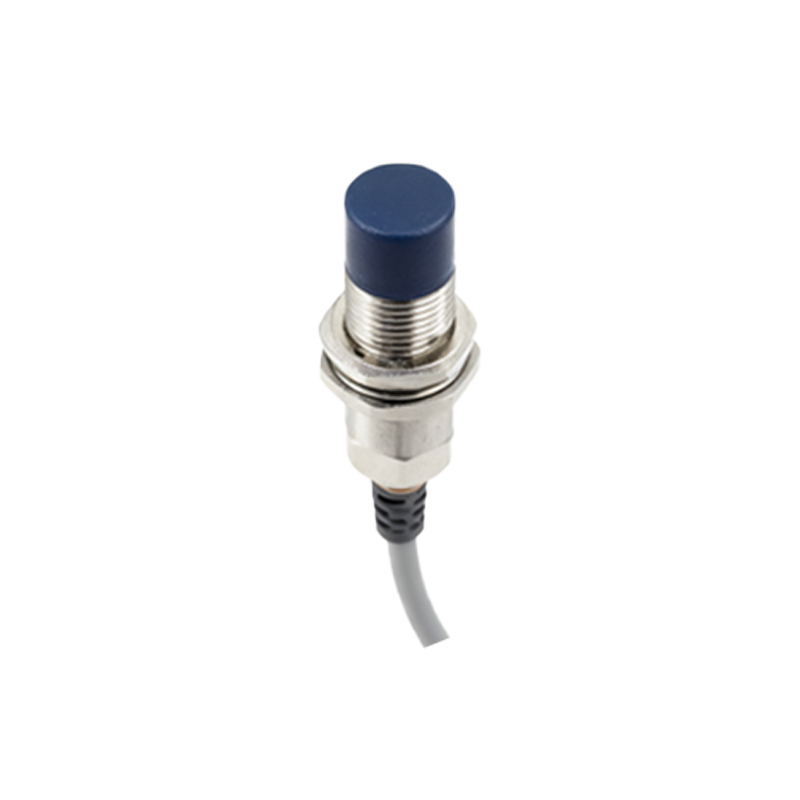
The operational principle varies significantly based on the technology employed. The most common types include Inductive, Capacitive, Ultrasonic, and Photoelectric sensors. Inductive proximity sensors are the workhorses of metal detection. They generate an oscillating electromagnetic field from a coil located at the sensing face. When a metallic target enters this field, it induces eddy currents on the metal surface, which dampens the oscillation amplitude. The sensor's internal circuit detects this change and triggers a solid-state output switch. These sensors are exceptionally robust, immune to environmental factors like dust or oil, and are ideal for detecting metals in harsh industrial environments, such as in CNC machines or automated assembly lines.
Capacitive proximity sensors, on the other hand, can detect both metallic and non-metallic materials, including liquids, powders, plastics, and wood. They function by generating an electrostatic field. When any material with a dielectric constant different from air enters this field, it alters the capacitance of the sensor's circuit, triggering the output. This makes them perfect for applications like level detection in tanks, detecting filled bottles on a conveyor, or sensing the presence of non-metallic objects.
Photoelectric sensors utilize light, typically infrared, visible red, or laser, to detect objects. They consist of an emitter (light source) and a receiver. When the emitted light beam is interrupted or reflected by a target, the receiver detects the change in light intensity, signaling the object's presence. They offer the longest sensing ranges among proximity sensors and are highly versatile, used for detecting objects of virtually any material, color, or shape over considerable distances, common in packaging, material handling, and security systems.
Ultrasonic sensors operate on a principle similar to sonar. They emit high-frequency sound waves and evaluate the echo received back. By calculating the time interval between sending the signal and receiving the echo, the sensor can determine the distance to an object. They are excellent for precise distance measurement, level sensing of liquids or bulk solids, and detecting transparent or shiny objects that might confuse photoelectric sensors.
Key specifications define a sensor's suitability for an application. The sensing range, or nominal range (Sn), is the maximum distance at which a standard target can be reliably detected. Factors like target material, size, and shape affect the actual usable range. Hysteresis is a critical feature that prevents output chatter when a target is at the edge of the sensing range; it creates a differential between the switch-on and switch-off points. Output types are typically NPN (sinking) or PNP (sourcing) transistor configurations, aligning with the control system's PLC or controller input requirements. The housing material, often nickel-plated brass or stainless steel for inductive sensors, ensures durability. Environmental ratings, notably the Ingress Protection (IP) code, indicate resistance to dust and water, which is crucial for washdown areas or outdoor use.
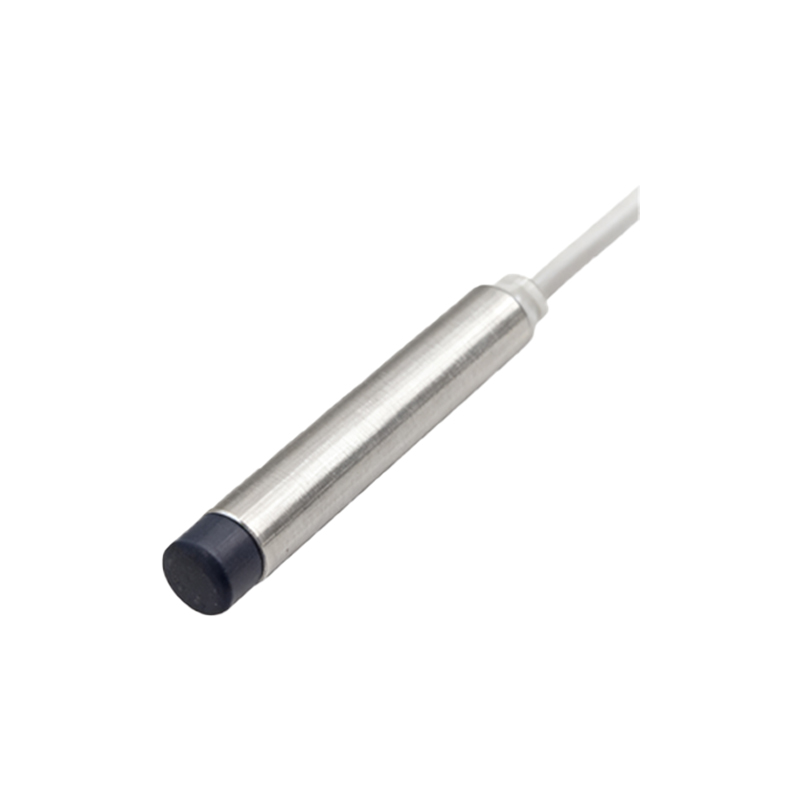
The advantages of proximity sensors are manifold. Their non-contact nature eliminates mechanical wear and tear, ensuring a long operational life. They provide high-speed response and switching frequencies, enabling fast-paced automation. With no moving parts, they are highly reliable and require minimal maintenance. They can operate effectively in challenging conditions where physical contact is impossible or undesirable.
In practical applications, their roles are diverse. In manufacturing, they are used for part positioning, counting, and end-of-travel detection. In automotive assembly, they verify the presence of components. In material handling, they control conveyor flow and detect jams. In the food and beverage industry, capacitive sensors monitor liquid levels, while photoelectric sensors ensure proper packaging.
Selecting the right proximity sensor requires careful analysis. Engineers must consider the target material, required sensing distance, environmental conditions (temperature, contaminants), electrical requirements (voltage, output type), mounting constraints, and necessary certifications for hazardous areas. A mismatch can lead to unreliable operation or sensor failure.
In conclusion, proximity sensors are indispensable eyes of modern industrial systems. They provide the essential input data that allows controllers to make decisions, ensuring processes are efficient, safe, and automated. From detecting a metal gear tooth to sensing the level of grain in a silo, their ability to interact with the physical world without contact makes them a cornerstone of electrical engineering and automation design. Understanding their principles, types, and applications is crucial for any engineer designing or maintaining automated systems.
SEO