In the rapidly evolving landscape of industrial automation, photoelectric proximity sensors have cemented their role as indispensable components for non-contact detection, object positioning, and quality control. A critical factor influencing their widespread adoption across manufacturing, packaging, logistics, and automotive sectors is their market price. This article provides a professional analysis of the historical price trajectory, current market dynamics, and future cost projections for these essential devices.
Historically, the price of photoelectric sensors has followed a downward trend over the past two decades, primarily driven by technological maturation and economies of scale. Early-generation sensors, utilizing basic through-beam or diffuse reflective principles with limited range and environmental robustness, commanded premium prices. The advent of mass production, particularly in Asian manufacturing hubs, significantly reduced unit costs. The integration of advanced microprocessors and application-specific integrated circuits (ASICs) initially caused temporary price plateaus or slight increases due to R&D amortization. However, as these technologies became standardized, prices resumed their decline. The shift from discrete component-based designs to highly integrated, surface-mount technology (SMT) assemblies drastically cut production expenses and improved reliability, passing savings to the end-user.
The current price landscape is characterized by stratification and volatility. Several key factors are actively shaping costs:
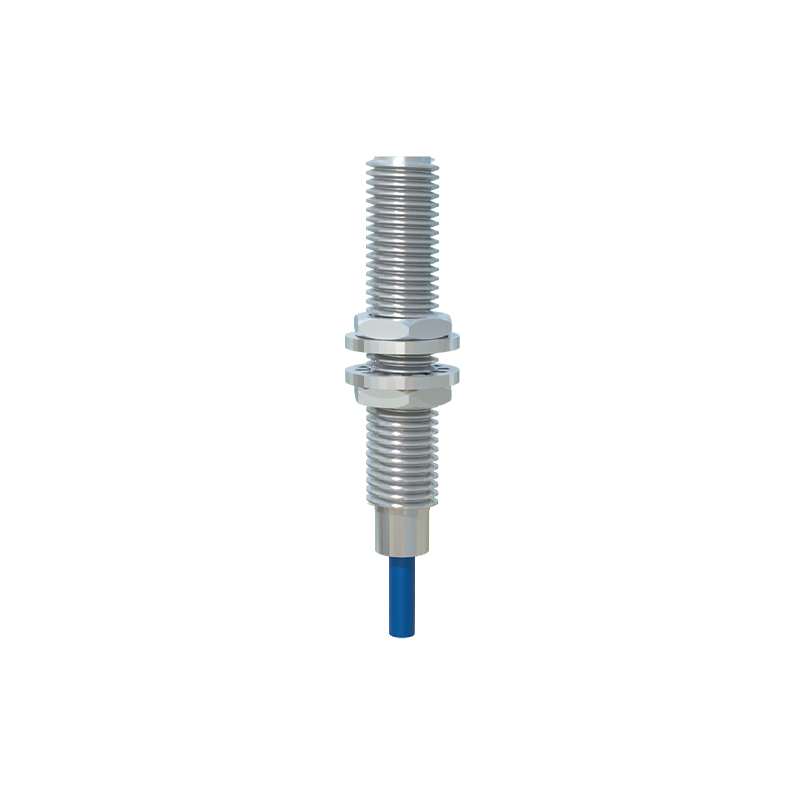
1. Raw Material & Component Costs: Fluctuations in the prices of semiconductors (like LEDs, photodiodes, and ICs), plastics for housings, and metals (for connectors and shields) directly impact sensor pricing. Recent global supply chain disruptions have led to increased costs for critical chips, exerting upward pressure on sensor prices.
2. Technology & Feature Differentiation: A clear price dichotomy exists between standard, entry-level diffuse sensors and advanced models. Sensors featuring background suppression, precise fiber optic units, long-range capabilities, laser light sources, or sophisticated connectivity (IO-Link, Ethernet/IP) carry a substantial price premium. The integration of smart diagnostics and condition monitoring functions also adds value and cost.
3. Competitive Intensity: The market is highly competitive, with established global brands (e.g., Omron, Sick, Keyence, Banner Engineering) competing on performance and reliability, while numerous value-focused manufacturers offer cost-competitive alternatives. This competition helps moderate prices but creates a wide spectrum based on brand reputation, quality, and support.
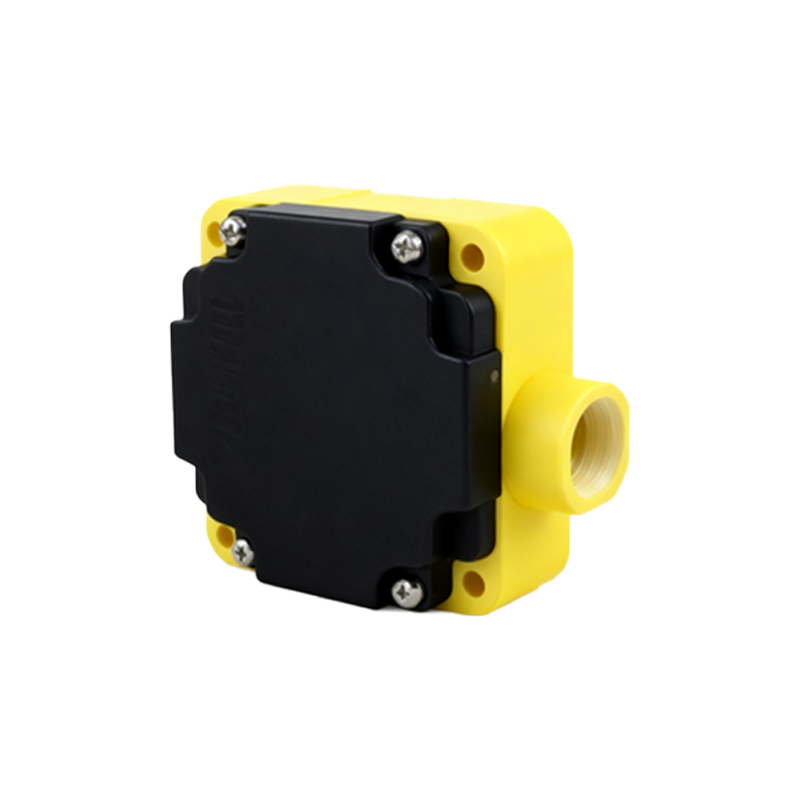
4. Regional Manufacturing and Tariffs: Production location affects final cost. Sensors manufactured in regions with lower labor costs are generally more price-competitive. Furthermore, international trade policies and tariffs can introduce significant price variations for imported sensors in different markets.
5. Order Volume and Packaging: Unit price is heavily influenced by purchase volume, with substantial discounts available for OEM bulk orders compared to single-unit distributor prices. Standard packaging versus customized housings or cabling also leads to cost differences.
Looking forward, several trends will dictate the price trajectory of photoelectric proximity sensors. In the short term (1-3 years), continued supply chain normalization is expected to alleviate some component cost pressures, potentially leading to price stabilization or modest decreases for standard models. However, the demand for miniaturization, enhanced intelligence, and industrial IoT readiness will sustain higher price points for feature-rich sensors. The proliferation of Industry 4.0 applications will drive demand for sensors with embedded intelligence and communication protocols, supporting their value-based pricing.
In the long term (5+ years), further price erosion for basic functionalities is anticipated due to relentless manufacturing optimization and increased competition. The mainstream adoption of advanced, cost-effective MEMS (Micro-Electro-Mechanical Systems) technology in sensing elements could be a game-changer, enabling high performance at lower costs. Conversely, sensors designed for extreme environments (high temperature, washdown) or incorporating novel sensing principles will continue to occupy premium niches. The overall market is likely to see a continued broadening of the price-performance spectrum, allowing end-users to select sensors that precisely match their application requirements and budget constraints.
For procurement specialists and design engineers, the strategy should involve a total cost of ownership (TCO) analysis rather than focusing solely on unit price. Factors such as sensor reliability, longevity, reduction in downtime, ease of integration, and supplier technical support contribute significantly to the long-term value. Engaging with suppliers early in the design phase and considering standardized sensor platforms across machinery can optimize costs. Monitoring commodity trends and diversifying the supplier base can also mitigate price volatility risks.
In conclusion, while the fundamental cost of photoelectric sensing technology continues to become more accessible, the market is dynamically segmented. Prices are influenced by a complex interplay of technology, materials, geopolitics, and application demands. Strategic procurement, aligned with a clear understanding of technical requirements, remains paramount for leveraging these critical components cost-effectively in automated systems.