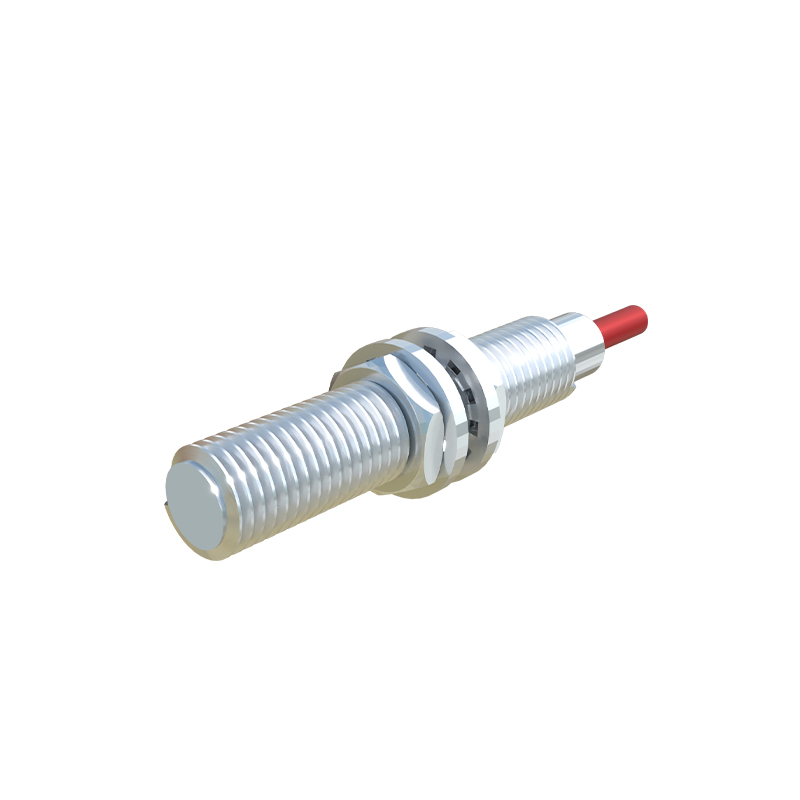
In the realm of automotive diagnostics, oxygen sensors (O₂ sensors) play a pivotal role in monitoring exhaust gas composition to optimize engine performance and reduce emissions. A common scenario that technicians encounter is when the two primary voltage readings from an oxygen sensor—typically representing lean and rich conditions—begin to converge or show minimal variation. This phenomenon warrants careful analysis, as it can indicate underlying issues affecting engine efficiency and compliance with environmental standards.
Oxygen sensors, usually positioned in the exhaust system, generate voltage signals based on the oxygen content in exhaust gases. In a properly functioning system, these readings oscillate between high (approximately 0.8 to 1.0 volts, indicating a rich fuel mixture) and low (around 0.1 to 0.3 volts, signaling a lean mixture). This dynamic fluctuation enables the engine control unit (ECU) to adjust fuel injection in real-time, maintaining the ideal air-fuel ratio for combustion. When the two values converge—for instance, both readings hovering near 0.45 volts—it suggests a loss of sensor sensitivity or a systemic problem preventing normal oscillation.
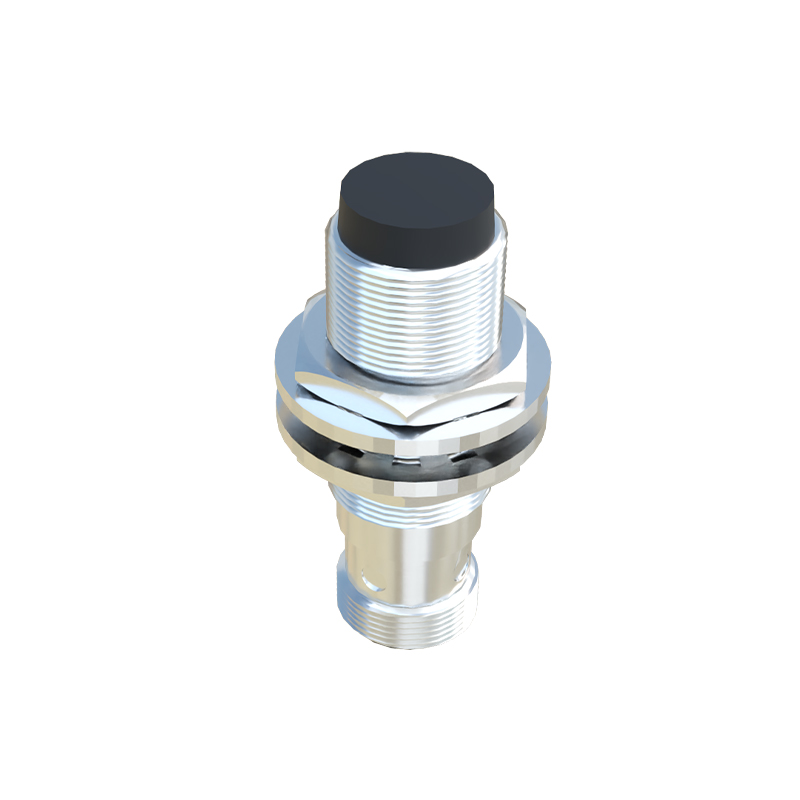
Several factors can lead to converging oxygen sensor readings. First, sensor aging or contamination is a primary culprit. Over time, exposure to high temperatures and exhaust byproducts like oil ash or silicone can coat the sensor element, dulling its response. This results in a "lazy" sensor that fails to detect rapid changes in oxygen levels, causing voltages to stabilize near a midpoint. Second, exhaust leaks upstream of the sensor can introduce false air, skewing oxygen measurements and flattening the voltage curve. Third, fuel system issues, such as a malfunctioning fuel injector or faulty fuel pressure regulator, may disrupt the air-fuel mixture, leading to inconsistent sensor feedback. Additionally, ECU software glitches or wiring problems in the sensor circuit can impede signal transmission, manifesting as convergent readings.
From a diagnostic perspective, technicians should approach converging values with a systematic methodology. Initial steps involve using a scan tool to monitor live data streams, observing the sensor's response time and cross-referencing with other parameters like fuel trim and engine load. A healthy oxygen sensor should switch rapidly—typically several times per second—under steady driving conditions. If convergence is observed, performing a visual inspection of the sensor and exhaust components is essential. Testing sensor voltage with a digital multimeter can confirm whether it operates within specifications. In cases of contamination, cleaning or replacement may be necessary, while exhaust leaks require sealing to restore accuracy.
The implications of ignoring converging readings are significant. Prolonged operation with a compromised oxygen sensor can lead to increased fuel consumption, elevated hydrocarbon and carbon monoxide emissions, and potential damage to the catalytic converter. Modern vehicles rely on precise sensor data to meet stringent emission standards, such as those outlined by the EPA or Euro norms. Thus, timely intervention not only ensures optimal engine performance but also supports environmental sustainability.
In summary, converging oxygen sensor readings serve as a critical diagnostic clue in automotive systems. By understanding the causes—from sensor degradation to external factors—technicians can implement effective repairs, safeguarding engine health and emission control. Regular maintenance, including sensor checks during routine service, can preempt such issues, highlighting the importance of proactive diagnostics in the evolving automotive landscape.