In the realm of industrial automation and electrical engineering, proximity sensors are indispensable components for non-contact detection, object positioning, and process control. Selecting the correct model and specification is paramount for system reliability, efficiency, and safety. This guide provides a detailed overview of the primary proximity sensor models and their key technical specifications, tailored for engineering professionals.
Primary Models and Technologies
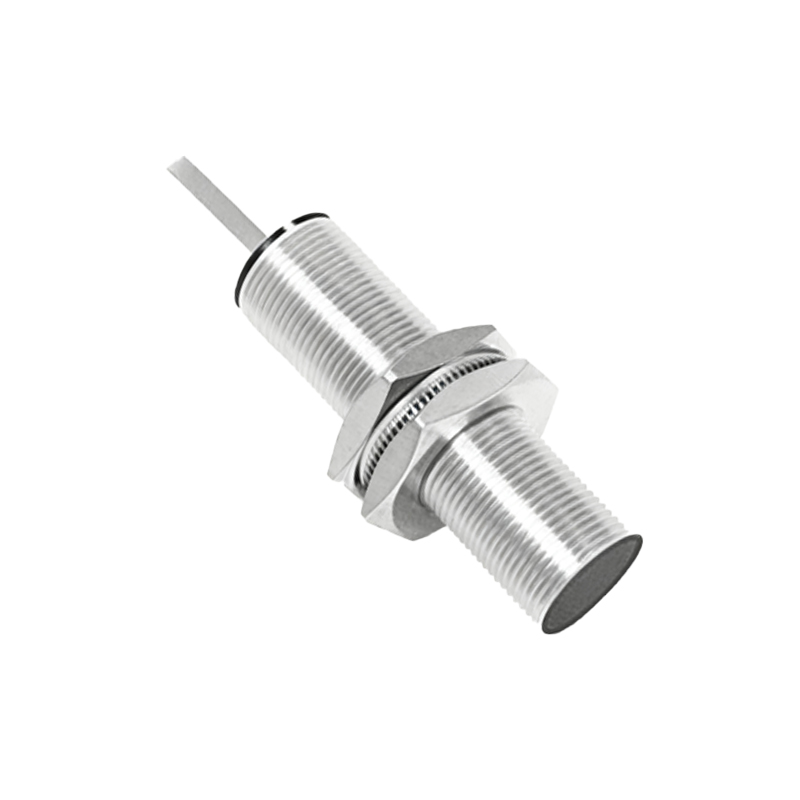
Proximity sensors are broadly categorized by their underlying sensing technology, each suited for specific applications and target materials.
1. Inductive Proximity Sensors: These sensors detect metallic objects, primarily ferrous metals like steel and iron, though some models can sense non-ferrous metals (aluminum, copper) at reduced ranges. They generate an electromagnetic field; when a metal object enters this field, it induces eddy currents, causing a change in the sensor's oscillation amplitude, which triggers the output switch. Common housing styles include cylindrical (e.g., M8, M12, M18, M30 threaded barrels) and rectangular block types. They are highly robust, resistant to environmental contaminants like dust and oil, and offer high switching frequencies, making them ideal for metal detection in machinery, conveyor systems, and automotive manufacturing.
2. Capacitive Proximity Sensors: Capable of detecting a wide range of materials—metals, plastics, glass, wood, liquids, and granular substances—by sensing changes in capacitance. The sensor forms one plate of a capacitor, and the target object forms the other (or alters the dielectric constant). They are used for level detection of liquids or powders, material handling, and non-metallic object detection. Housing is often similar to inductive models but may feature adjustable sensitivity potentiometers to compensate for different materials or to ignore container walls.
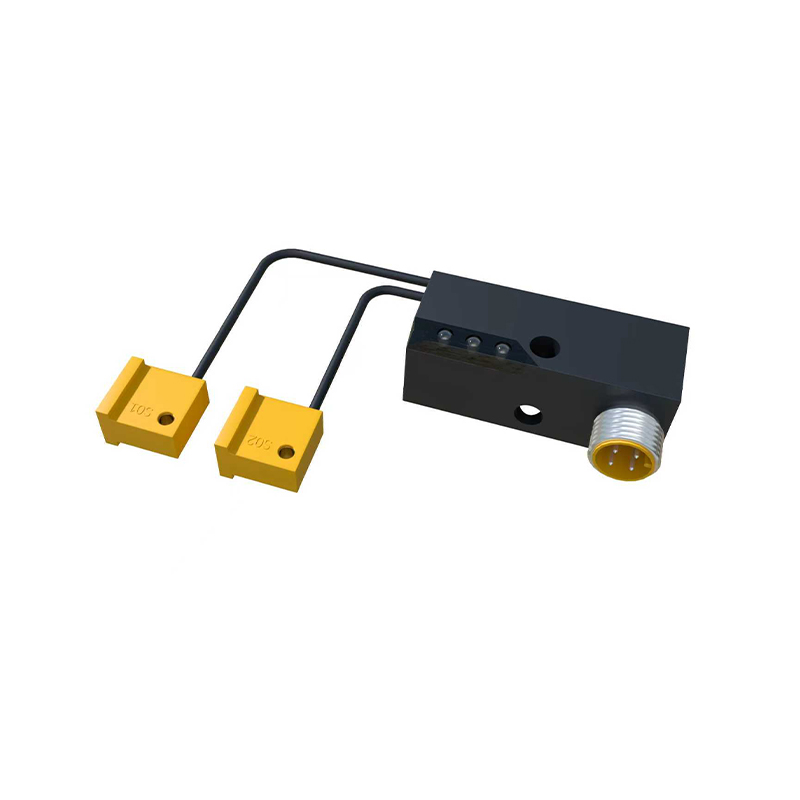
3. Ultrasonic Proximity Sensors: These sensors use sound waves beyond human hearing. They emit ultrasonic pulses and measure the time for the echo to return, calculating distance. This technology is effective for detecting objects of virtually any material, shape, or color, and is excellent for precise distance measurement, transparent object detection, and challenging environments with dust or fog. Models include compact sensors for short ranges and larger sensors for ranges of several meters.
4. Photoelectric Sensors: While often considered a separate category, they function as proximity devices in their diffuse (reflective) mode. They emit a beam of light (visible red, infrared, or laser) and detect the reflection from an object. They offer the longest sensing ranges and can detect small objects. Key variants include through-beam (separate emitter and receiver), retro-reflective (uses a reflector), and diffuse (sensor and target). They are sensitive to color, transparency, and surface finish.
Critical Specifications for Selection
Beyond model type, engineers must meticulously evaluate these specifications:
Sensing Range (Sn): The nominal distance from the sensor's face at which a standard target can be reliably detected. Inductive sensors typically range from 1mm to 40mm; capacitive from 3mm to 40mm; ultrasonic from 20mm to 8m; photoelectric from a few cm to over 50m. Always consider a safety factor (70-80% of Sn) for consistent operation.
Output Type: Defines the electrical switching signal.
DC Models: NPN (sinking, common in Asia/Europe) or PNP (sourcing, common in Americas) transistor outputs for connecting to PLCs. 3-wire and 4-wire designs are standard.
AC Models: Two-wire designs that switch the AC load directly.
Analog Output: Provides a continuous signal (e.g., 4-20mA, 0-10V) proportional to the distance to the target, used for positioning or scaling.
IO-Link: A growing standard for smart sensors, providing digital communication for configuration, diagnostics, and process data exchange.
Housing Material and Protection Rating: The enclosure, typically made of nickel-plated brass, stainless steel (for corrosive/washdown areas), or PBT plastic, must withstand the environment. The Ingress Protection (IP) rating (e.g., IP67, IP69K) indicates resistance to dust and liquids. NEMA ratings are also used in some regions.
Electrical Characteristics: Include operating voltage range (e.g., 10-30V DC, 20-250V AC), current consumption, and load current capacity. Ensure compatibility with the power supply and the connected load (relay, PLC input).
Switching Frequency: The maximum number of on/off cycles per second (Hz). Inductive sensors offer very high frequencies (up to 5kHz), suitable for high-speed counting, while capacitive and