In the world of industrial automation and control systems, inductive proximity sensors are indispensable components. They detect the presence or absence of metallic objects without physical contact, ensuring reliability, longevity, and efficiency in demanding environments. As an experienced electrical engineer, I have worked with numerous brands and models over the years. The question of "which brand is the best" is common, but the answer is nuanced—it depends on specific application requirements, environmental conditions, and budget constraints. This article provides an objective analysis of leading brands in the inductive proximity sensor market to help you make an informed decision.
First, let's clarify what makes a high-quality inductive proximity sensor. Key parameters include sensing distance, repeat accuracy, response frequency, housing material (such as nickel-plated brass or stainless steel), environmental protection ratings (IP67, IP69K), temperature range, and output type (PNP/NPN, NO/NC). A superior sensor offers consistent performance under vibration, shock, and exposure to coolants or oils.
Among the top contenders, Sick stands out for innovation and robustness. German-engineered, Sick sensors are renowned for their precision and durability. The IM12 series, for example, features exceptional shielding against electromagnetic interference and offers very short switching frequencies, ideal for high-speed counting applications. Sick provides extensive documentation and customization options, though their premium quality comes at a higher price point.
Pepperl+Fuchs, another German powerhouse, is a go-to for harsh industrial environments. Their sensors often exceed standard IP ratings, with many models resistant to welding spatter and chemicals. The NBN series is particularly popular for universal applications, offering excellent value and reliability. Pepperl+Fuchs emphasizes user-friendly installation and global support, making them a favorite in automotive and material handling sectors.
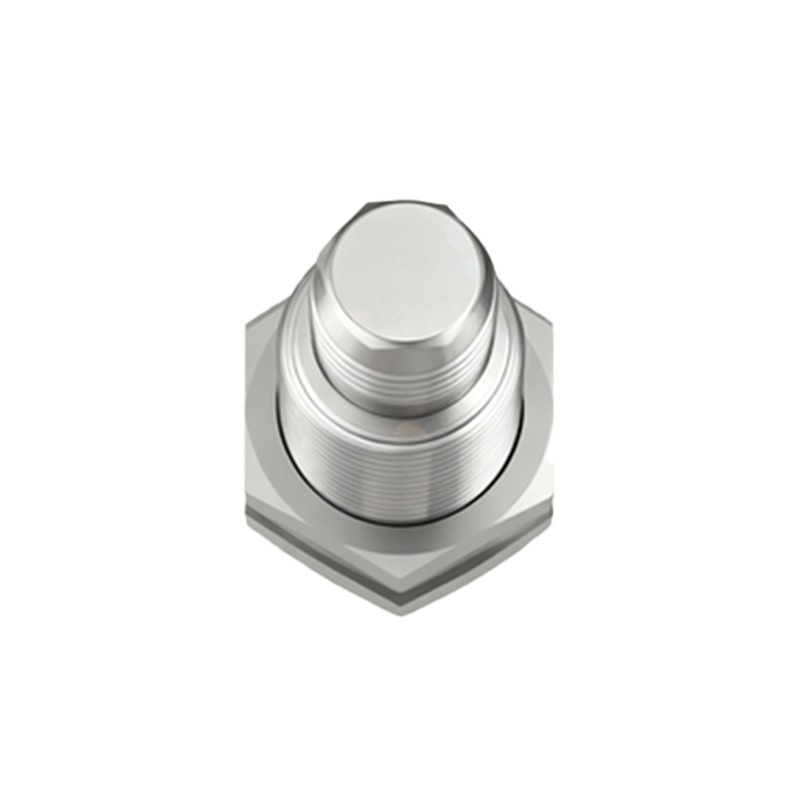
Omron, a Japanese leader, excels in miniaturization and cost-effectiveness without sacrificing performance. The E2E series is a benchmark for compact, full-metal sensors with stable detection capabilities. Omron sensors are widely used in packaging, assembly, and electronics manufacturing due to their consistent quality and broad availability. They strike a good balance between performance and affordability.
Balluff, also German, is synonymous with high-precision and innovative designs. Their BES series includes models with IO-Link capability, enabling smart sensor functionality for Industry 4.0 applications. Balluff sensors are often chosen for complex automation tasks where data exchange and diagnostics are crucial. They represent a solid investment for future-proof systems.
Turck, known for versatility, offers a vast range of inductive sensors with robust connectivity options. Their BI series features modular designs that simplify maintenance and reduce downtime. Turck products are praised for their ruggedness in extreme temperatures and vibrations, common in mining and heavy machinery.
IFM Electronic rounds out the list with a strong focus on ease of use and diagnostic features. Their sensors frequently include LED indicators for quick status checks. The IG series provides reliable performance in standard applications, and IFM's global service network is a significant advantage.
When selecting a brand, consider your specific needs. For ultra-high precision in clean environments, Sick or Balluff may be optimal. For cost-sensitive, high-volume applications, Omron is excellent. In corrosive or extreme conditions, Pepperl+Fuchs or Turck shine. Always verify technical specifications against your operational requirements—factors like target material (steel, aluminum, etc.), mounting constraints, and required certifications (CE, UL) are critical.
In conclusion, there is no single "best" brand universally. The market leaders mentioned above all produce exceptional inductive proximity sensors. Your choice should hinge on a careful evaluation of performance metrics, environmental adaptability, and total cost of ownership. Investing time in selecting the right sensor brand will pay dividends in system reliability and operational efficiency.