In the industrial automation sector, magnetic proximity sensors are indispensable components for position detection, speed monitoring, and safety applications. Their reliability in harsh environments—resistant to dust, moisture, and vibration—makes them a preferred choice across manufacturing, automotive, and material handling industries. However, navigating the pricing landscape can be complex due to varying specifications, brands, and market dynamics. This guide provides a detailed breakdown of magnetic proximity sensor pricing factors and a sample price list to aid procurement decisions.
The cost of magnetic proximity sensors is influenced by several key parameters. First, sensing range plays a critical role; standard models with ranges of 5–10 mm are typically economical, while long-range variants (e.g., 20–30 mm) command higher prices due to advanced coil and magnet designs. Second, output type—such as NPN, PNP, or analog—affects pricing, with analog outputs generally costing 15–20% more than digital versions. Enclosure ratings, like IP67 or IP69K for washdown environments, add to the cost, as do specialized materials like stainless steel housings for corrosive settings. Brand reputation also impacts pricing; established manufacturers like Siemens, Omron, or Pepperl+Fuchs often price sensors 10–30% higher than generic alternatives, reflecting rigorous testing and longer warranties.
A sample price list (in USD, based on mid-2024 market averages) illustrates these variations:
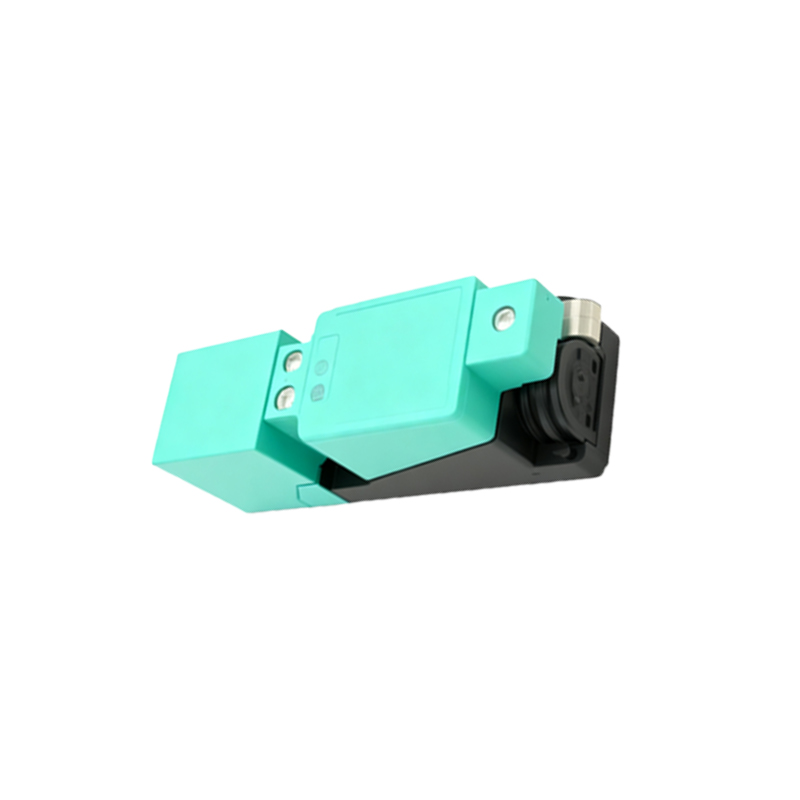
- Basic tubular sensor (8 mm range, NPN output, IP67): $25–$40 per unit.
- Cylindrical sensor with extended range (15 mm, PNP, IP68): $45–$65 per unit.
- Rectangular flat-pack sensor (analog output, IP69K): $70–$100 per unit.
- High-temperature variant (up to 150°C, stainless steel): $120–$180 per unit.
Bulk orders (100+ units) typically reduce costs by 10–15%, while custom configurations (e.g., extended cables or unique mounting) may incur surcharges.
Market trends further shape pricing. The rise of Industry 4.0 has increased demand for smart sensors with IO-Link connectivity, which can cost 20–25% more but offer diagnostic data and easier integration. Supply chain fluctuations, such as semiconductor shortages, may temporarily elevate prices by 5–10%. For cost-effective procurement, consider total cost of ownership: a higher-priced sensor with a 5-year lifespan often outperforms a cheaper model requiring frequent replacements.
To optimize budgets, evaluate application-specific needs. In non-critical tasks like conveyor belt detection, mid-range sensors ($30–$50) suffice, while safety-critical systems (e.g., robotic arms) justify premium investments. Sourcing from authorized distributors ensures authenticity and support, though online marketplaces may offer competitive discounts for standard models. Always request detailed quotations covering lead times, warranty terms, and compliance certifications (e.g., CE, UL).
In summary, magnetic proximity sensor pricing hinges on technical specs, environmental adaptability, and brand value. By aligning specifications with operational requirements, engineers can balance performance and expenditure, ensuring reliable automation without overspending. Regular market reviews and supplier negotiations are recommended to adapt to evolving industrial landscapes.