In the realm of industrial automation and machine control, the reliability and precision of sensing components are paramount. The Proximity Sensor F92A-C-1 stands as a robust and widely implemented solution for non-contact object detection. This article provides a comprehensive technical overview of the F92A-C-1 sensor, detailing its operating principles, key specifications, and typical applications within demanding industrial environments.
The F92A-C-1 is an inductive proximity sensor. Its fundamental operating principle is based on electromagnetic induction. The sensor generates a high-frequency oscillating electromagnetic field from its active face. When a metallic target enters this detection field, eddy currents are induced on the target's surface. This causes a change in the oscillation amplitude within the sensor's internal LC tank circuit. The sensor's circuitry detects this change and triggers a solid-state switching output, typically in the form of a PNP (sourcing) or NPN (sinking) transistor. This non-contact method of detection eliminates mechanical wear, ensuring a long operational life and high reliability, which are critical for continuous production processes.
Key technical specifications define the performance envelope of the F92A-C-1. A standard sensing range is typically 2mm for mild steel targets, though this can vary with different target materials and shapes. The sensor is designed to operate within a wide voltage range, commonly from 10-30V DC, making it compatible with most industrial control systems. Its output configuration is a crucial selection criterion; the "C" variant often denotes a specific output type or connector style, which must be verified against the manufacturer's datasheet for proper integration. The housing is usually constructed from nickel-plated brass or stainless steel, offering excellent resistance to oils, coolants, and physical impacts. Furthermore, it typically features IP67 or higher ingress protection, allowing it to perform reliably in environments with dust exposure or occasional water splashing.
Installation and wiring of the F92A-C-1 require attention to detail for optimal performance. It is a shielded (flush-mountable) sensor, meaning it can be installed flush in a metal bracket without affecting its sensing characteristics, a significant advantage in space-constrained designs. Proper alignment with the target path is essential to achieve the rated sensing distance. When wiring, it is imperative to observe the correct polarity and to connect the load (e.g., a PLC input, relay, or indicator lamp) in series with the output. Incorporating protective devices like surge suppressors is recommended when switching inductive loads to safeguard the sensor's internal electronics from voltage spikes.
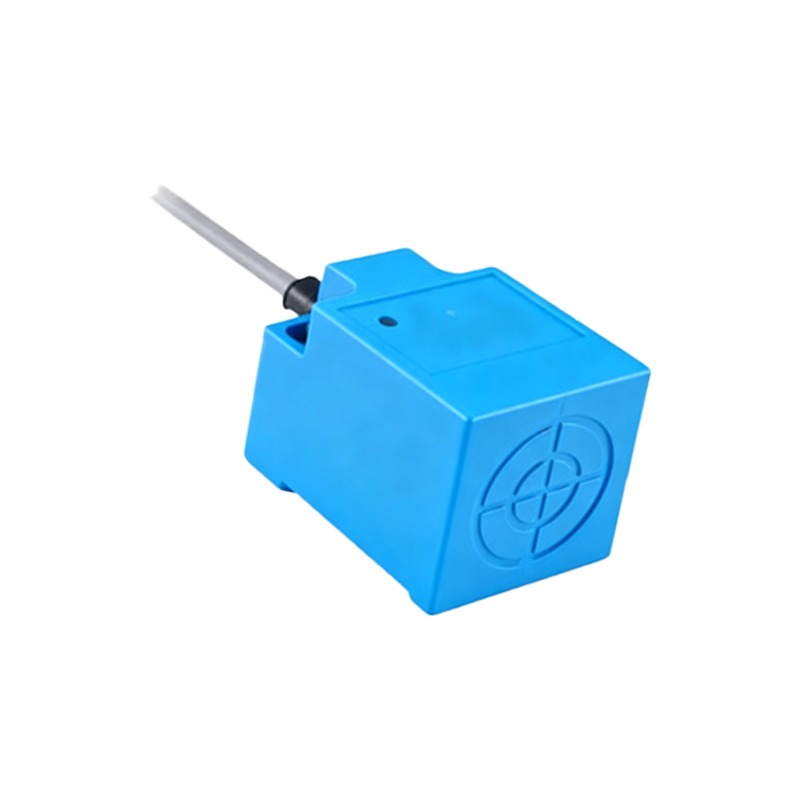
The applications for the F92A-C-1 proximity sensor are extensive across various industries. In automotive manufacturing, it is used for part presence verification on assembly lines, such as confirming a cylinder head is in place before a machining operation. In packaging machinery, it detects the position of metallic components on rotating cams or verifies the passage of foil-sealed containers. Within material handling systems, these sensors are employed for end-of-travel detection on actuators, pallet positioning, and counting metallic objects on conveyor belts. Its robustness also makes it suitable for harsh environments like metal stamping presses or welding cells, where it monitors tool position or provides safety interlocking.
When selecting a sensor for a specific task, comparing the F92A-C-1 against alternatives like capacitive or ultrasonic sensors is necessary. While inductive sensors excel with metallic targets, capacitive sensors can detect non-metallic materials, and ultrasonic sensors offer longer ranges. Therefore, the nature of the target material, required sensing distance, environmental conditions, and response speed are all critical factors in the selection process. Regular maintenance, though minimal, involves keeping the sensing face clean from buildup of metallic swarf or conductive debris, which could potentially cause false triggering.
In conclusion, the Proximity Sensor F92A-C-1 represents a mature and highly dependable technology for industrial metal detection. Its non-contact operation, rugged construction, and consistent performance under tough conditions make it a staple component in control panels and machinery worldwide. Understanding its specifications, correct installation practices, and ideal application scenarios enables engineers and technicians to leverage its capabilities fully, contributing to enhanced machine efficiency, safety, and automated process reliability.