In the demanding world of industrial automation and control, proximity switch sensors are indispensable components for non-contact detection of metallic and, in some cases, non-metallic objects. Their reliability directly impacts system uptime, safety, and efficiency. Among the various configurations available, 3-wire DC sensors have become the de facto standard for their straightforward integration and performance. However, when applications involve harsh environments—such as washdown areas in food processing, outdoor machinery, foundries, or engine compartments—standard models fall short. This is where specialized 3-wire waterproof and high-temperature resistant proximity sensors become critical. This article delves into their design, key specifications, and application considerations.
The fundamental advantage of a 3-wire DC sensor lies in its simple wiring scheme, typically comprising power (brown wire), ground (blue wire), and a switched output (black wire). This output can be either NPN (sinking) or PNP (sourcing), allowing compatibility with a wide range of PLCs and controllers. The core challenge for harsh-environment models is to maintain this functionality while withstanding external stressors.
Waterproof and Dustproof Design: The IP Rating
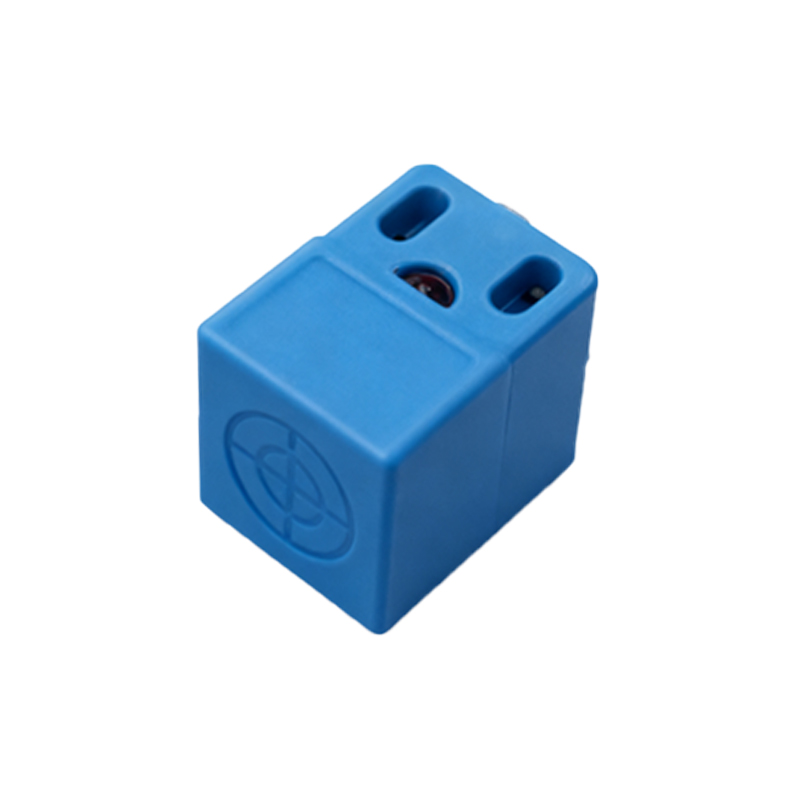
Protection against ingress is quantified by the Ingress Protection (IP) rating. For reliable operation in wet, humid, or dusty conditions, a high IP rating is essential.
IP67: This is a common standard for waterproof sensors. It guarantees protection against temporary immersion in water (up to 1 meter for 30 minutes) and is completely dust-tight. Sensors with this rating are suitable for most washdown scenarios and outdoor use where they may be exposed to rain or hose-directed water.
IP68 & IP69K: For more extreme conditions, IP68-rated sensors can withstand continuous immersion under specified pressure and time, often used in submersible applications. IP69K represents the highest level, providing protection against close-range, high-pressure, high-temperature water jets (typical of sanitary cleaning processes in the pharmaceutical and food & beverage industries). The sensor housing, often made of stainless steel (e.g., AISI 303, 304, or 316L) or high-grade PBT/PPS plastics, and a meticulously designed seal (using materials like FKM/Viton or silicone O-rings) are crucial to achieving these ratings.
High-Temperature Resistance: Materials and Construction
Standard proximity sensors are typically rated for an ambient temperature range of -25°C to +70°C. High-temperature models push these limits significantly, often operating reliably in ambient temperatures from -40°C up to +100°C, +120°C, or even higher. This capability is achieved through several design elements:
1. Thermal-Resistant Materials: The housing and sensing face utilize materials that retain their mechanical strength and sealing properties at elevated temperatures. Ceramic sensing faces are common in high-temp models due to their excellent thermal stability and resistance to thermal shock.
2. High-Temperature Electronics: Internal components, including the oscillator, amplifier, and output switching circuit, are selected and potted with specialized, thermally stable compounds. This potting compound protects the circuitry from thermal expansion stresses, vibration, and moisture ingress.
3. Heat Dissipation: The design may incorporate features to dissipate heat away from the sensitive electronic core, such as thermal pads or specific housing geometries.
Key Selection Criteria for Harsh Environments
When specifying a 3-wire waterproof, high-temperature resistant proximity sensor, engineers must consider these parameters beyond the basic sensing range and output type:
Operating Temperature Range: Verify both the ambient temperature and, if applicable, the temperature of the target object. A hot metal part in a foundry can radiate significant heat.
IP Rating: Match the rating to the actual environmental exposure. IP67 is often sufficient for occasional splashing, while IP69K is mandatory for aggressive industrial cleaning.
Housing Material: Stainless steel offers superior corrosion resistance against chemicals and cleaning agents. Nickel-plated brass is another robust option. The material must be compatible with the temperature and the chemical environment.
Electrical Connections: Options include fixed cables or connectors (often M8 or M12). Connector systems must also have a matching IP rating. For high-vibration areas, a robust strain relief on the cable entry is vital.
Sensing Performance: Note that extreme temperatures can slightly affect the nominal sensing distance. Reputable manufacturers provide derating curves in their datasheets.
Typical Applications
These ruggedized sensors are deployed across numerous sectors:
Food & Beverage and Pharmaceutical: On filling lines, packaging machines, and processing equipment that undergo frequent high-pressure, high-temperature steam or chemical cleaning (CIP - Clean-in-Place