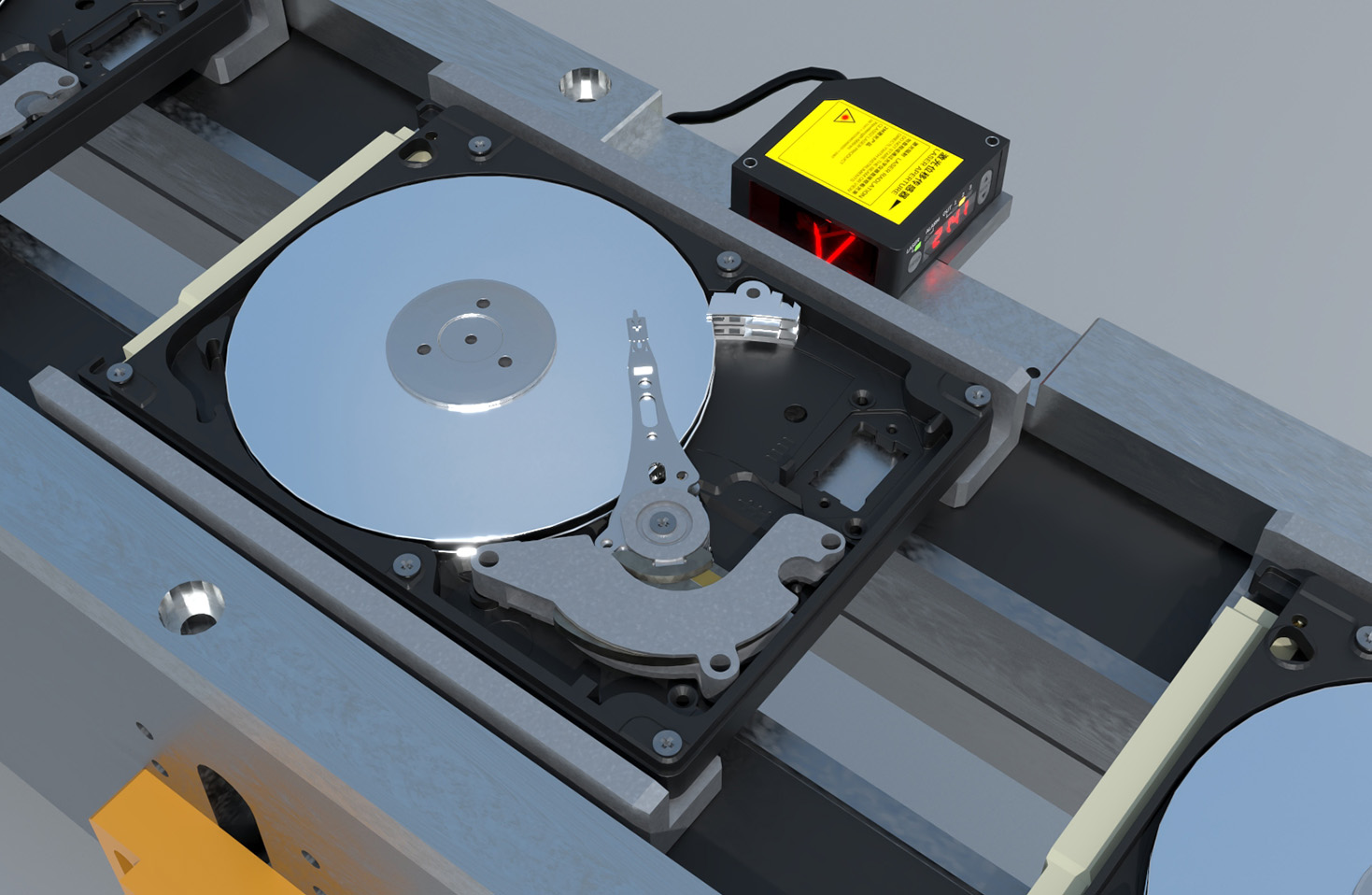
Laser sensors have become indispensable tools in modern industrial automation, offering unparalleled precision and reliability. These devices operate by emitting a focused beam of light, typically in the visible or infrared spectrum, and measuring the reflection to determine distance, position, or presence of objects. The core principle relies on time-of-flight, triangulation, or phase-shift measurement techniques, each suited for specific applications. For instance, time-of-flight sensors calculate distance based on the time taken for the laser pulse to return, making them ideal for long-range measurements in logistics or construction. Triangulation sensors, on the other hand, use geometric angles to achieve micron-level accuracy, commonly deployed in quality control for manufacturing.
In industrial settings, laser sensors excel due to their non-contact nature, which eliminates wear and tear and allows for high-speed operations. They are widely used in automotive assembly lines for part alignment, in electronics for component inspection, and in packaging for fill-level detection. Environmental factors like dust, humidity, or ambient light can affect performance, but advanced models incorporate filtering algorithms and protective housings to mitigate these issues. Key specifications to consider include measurement range, resolution, response time, and beam type—point, line, or array—depending on the task.
Recent advancements have integrated laser sensors with IoT and AI systems, enabling predictive maintenance and real-time data analytics. For example, smart factories use networked laser sensors to monitor equipment vibration or detect anomalies in production lines, reducing downtime. Despite their advantages, challenges such as cost and calibration complexity persist, especially for high-precision applications. Engineers must evaluate factors like target material reflectivity and surface texture during selection, as dark or rough surfaces may scatter light, impacting accuracy.

Looking ahead, innovations in miniaturization and energy efficiency are expanding laser sensor applications into robotics and wearable technology. As industries embrace Industry 4.0, the demand for robust, adaptive sensing solutions will only grow. By understanding the operational principles and practical considerations, professionals can leverage laser sensors to enhance automation, improve safety, and drive innovation across sectors.