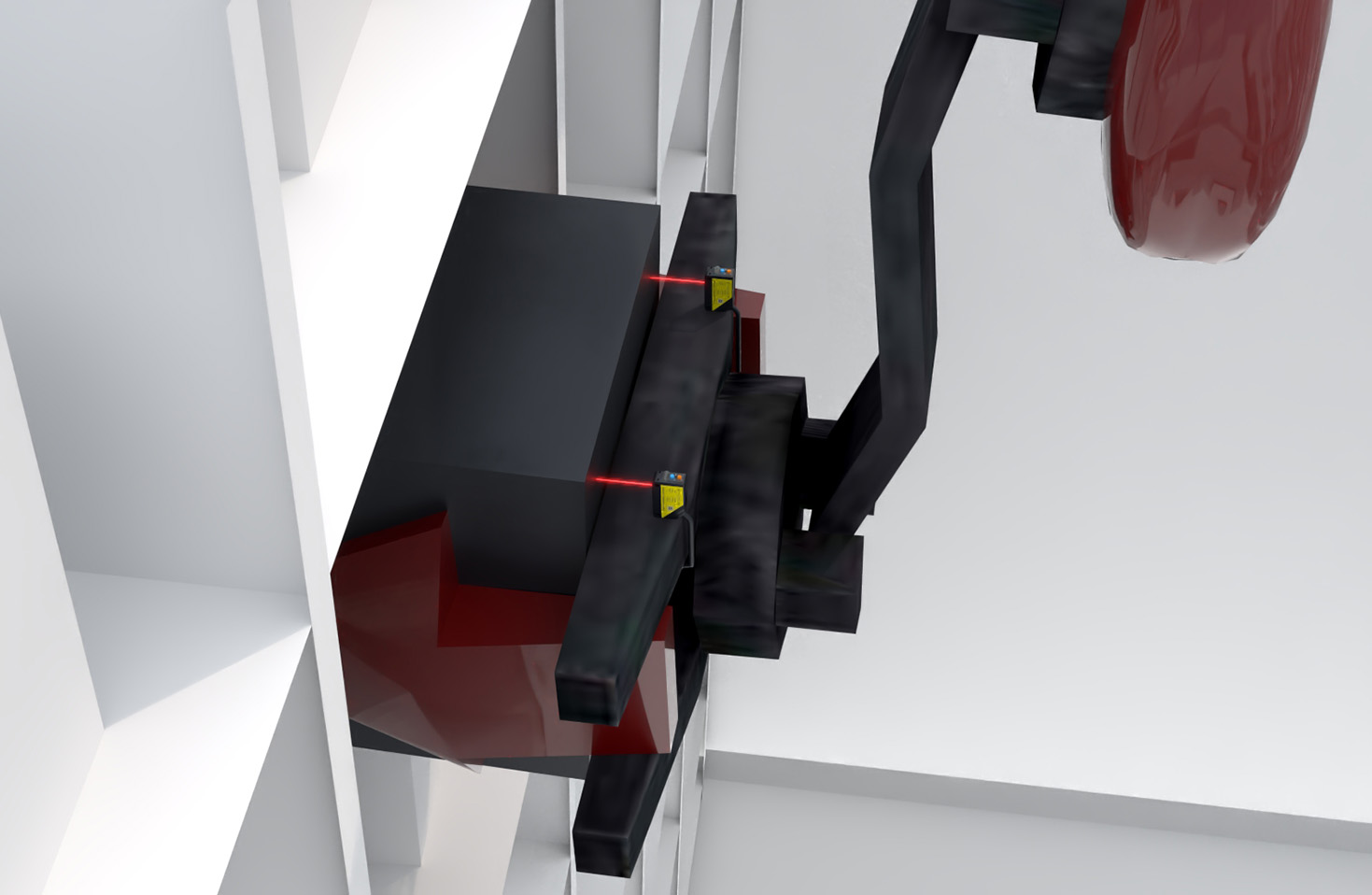
In modern industrial automation and safety systems, foreign object laser sensors have become indispensable tools for detection, monitoring, and control. These sensors operate on the fundamental principle of using laser beams to identify the presence, size, and position of unwanted objects in a given environment. Typically, they consist of a laser emitter, a receiver, and a processing unit. The emitter projects a focused laser beam toward a target area. When the beam encounters a foreign object—such as debris, tools, or unintended materials—it is either reflected, absorbed, or scattered. The receiver detects changes in the laser beam's properties, such as intensity, phase, or time-of-flight, and sends this data to the processing unit for analysis.
One common method employed is the time-of-flight (ToF) technique. Here, the sensor measures the time it takes for the laser pulse to travel to the object and back. By calculating this duration and knowing the speed of light, the sensor can determine the distance to the object with high precision. This allows for accurate detection of foreign objects even in dynamic or cluttered settings, such as conveyor belts, manufacturing lines, or robotic workspaces. Another approach is triangulation, where the laser emitter and receiver are positioned at known angles. When the beam hits an object, the reflected light is captured by the receiver at a specific point. Using geometric calculations, the sensor can pinpoint the object's location in three-dimensional space. This method is particularly effective for detecting small or irregularly shaped items that might be missed by other sensors.
Laser sensors offer several advantages over traditional detection methods like mechanical switches or ultrasonic sensors. They provide non-contact operation, reducing wear and tear and minimizing maintenance needs. Their high resolution and fast response times enable real-time monitoring, which is critical in high-speed industrial processes. Additionally, laser beams can be finely tuned to specific wavelengths, allowing them to operate effectively in various environmental conditions, including low light, dust, or vibration. For instance, in the automotive industry, these sensors are used to inspect assembly lines for stray components that could cause malfunctions. In logistics, they help ensure that packaging lines are free of obstructions, preventing jams and downtime.
However, the effectiveness of foreign object laser sensors depends on proper calibration and integration. Factors like ambient light, surface reflectivity, and object material can influence detection accuracy. To mitigate these issues, advanced sensors incorporate features like background suppression, which filters out irrelevant signals, and adaptive algorithms that adjust sensitivity based on environmental changes. Regular maintenance, such as lens cleaning and software updates, is also essential to ensure long-term reliability.
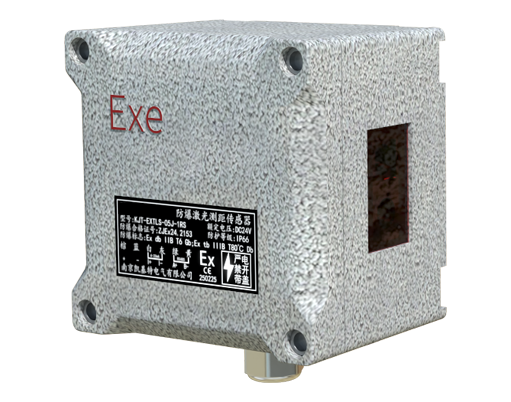
Looking ahead, innovations in laser technology and artificial intelligence are enhancing the capabilities of these sensors. Machine learning algorithms can now analyze detection patterns to predict potential failures or optimize system performance. Integration with IoT platforms allows for remote monitoring and data analytics, enabling proactive maintenance and improved operational efficiency. As industries continue to automate and prioritize safety, foreign object laser sensors will play an increasingly vital role in preventing accidents, reducing waste, and boosting productivity. By understanding their principles and applications, engineers can leverage these tools to create smarter, more resilient industrial systems.