In the realm of industrial automation and control systems, proximity sensors stand as fundamental components, enabling machines to "sense" the presence or absence of objects without physical contact. These non-contact sensors are pivotal for enhancing efficiency, safety, and reliability in countless applications. This article delves into the core concepts, various types, operational principles, and key applications of proximity sensors.
At its essence, a proximity sensor is a device that detects the presence or absence of a nearby object, or measures the distance to that object, and converts this information into an electrical signal. The term "proximity" implies closeness, and these sensors perform their function without needing to touch the target, distinguishing them from limit switches. This non-contact nature eliminates mechanical wear and tear, allows for high-speed operation, and enables detection of delicate or unstable objects.
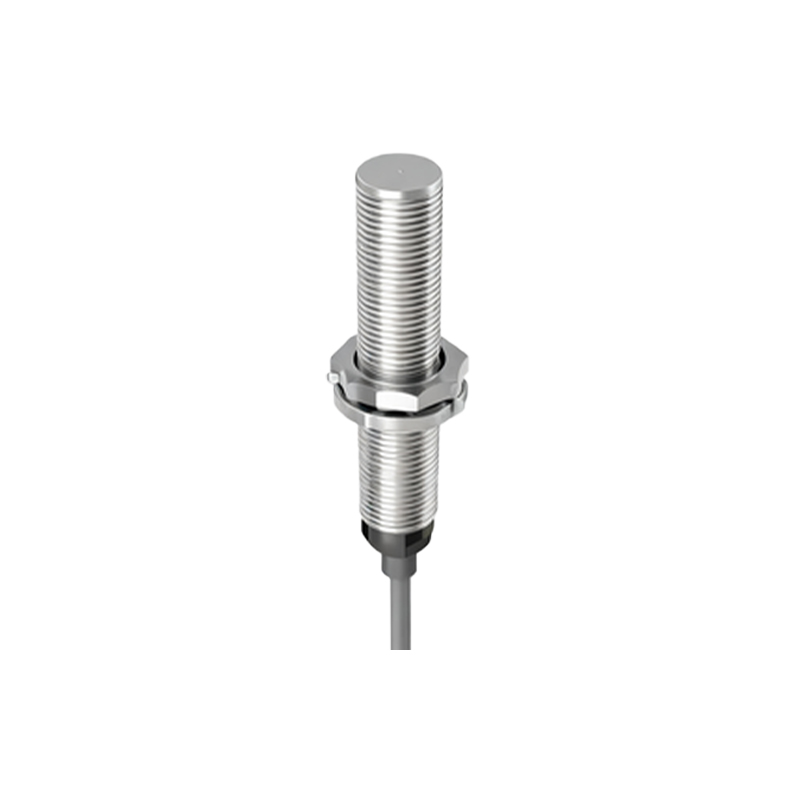
Proximity sensors are primarily categorized based on their underlying detection technology. The most common types include Inductive, Capacitive, Ultrasonic, and Photoelectric sensors. Each type has distinct characteristics suited for specific materials and environments.
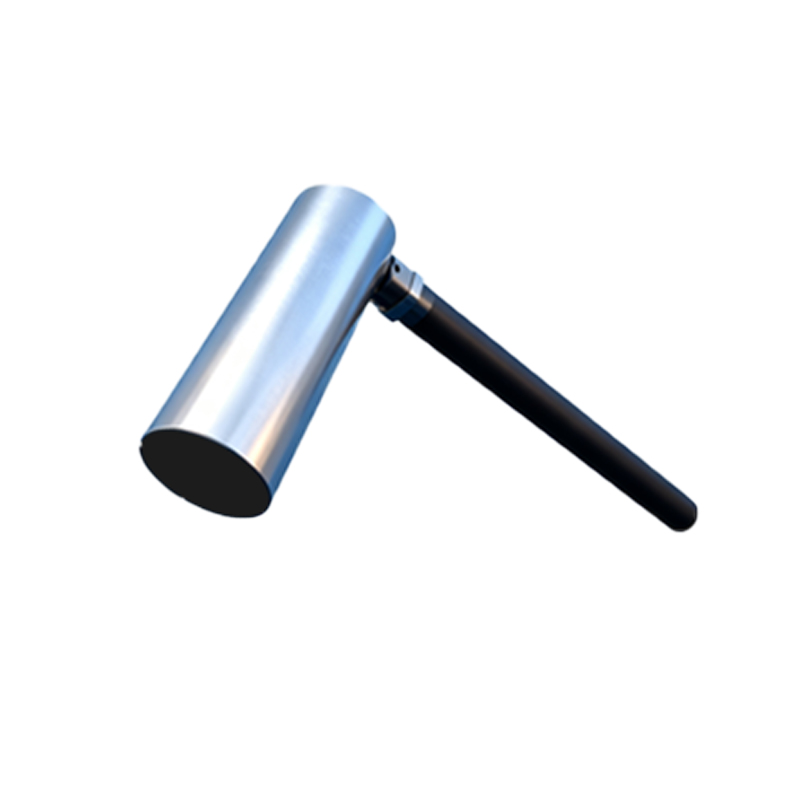
Inductive Proximity Sensors are the workhorses of metal detection. They generate an electromagnetic field. When a metallic object enters this field, it induces eddy currents within the metal, causing a change in the sensor's oscillation amplitude. This change is detected and triggers a switching output. Inductive sensors are robust, reliable, and ideal for detecting ferrous and non-ferrous metals in harsh industrial settings like machine tools, automotive assembly, and material handling. They are largely unaffected by non-metallic substances like dust, oil, or water.
Capacitive Proximity Sensors, on the other hand, can detect both metallic and non-metallic materials—liquids, plastics, wood, glass, and granular substances. They function by generating an electrostatic field. Any object that enters this field alters the capacitance of the sensor's circuit. This capacitance change is measured to detect the object. These sensors are perfect for level detection in tanks (e.g., liquid or powder), material handling of non-metals, and presence detection of packaged goods. Their sensitivity can often be adjusted, but they can be influenced by environmental factors like humidity.
Ultrasonic Proximity Sensors operate by emitting high-frequency sound waves (ultrasound) and listening for the echo reflected from a target object. By calculating the time interval between emission and reception, they can determine the distance to the object. This technology allows for precise distance measurement and detection of objects regardless of their color, transparency, or material (though sound-absorbing materials can be challenging). Common applications include pallet detection, loop control, liquid level sensing, and collision avoidance in automated guided vehicles (AGVs).
Photoelectric Sensors use light beams to detect objects. They consist of a light emitter (usually an LED) and a receiver. When an object interrupts or reflects the light beam, the receiver detects the change in light intensity, triggering an output. They offer the longest sensing ranges among proximity sensors and can detect virtually any material. Sub-types include through-beam (sender and receiver are separate units), retro-reflective (uses a reflector), and diffuse (reflective), where the sensor uses light reflected directly from the object. They are ubiquitous in packaging, bottling, and assembly line automation for counting, positioning, and inspection.
The output of a proximity sensor is typically a discrete on/off signal (digital switch), though analog versions provide a continuous signal proportional to distance. These outputs interface seamlessly with Programmable Logic Controllers (PLCs), motor drives, and other control systems.
Selecting the right proximity sensor requires careful consideration of several factors: the material of the target object, the required sensing distance, the operating environment (temperature, presence of chemicals or washdown needs), the required response speed, and the electrical output type. For instance, an inductive sensor is useless for detecting a plastic bottle, just as a standard photoelectric sensor may struggle in a very dusty environment where an ultrasonic sensor might excel.
In conclusion, proximity sensors are indispensable eyes of modern industry. From ensuring a robotic gripper picks up a component correctly, to preventing a CNC machine from crashing, to counting boxes on a high-speed conveyor, their role is critical. Understanding the different technologies—inductive for metals, capacitive for varied materials, ultrasonic for distance and challenging conditions, and photoelectric for long-range and versatility—empowers engineers and technicians to design smarter, more efficient, and safer automated systems. Their continued evolution, including miniaturization and enhanced intelligence with IO-Link communication, promises even greater integration and functionality in the factories of the future.