In the realm of industrial automation, proximity sensors are indispensable components for non-contact detection, and the RXQV-OOA-XUF model stands as a robust example of this technology. Designed for demanding environments, this sensor offers reliable performance critical for modern manufacturing, packaging, and material handling systems. This article provides a technical overview of the RXQV-OOA-XUF, detailing its specifications, operational principles, and key application scenarios.
The RXQV-OOA-XUF is typically an inductive proximity sensor. This means it generates an electromagnetic field to detect the presence of metallic objects without physical contact. When a conductive metal target enters this field, it induces eddy currents within the target, causing a change in the sensor's own oscillation amplitude. This change is detected by the internal circuitry, which subsequently triggers a switching signal. The "OOA" suffix often denotes specific characteristics such as the sensing distance, output type (e.g., PNP or NPN transistor), and connection style (e.g., pre-wired cable or connector version). The "XUF" likely indicates a particular housing material, thread size, or a series variant designed for enhanced environmental resistance.
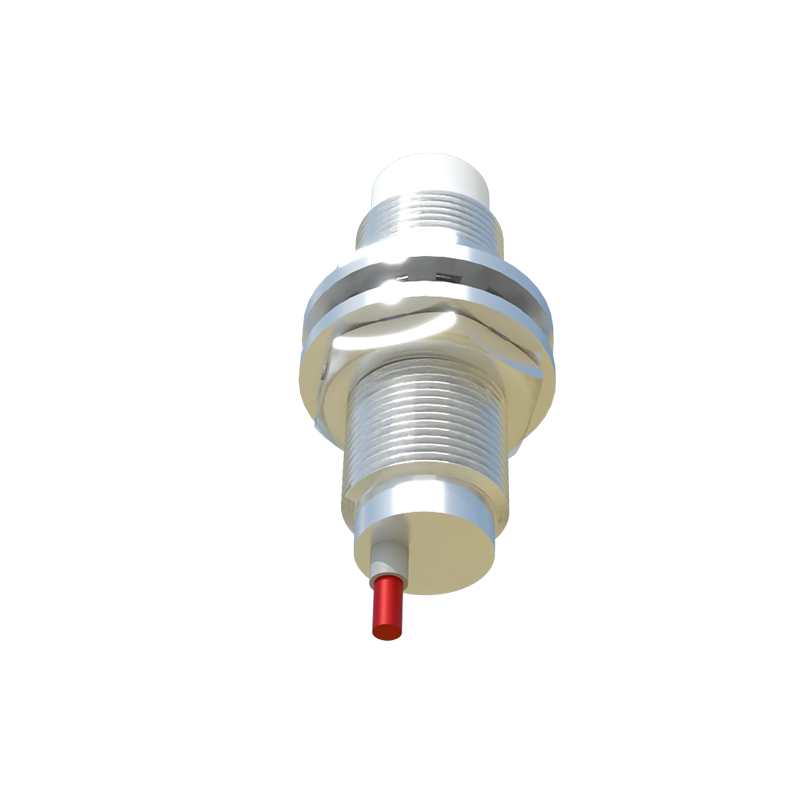
Key technical specifications commonly associated with sensors like the RXQV-OOA-XUF include a nominal sensing range, which for standard cylindrical models might be up to 15mm for steel targets. It operates within a defined supply voltage range, typically 10-30V DC, ensuring compatibility with standard industrial control systems. The output is a solid-state switch, offering high switching frequency and longevity compared to mechanical switches. A critical feature is its environmental robustness; it often boasts an IP67 or higher ingress protection rating, making it resistant to dust and temporary immersion in water. Furthermore, it is built to withstand electrical noise, vibration, and temperature fluctuations commonly found on factory floors.
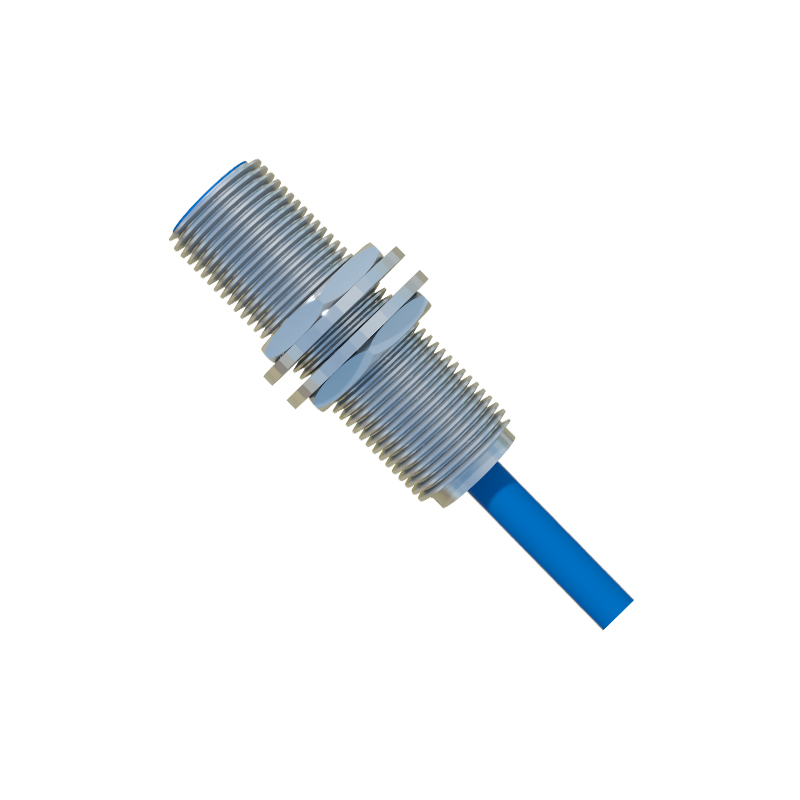
The operational principle guarantees several advantages. First, the non-contact nature eliminates mechanical wear on the sensor itself, leading to exceptional service life and reduced maintenance. Second, it allows for high-speed detection, capable of sensing objects at rates suitable for fast-moving production lines. Third, it is highly reliable, unaffected by surface conditions like dirt, oil, or moisture that could impede optical or mechanical sensors, provided these contaminants are non-metallic.
In practical industrial applications, the RXQV-OOA-XUF finds utility across numerous functions. A primary use is position verification. It can confirm if a robotic gripper has picked up a metal part, if a cylinder has reached the end of its stroke, or if a metal workpiece is correctly seated in a fixture. In conveyor systems, it is used for part counting and jam detection by sensing the passage of metal items or components on pallets. Within automated machinery, it serves as an end-of-travel limit switch for metal slides or actuators, providing a safety signal to the PLC (Programmable Logic Controller). Another common application is in rotary systems for speed monitoring or indexing control by detecting bolts, gear teeth, or other metallic features on a rotating shaft.
Installation and wiring are straightforward but require attention to detail. The sensor must be mounted securely, with consideration for the correct sensing distance and avoidance of surrounding metal (the "flush-mountable" feature if applicable). Wiring must adhere to the specified output configuration (sourcing or sinking) to match the PLC input module. A diagnostic LED is typically integrated, providing visual indication of power status and output activation, which is invaluable for troubleshooting.
When selecting a sensor like the RXQV-OOA-XUF for a specific task, engineers must evaluate several parameters: the required sensing distance, the material and size of the target object, the required switching frequency, the environmental conditions (temperature, presence of chemicals), and the electrical interface. For instance, sensing a small aluminum target requires a different correction factor than sensing mild steel, as aluminum is less conductive.
In conclusion, the RXQV-OOA-XUF proximity sensor exemplifies the reliability and efficiency required in industrial automation. Its inductive sensing technology provides a durable, fast, and non-contact solution for myriad detection tasks involving metallic objects. By understanding its specifications and correctly applying it within a control system, maintenance and automation engineers can ensure precise machine operation, enhance safety, and optimize production throughput. As with all industrial components, consulting the official manufacturer's datasheet for the exact model is paramount for precise technical details and application guidelines.