In the rapidly evolving landscape of industrial automation and machinery, proximity sensors stand as critical components for non-contact detection, ensuring precision, safety, and efficiency. Selecting the right proximity sensor manufacturer is not merely a procurement task; it is a strategic decision that impacts your production line's reliability and your product's overall quality. This guide focuses on the crucial step of establishing contact with a potential manufacturing partner and what to consider before you pick up the phone or send that initial email.
The journey begins long before you dial a number. A clear understanding of your application requirements is paramount. Are you dealing with inductive, capacitive, ultrasonic, or photoelectric sensors? What are the specific sensing ranges, environmental conditions (temperature, pressure, potential washdowns), output types (PNP/NPN, analog, IO-Link), and housing materials required? Having detailed specifications at hand will make your conversation with a proximity sensor factory infinitely more productive. It signals professionalism and allows their technical sales team to provide accurate, tailored solutions rather than generic catalog options.
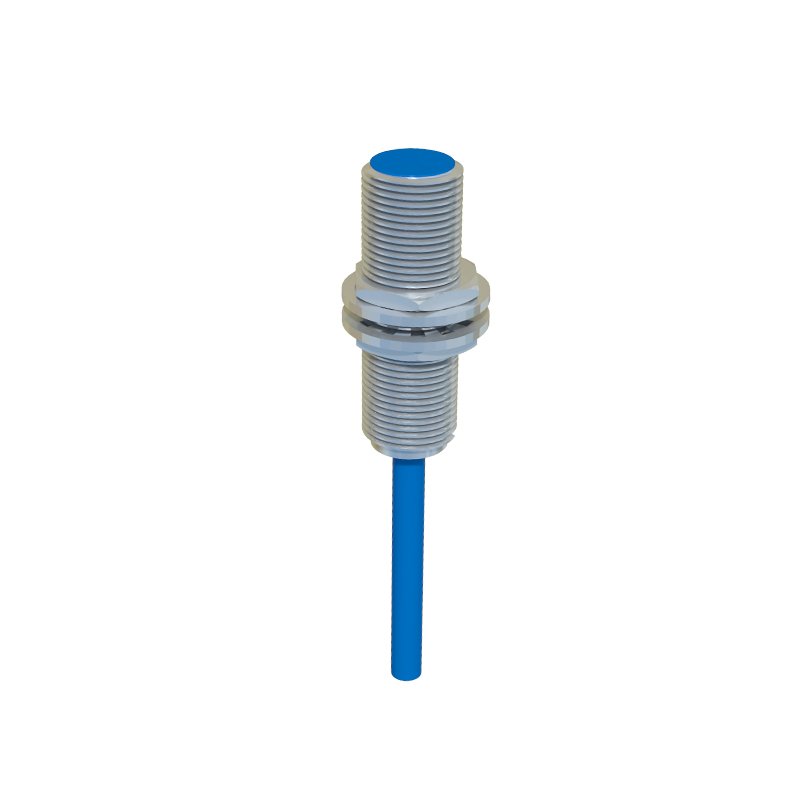
Research is your most powerful tool. Utilize industry directories, B2B platforms like Thomasnet or Alibaba, and technical publications to compile a list of potential proximity sensor manufacturers. Pay close attention to their online presence. A professional website with comprehensive technical documentation, downloadable datasheets, CAD models, and clear application notes is a strong indicator of a serious and capable supplier. Look for certifications such as ISO 9001 for quality management, and specific industry standards like ATEX for hazardous environments if applicable to your operations. Reviews, case studies, and client testimonials can offer invaluable insights into their reliability and customer service ethos.
When you have a shortlist, the act of contacting the manufacturer becomes strategic. The general inquiry phone number or contact form on their website is the standard entry point. However, for complex technical projects, seeking out direct lines to the engineering or applications department can yield better results. Be prepared for your initial call. A structured approach is recommended: introduce yourself and your company concisely, state your application need clearly, and be ready to discuss your key specifications. Key questions to ask the manufacturer include:
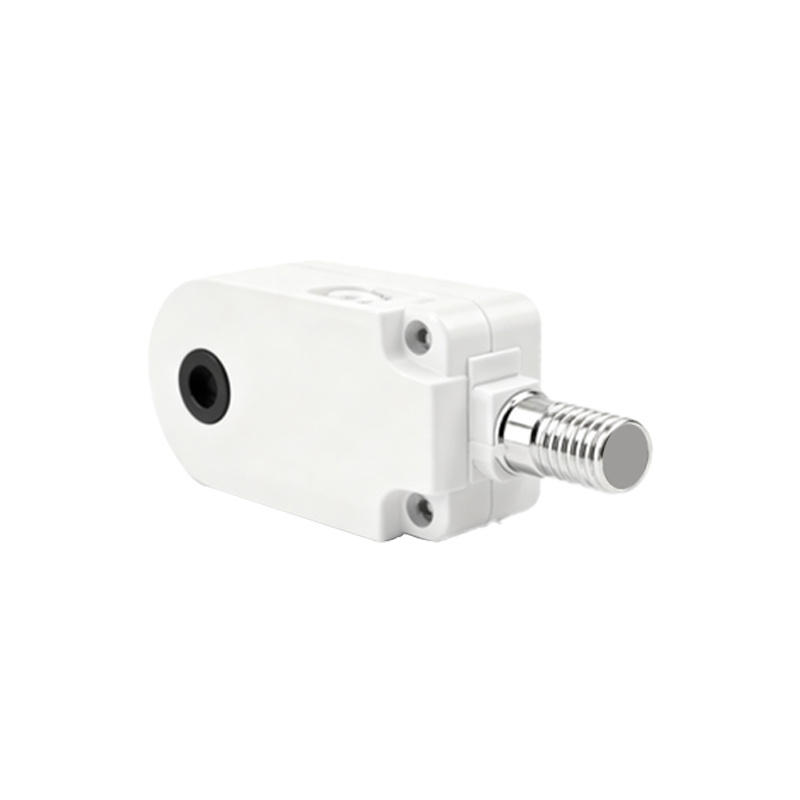
What is your standard lead time, and what options exist for rush orders or prototyping?
Can you provide custom design services for non-standard requirements?
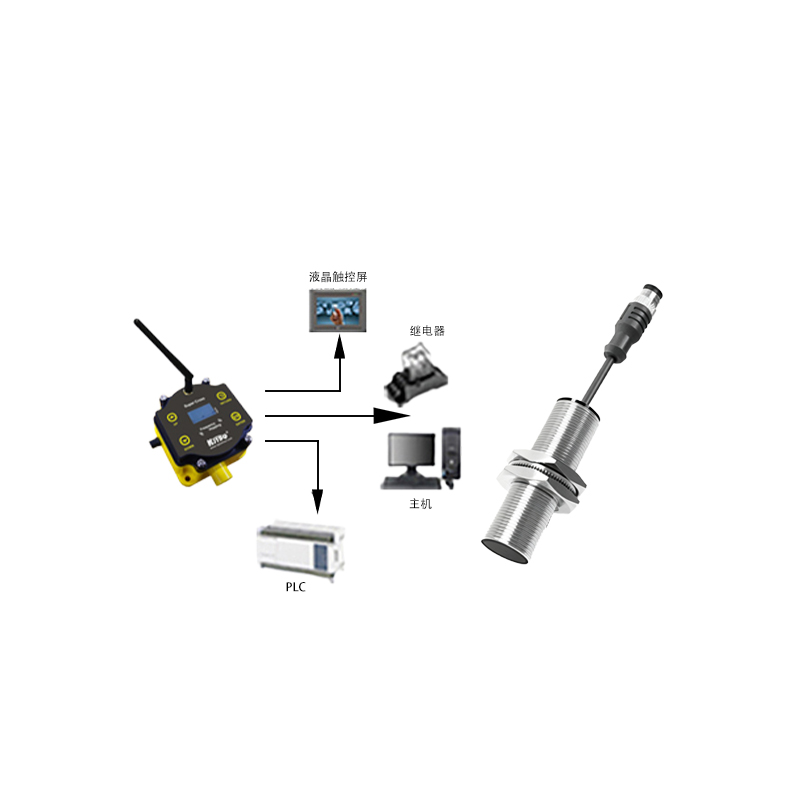
What is your quality control process, and what are your typical defect rates?
Do you offer comprehensive technical support, both pre-sale and post-sale?
What are your minimum order quantities (MOQs) for standard and custom parts?
Can you provide references from clients in a similar industry?
The responsiveness and expertise demonstrated during this first contact are telling. A reputable proximity sensor factory will have knowledgeable staff who ask insightful follow-up questions, propose potential solutions, and offer to send detailed quotations and samples. The willingness to provide sensor samples for testing and evaluation is a critical factor. It allows you to validate performance in your actual application environment, which is irreplaceable.
Beyond the initial phone call, consider the broader partnership. Evaluate their logistical capabilities, warranty terms, and return policies. In today's global supply chain, understanding their distribution network and inventory management is essential for avoiding production delays. A manufacturer that acts as a solutions partner, rather than just a component vendor, can add significant long-term value through design collaboration and lifecycle support.
In conclusion, finding and contacting the right proximity sensor manufacturer requires a blend of thorough preparation, targeted research, and strategic communication. The factory's phone number is merely a gateway; the true measure of a suitable partner lies in the technical competence, collaborative spirit, and proven reliability you discover through the process. Investing time in this due diligence ensures that the sensors at the heart of your automation systems are sourced from a partner capable of meeting your technical and commercial needs today and scaling with you into the future.