In recent years, laser-based humidity sensing has emerged as a transformative technology in industrial monitoring and control systems. Unlike traditional capacitive or resistive sensors, laser humidity sensors utilize advanced optical techniques to measure water vapor concentration with exceptional precision and stability. The core principle involves directing a laser beam at a specific absorption wavelength for water molecules—often in the near-infrared spectrum—through a sample gas. As the beam passes, water vapor absorbs a portion of the light, and the degree of attenuation is precisely measured using photodetectors. This absorption data is then processed via algorithms, such as Tunable Diode Laser Absorption Spectroscopy (TDLAS), to calculate absolute humidity levels, typically expressed in units like grams per cubic meter or parts per million by volume.
One of the most significant advantages of laser humidity sensors is their high accuracy and minimal drift over time. Traditional sensors can be affected by contaminants, temperature fluctuations, or aging, leading to calibration issues. In contrast, laser-based systems are inherently stable because they rely on fundamental physical properties of water molecules, reducing the need for frequent recalibration. This makes them ideal for critical environments such as semiconductor fabrication cleanrooms, pharmaceutical manufacturing, and power generation facilities, where even minor humidity deviations can compromise product quality or safety. For instance, in lithium-ion battery production, maintaining ultra-low humidity is essential to prevent electrolyte degradation; laser sensors provide real-time, reliable data to ensure stringent dry room conditions.
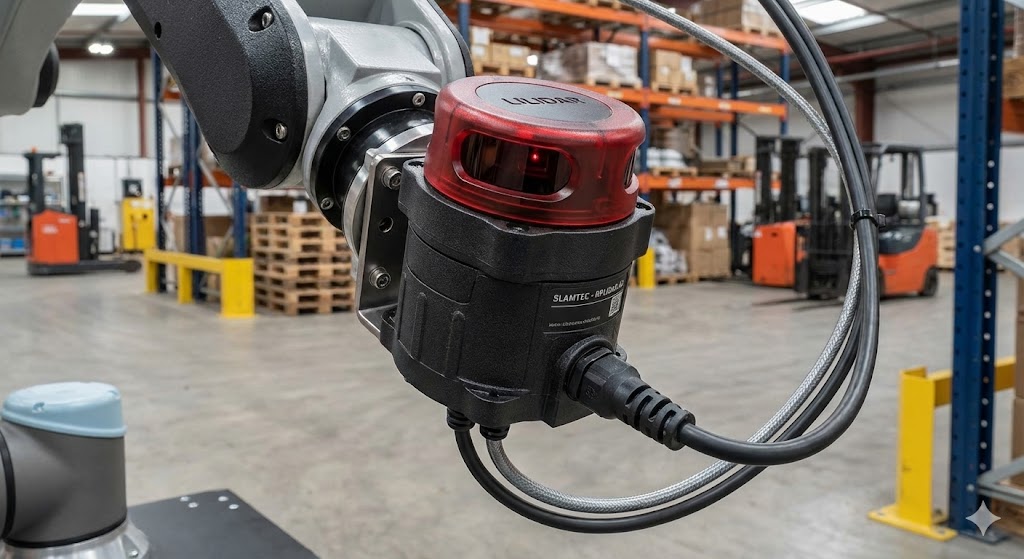
Moreover, laser humidity sensors offer rapid response times, often in the millisecond range, enabling dynamic monitoring of fast-changing processes. This is particularly valuable in applications like industrial drying, combustion control, or atmospheric research, where real-time adjustments are crucial. The non-contact nature of optical measurement also eliminates sensor fouling from dust, oils, or corrosive gases, extending operational lifespan in harsh industrial settings. Modern designs incorporate fiber-optic components or compact laser diodes, allowing for remote sensing capabilities—sensors can be installed in hazardous or hard-to-reach locations while the control unit remains safely accessible.
However, challenges persist in widespread adoption. Laser humidity sensors generally involve higher initial costs compared to conventional counterparts, due to sophisticated components like tunable lasers and high-sensitivity detectors. Additionally, they require careful alignment and may be sensitive to external vibrations, necessitating robust housing and installation protocols. Ongoing research focuses on cost reduction through mass production of laser diodes and integration with IoT platforms for smart factory networks. Innovations in multi-gas detection are also advancing, where a single laser system can simultaneously monitor humidity alongside other parameters like CO2 or methane, enhancing multifunctional utility.

Looking ahead, the convergence of laser sensing with artificial intelligence and machine learning promises further breakthroughs. AI algorithms can analyze complex absorption patterns to compensate for cross-interferences or predict maintenance needs, boosting reliability. As industries increasingly prioritize energy efficiency and environmental compliance, laser humidity sensors are poised to become standard in next-generation automation systems. Their ability to deliver precise, real-time data supports sustainable operations—for example, optimizing HVAC systems in large facilities to reduce energy consumption while maintaining ideal humidity levels. In summary, laser-based humidity sensing represents a pivotal advancement in industrial instrumentation, combining scientific innovation with practical robustness to meet the evolving demands of modern engineering.
