Inductive proximity sensors are a cornerstone of modern industrial automation, offering non-contact detection of metallic objects. As an electrical engineer with over 15 years of experience in sensor integration, I often field the question: "How much does an inductive proximity sensor cost?" The answer is not a single figure but a spectrum, typically ranging from as low as $15 for a basic, standard-duty model to over $200 for a highly specialized, heavy-duty unit. Understanding this price variance is crucial for making an informed procurement decision that balances performance, durability, and budget.
The primary cost driver is the sensor's specification and construction. Key factors include:
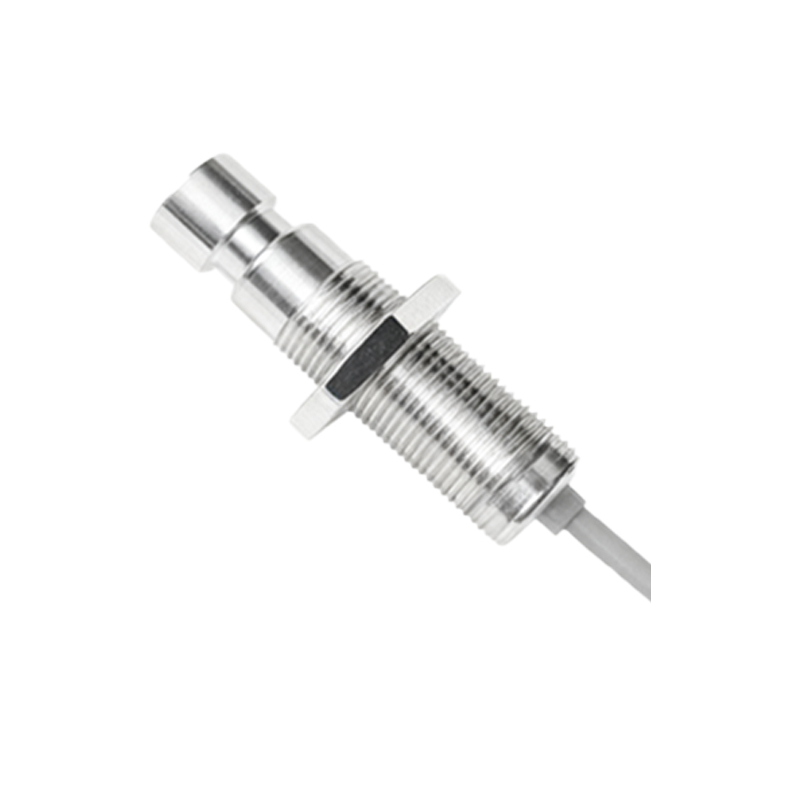
Sensing Range: A standard 5mm range sensor is economical, while units with extended ranges (e.g., 20mm, 40mm) command a higher price due to more complex coil design and signal processing.
Housing Material and Size: Common cylindrical housings (e.g., M8, M12, M18, M30 threads) in nickel-plated brass or stainless steel are cost-effective. Specialty shapes (rectangular, block-style) or exotic materials like PEEK or PVDF for extreme chemical resistance significantly increase cost.
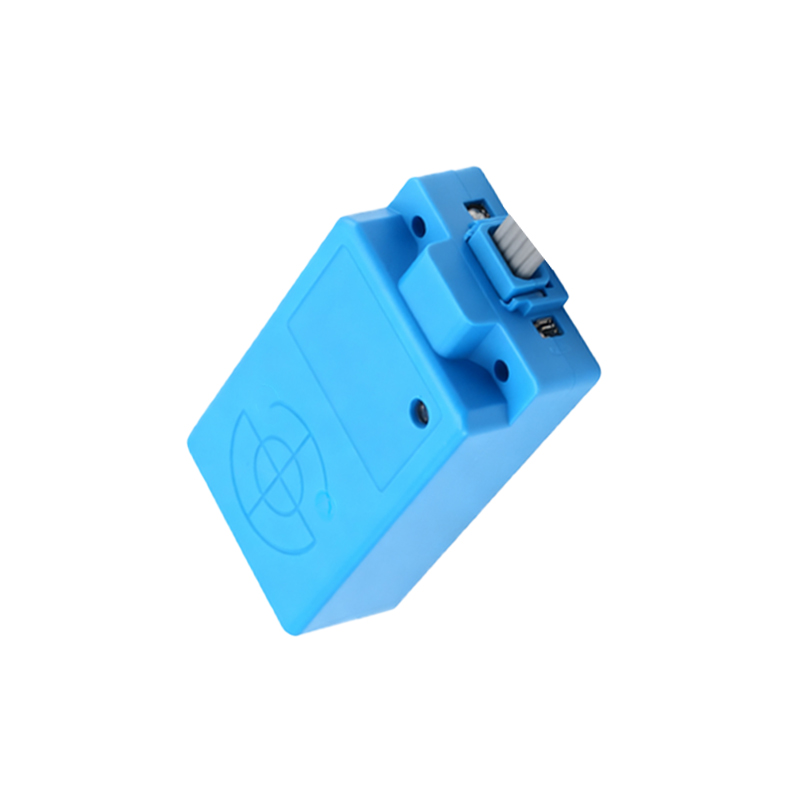
Output Type: Two-wire DC sensors are generally less expensive than three-wire DC (PNP/NPN) or analog/IO-Link variants. Analog and smart sensors with communication capabilities are at the premium end.
Performance Features: Basic sensors have a standard switching frequency. Units designed for high-speed applications (e.g., >1 kHz), those with weld-field immunity (for robotic welding), or enhanced temperature and pressure ratings (for food & beverage or hydraulic systems) carry a price premium.
Protection Rating: An IP67 rating is standard. Sensors certified for higher ingress protection (IP68, IP69K) or specific hazardous location approvals (ATEX, IECEx) involve more rigorous testing and sealing, impacting cost.
Brand and Supply Chain: Established global brands (e.g., Siemens, Omron, Pepperl+Fuchs, Balluff) often price higher due to R&D, quality assurance, and global support. Reliable mid-tier or regional brands can offer comparable performance at a 20-30% lower cost. Lead times and availability also affect final price, especially for custom configurations.
For budget-conscious projects without extreme demands, a standard M18, 8mm range, PNP output sensor from a reputable supplier can be sourced for approximately $25 to $50. This covers most general-purpose machine automation tasks. In contrast, an application requiring a 30mm range, stainless steel housing, IO-Link interface, and IP69K washdown rating for a pharmaceutical packaging line could easily cost $150 to $250 per unit.
Beyond the initial purchase price, Total Cost of Ownership (TCO) is a critical engineering consideration. A cheaper sensor prone to failure in a harsh environment can lead to substantial downtime, production losses, and replacement labor costs. Investing in a more robust, correctly specified sensor often proves more economical long-term. Always consult the datasheet meticulously, matching the sensor's specifications—not just its price tag—to the application's electrical requirements, environmental stresses, mechanical constraints, and required lifecycle.
In summary, while you can find an inductive proximity sensor for under $20, a typical industrial-grade unit for automation falls in the $30-$80 range. High-performance or specialized sensors breach the $100-$250 bracket. The most cost-effective strategy is to precisely define your technical requirements and then evaluate options from several qualified vendors, weighing both initial investment and long-term reliability.